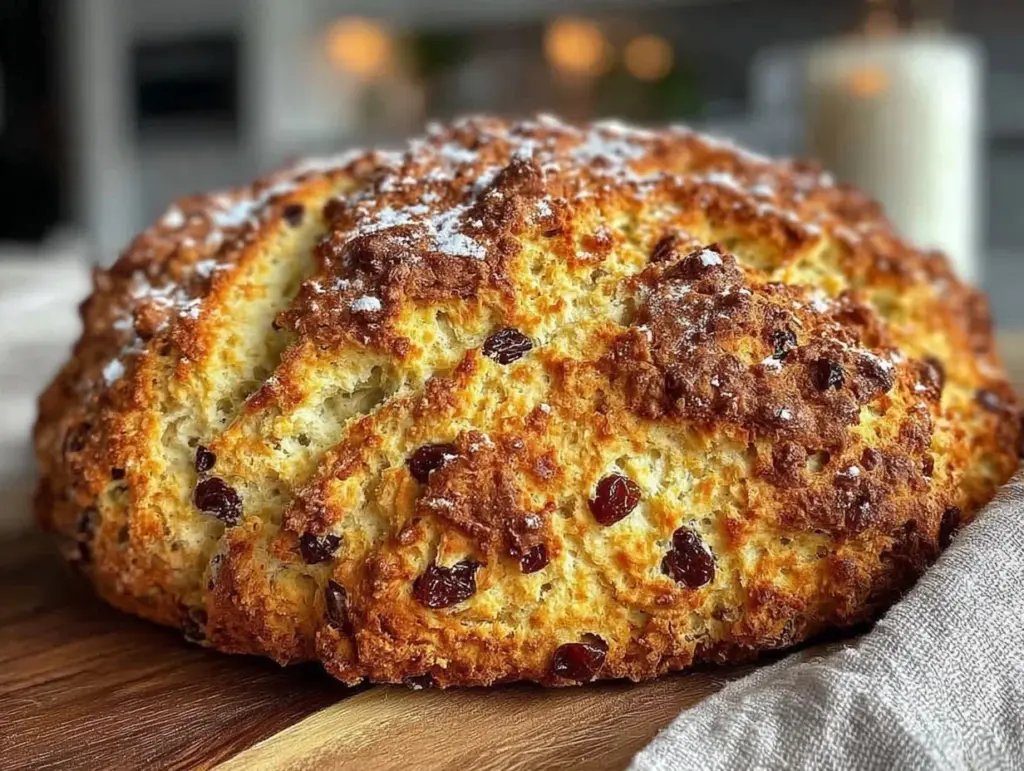
The smell of freshly baked Irish soda bread with raisins and caraway seeds wafting through my kitchen instantly takes me back to cozy Sunday mornings spent with family. Honestly, there’s something about this bread — soft, slightly sweet with a hint of earthiness from the caraway — that feels like a warm hug in bread form. I first stumbled upon this recipe during a chilly March when I was craving something traditional yet simple. After baking it a dozen times (and sharing it with friends who kept asking for more), I knew I had to share my tried-and-true version with you.
This Irish soda bread with raisins and caraway seeds perfectly balances soft crumb and rustic texture without any yeast fuss. If you’ve ever hesitated to make homemade bread, this is your chance to try a recipe that’s forgiving, quick, and downright delicious. Plus, it’s a fantastic way to bring a little Irish cheer to your table any time of year — not just St. Patrick’s Day!
Whether you’re a novice baker or a seasoned pro, this recipe fits seamlessly into busy lifestyles. I’ve tested it multiple times, tweaking the amount of raisins and caraway seeds to get the ideal flavor punch without overpowering the bread’s tender crumb. Trust me, once you try this Irish soda bread, you’ll be hooked on its simple, hearty charm.
Why You’ll Love This Recipe
After countless experiments with various soda bread recipes, this one stands out for a bunch of reasons. Here’s why I keep coming back to it:
- Quick & Easy: No yeast, no rising time — you can mix up the dough and bake it within 45 minutes. Perfect for when you want fresh bread without the wait.
- Simple Ingredients: I bet you have everything in your pantry already — flour, baking soda, buttermilk, raisins, and caraway seeds. No fancy ingredients needed!
- Great for Any Occasion: Whether it’s breakfast with butter and jam, a side for soup, or a snack with cheese, this bread fits right in.
- Crowd-Pleaser: Friends and family love the soft texture paired with the sweet bursts of raisins and the unique flavor of caraway seeds.
- Unbelievably Delicious: The balance of flavors and the tender crumb make it a comforting treat that feels homemade and special.
What sets this apart? Well, I blend the raisins and caraway seeds just right — enough to give you that signature taste but not so much that it overwhelms. The buttermilk adds a subtle tang that makes the bread irresistibly soft and moist. This is not just another soda bread; it’s the perfect mix of tradition and a little twist that keeps everyone asking for seconds.
What Ingredients You Will Need
This recipe uses simple, wholesome ingredients to deliver bold flavor and satisfying texture without the fuss. Most are pantry staples, and a couple add that special Irish touch.
- All-purpose flour (3 cups / 375g) — I prefer unbleached flour for better texture.
- Baking soda (1 teaspoon) — the key leavening agent that makes the bread rise quickly.
- Baking powder (1 teaspoon) — adds a little extra lift and softness.
- Salt (1 teaspoon) — balances flavors and enhances the bread’s taste.
- Granulated sugar (2 tablespoons) — just enough to sweeten the bread gently.
- Caraway seeds (2 tablespoons) — adds a warm, slightly sweet and anise-like flavor (look for fresh seeds for best aroma).
- Raisins (3/4 cup / 110g) — plump and juicy, these bring little pockets of sweetness.
- Buttermilk (1 1/4 cups / 300ml) — the magic ingredient that reacts with baking soda and keeps the bread tender (use full-fat or low-fat depending on preference).
- Unsalted butter (2 tablespoons / 28g), melted — adds richness and moisture.
Substitution tips: If you don’t have buttermilk, mix 1 1/4 cups of milk with 1 tablespoon of lemon juice or vinegar and let it sit for 5 minutes. You can swap raisins for currants, chopped dried apricots, or even dried cranberries for a different fruity twist. For gluten-free options, try a 1:1 gluten-free baking flour blend but note the texture may vary slightly.
Equipment Needed
- Large mixing bowl: For combining dry and wet ingredients easily.
- Measuring cups and spoons: Accuracy is key — especially with baking soda and buttermilk.
- Wooden spoon or silicone spatula: Ideal for folding in raisins and mixing dough without overworking.
- Baking sheet or cast iron skillet: For baking the bread. I personally love a cast iron skillet because it gives a nice crust, but a parchment-lined baking sheet works great too.
- Sharp knife or bread lame: To score the top of the dough before baking.
Don’t worry if you don’t have a cast iron skillet; a simple baking sheet lined with parchment paper works just fine. I’ve baked this bread in both, and while the skillet gives a crisper crust, the difference isn’t huge. For budget-friendly options, measuring spoons from any basic kitchen set will do, just make sure they’re level for best results.
Detailed Preparation Method
- Preheat the oven to 425°F (220°C). Place a rack in the middle. This high heat jump-starts the baking and helps form a golden crust.
- Prepare your baking surface: If using a cast iron skillet, lightly grease it or line a baking sheet with parchment paper.
- Mix dry ingredients: In a large bowl, whisk together 3 cups (375g) all-purpose flour, 1 teaspoon baking soda, 1 teaspoon baking powder, 1 teaspoon salt, and 2 tablespoons sugar. This ensures even distribution so your bread rises nicely.
- Add caraway seeds and raisins: Stir in 2 tablespoons caraway seeds and 3/4 cup (110g) raisins. Tossing them in dry flour first helps prevent them from sinking to the bottom during baking.
- Combine wet ingredients: In a separate bowl, whisk 1 1/4 cups (300ml) buttermilk with 2 tablespoons melted butter until smooth.
- Make the dough: Pour the wet mixture into the dry ingredients. Using a wooden spoon or spatula, gently mix until just combined. The dough should be soft and slightly sticky but not overly wet. Avoid overmixing — this keeps the bread tender.
- Shape the loaf: Turn the dough onto a floured surface and gently pat it into a round loaf about 7 inches (18 cm) in diameter and 2 inches (5 cm) thick. Handle it gently to keep it light.
- Transfer to baking surface: Place the round dough onto your prepared skillet or baking sheet.
- Score the top: Using a sharp knife, cut a deep “X” about 1/2 inch (1.3 cm) deep into the top of the dough. This helps the bread bake evenly and gives it that classic look.
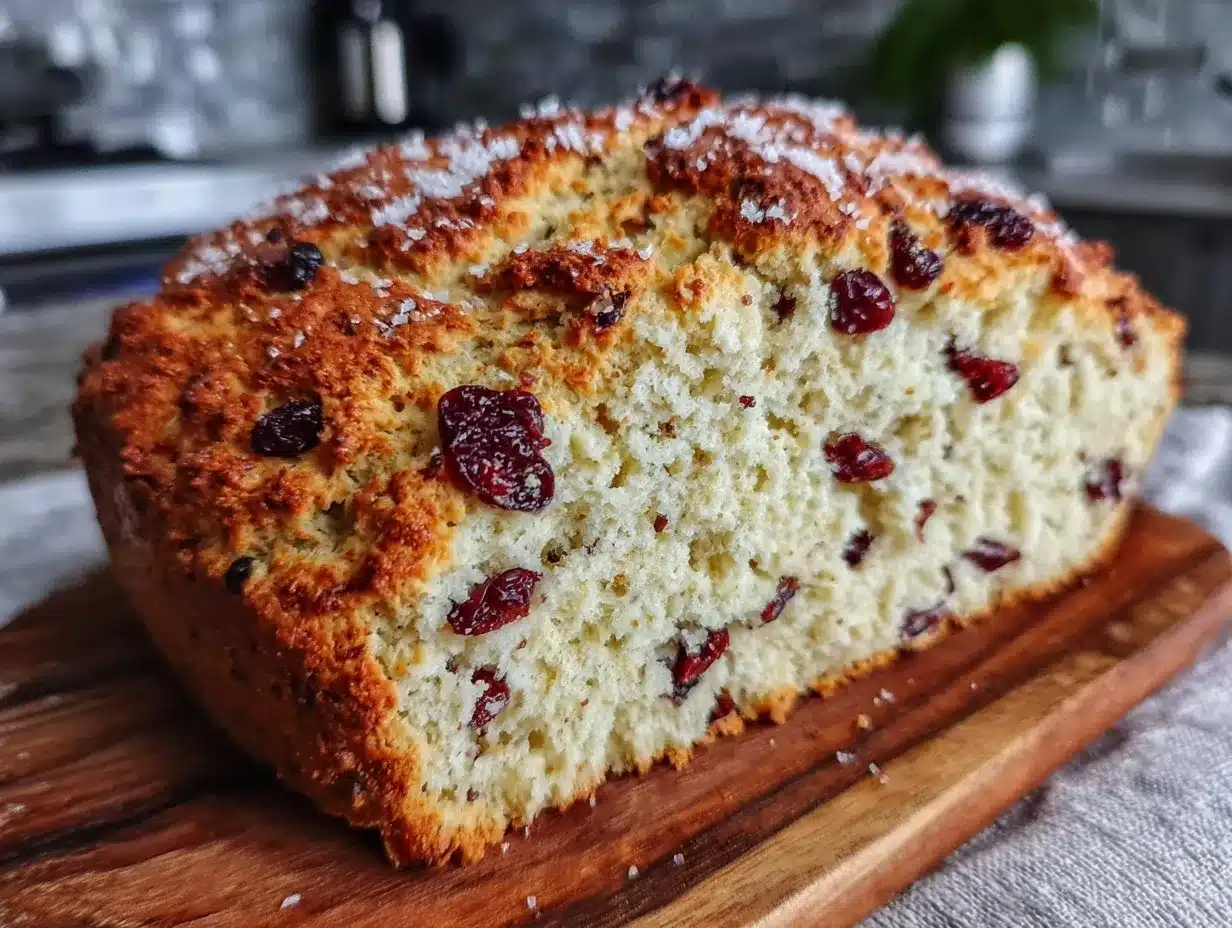
- Bake: Place in the oven and bake for 30-35 minutes. The bread should be golden brown and sound hollow when tapped on the bottom. If you have an instant-read thermometer, it should read about 190°F (88°C) inside.
- Cool: Transfer the bread to a wire rack and let cool for at least 10 minutes before slicing. This rest allows the crumb to set without being gummy.
Pro tip: If the crust browns too fast, tent the bread loosely with foil halfway through baking. Also, don’t be tempted to slice the bread too early — it needs that rest time to finish baking internally.
Cooking Tips & Techniques
Irish soda bread is deceptively simple, but a few tricks can make all the difference. From my many baking sessions, here’s what I’ve learned:
- Don’t overmix: The dough is wetter than typical bread dough. Stir just until ingredients come together to avoid a tough loaf.
- Use fresh baking soda: Old baking soda won’t react properly with buttermilk, leading to dense bread. Test by adding a drop of vinegar — if it fizzes, it’s good.
- Caraway seeds: Toasting the seeds lightly in a dry pan before adding can boost their flavor, but it’s optional.
- Moisture matters: Slight variations in flour or buttermilk can affect dough texture. Add a splash more buttermilk if the dough feels dry or a dusting of flour if too sticky.
- Scoring the dough: The “X” isn’t just decorative. It helps steam escape and the bread to expand evenly, preventing cracks.
- Multitask: While the bread bakes, use the time to prepare a hot cup of tea or set the table — it’s the perfect companion to this bread!
Variations & Adaptations
One of the best things about Irish soda bread is how easy it is to tweak to suit your taste or dietary needs. Here are some fun variations I’ve enjoyed:
- Gluten-free version: Swap the all-purpose flour for a gluten-free blend designed for baking. Add a teaspoon of xanthan gum if your blend doesn’t contain it to help with structure.
- Nutty twist: Add 1/2 cup chopped walnuts or pecans for crunch and earthy flavor. Toast them lightly for extra depth.
- Herb variation: Replace caraway seeds with fresh rosemary or thyme for a savory twist that pairs beautifully with soups.
- Sweet berry loaf: Swap raisins for dried cranberries or fresh blueberries (if using fresh, reduce buttermilk slightly to compensate for moisture).
- Vegan adaptation: Use plant-based buttermilk (such as almond milk with lemon juice) and vegan butter or coconut oil. The texture will be slightly different but still tasty.
Personally, I once tried stirring in some orange zest with the raisins — it added a bright citrus note that made the bread perfect for brunch. Feel free to get creative!
Serving & Storage Suggestions
This Irish soda bread is best served warm or at room temperature. I love slicing it thick and slathering with butter while it’s still slightly warm — the butter melts right in, making each bite heavenly.
It pairs beautifully with hearty soups like potato leek or creamy chowders. For breakfast, try it with a smear of jam or honey. A cup of strong tea or coffee rounds out the experience perfectly.
To store, wrap the bread tightly in plastic wrap or place it in an airtight container. It keeps well at room temperature for 2 days. For longer storage, slice and freeze it in a zip-top bag — toast slices from frozen for a quick snack.
Reheating in a 350°F (175°C) oven for 5-7 minutes refreshes the crust and softens the crumb. Over time, the bread’s flavors deepen, especially the caraway and raisins, making leftovers even more delicious.
Nutritional Information & Benefits
This recipe yields about 10 slices. Each slice contains approximately:
| Calories | 180 |
|---|---|
| Carbohydrates | 35g |
| Protein | 4g |
| Fat | 3g |
| Fiber | 2g |
The buttermilk adds calcium and probiotics, which are great for digestion. Caraway seeds are traditionally known to aid digestion and add antioxidants. Raisins provide natural sweetness along with iron and potassium. This bread is naturally free from yeast and can be adapted for gluten-free or vegan diets, broadening its appeal for many dietary needs.
Conclusion
If you’ve been looking for a homemade bread recipe that’s quick, comforting, and packed with flavor, this Irish soda bread with raisins and caraway seeds won’t disappoint. It’s perfect for beginners and seasoned bakers alike, offering a satisfying balance of soft crumb and rustic charm. I love how it brings a little piece of Irish tradition right to my kitchen, and I hope it will become a staple in yours too.
Feel free to customize the ingredients to your liking, and don’t hesitate to share your own twists or stories with this recipe. If you give it a try, please leave a comment below — I’d love to hear how it turned out for you!
Happy baking, and may your kitchen be filled with the cozy warmth of fresh soda bread!
Frequently Asked Questions About Irish Soda Bread with Raisins and Caraway Seeds
Can I use regular milk instead of buttermilk?
Yes! You can make a quick buttermilk substitute by adding 1 tablespoon of lemon juice or vinegar to 1 1/4 cups of milk. Let it sit for 5 minutes before using.
Why is the bread dense instead of soft?
This usually happens if the baking soda is old or if the dough is overmixed. Make sure your baking soda is fresh and mix the dough just until combined.
Can I omit the raisins or caraway seeds?
Absolutely! You can leave them out or replace raisins with other dried fruits. Caraway seeds can be swapped with herbs or simply omitted for a plainer bread.
How do I store leftover soda bread?
Wrap it tightly in plastic wrap or an airtight container. It keeps well for 2 days at room temperature or can be frozen in slices for up to 3 months.
Is Irish soda bread gluten-free?
Traditional recipes use wheat flour, but you can make gluten-free versions using a gluten-free baking flour blend. Texture might be slightly different but still delicious.
Pin This Recipe!

Irish Soda Bread with Raisins and Caraway Seeds

A quick and easy homemade Irish soda bread featuring soft crumb, sweet raisins, and aromatic caraway seeds, perfect for any occasion.
- Prep Time: 10 minutes
- Cook Time: 35 minutes
- Total Time: 45 minutes
- Yield: 10 slices 1x
- Category: Bread
- Cuisine: Irish
Ingredients
- 3 cups (375g) all-purpose flour
- 1 teaspoon baking soda
- 1 teaspoon baking powder
- 1 teaspoon salt
- 2 tablespoons granulated sugar
- 2 tablespoons caraway seeds
- 3/4 cup (110g) raisins
- 1 1/4 cups (300ml) buttermilk
- 2 tablespoons (28g) unsalted butter, melted
Instructions
- Preheat the oven to 425°F (220°C). Place a rack in the middle.
- Prepare your baking surface: lightly grease a cast iron skillet or line a baking sheet with parchment paper.
- In a large bowl, whisk together flour, baking soda, baking powder, salt, and sugar.
- Stir in caraway seeds and raisins, tossing them in the dry flour to prevent sinking.
- In a separate bowl, whisk buttermilk with melted butter until smooth.
- Pour the wet mixture into the dry ingredients and gently mix with a wooden spoon or spatula until just combined. Avoid overmixing.
- Turn the dough onto a floured surface and pat into a round loaf about 7 inches in diameter and 2 inches thick.
- Place the dough onto the prepared baking surface.
- Score a deep ‘X’ about 1/2 inch deep into the top of the dough with a sharp knife.
- Bake for 30-35 minutes until golden brown and hollow sounding when tapped. Internal temperature should be about 190°F (88°C).
- Cool on a wire rack for at least 10 minutes before slicing.
Notes
Do not overmix the dough to keep the bread tender. Use fresh baking soda for proper rise. Tent with foil if crust browns too fast. Let bread cool before slicing to avoid gummy texture. Buttermilk can be substituted with milk plus lemon juice or vinegar.
Nutrition
- Serving Size: 1 slice
- Calories: 180
- Fat: 3
- Carbohydrates: 35
- Fiber: 2
- Protein: 4
Keywords: Irish soda bread, soda bread, raisins, caraway seeds, homemade bread, quick bread, traditional Irish bread