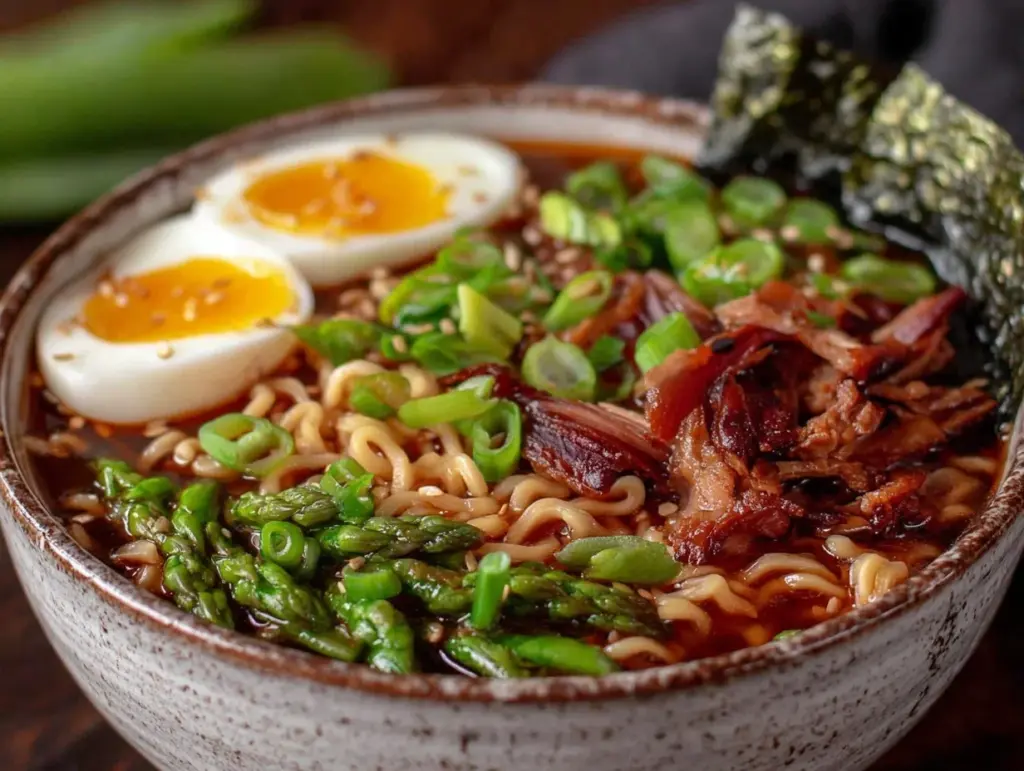
“You really think we’re making ramen from scratch? That sounds like a whole day in the kitchen!” my friend said, eyebrows raised, as I pulled out pots, bones, and vegetables from the fridge. Honestly, I get it. When I first attempted this flavorful easy homemade Japanese ramen from scratch, I was skeptical too—like, who has hours to simmer broth on a weeknight? But then, something unexpected happened. A rainy evening, a stubborn craving, and a kitchen full of the rich, savory aroma of simmering pork bones turned into a quiet little ritual I found myself repeating almost every other week. It wasn’t just soup; it was comfort in a bowl that felt earned and honest.
Truth be told, this recipe started as a spur-of-the-moment challenge after a late-night text from a coworker who swore by ramen joints around town. I figured, why not try making it at home? The first batch was far from perfect—too salty, broth a little cloudy—but the process hooked me. Tweaking broth times, balancing soy and mirin, and finally nailing those tender noodles made me realize homemade ramen isn’t just for pros or weekend warriors. It’s a satisfying, nourishing project you can tailor to your mood and pantry.
Now, I’m not really a baker or a chef, but this bowl of ramen became my go-to reset meal when days felt too noisy. It’s not about fancy tricks but layering flavors patiently and letting the kitchen fill with warmth. Plus, it’s a little pride thing when friends ask for the recipe after tasting the broth’s deep, silky richness. So if you’re ready to roll up your sleeves (but not spend all day), this easy homemade Japanese ramen recipe brings that umami magic straight to your table.
And let’s be honest, once you taste that first spoonful, you might just find yourself making it on repeat too. Because this isn’t just ramen—it’s a quiet moment of joy in a bowl.
Why You’ll Love This Recipe
After cooking this homemade Japanese ramen countless times, I can say it’s one of those recipes that strikes the perfect balance between effort and reward. Here’s why it stands out:
- Quick & Easy: The broth comes together in about 2 to 3 hours, which is surprisingly fast for a from-scratch ramen broth. You can prep ingredients while it simmers, making it manageable even on a busy weekend afternoon.
- Simple Ingredients: No exotic or hard-to-find items here. Most ingredients are pantry staples or easy to find at any grocery store with a decent Asian foods section.
- Perfect for Cozy Nights: Whether it’s a chilly evening or a self-care meal after a long day, this ramen hits the spot with warmth and depth.
- Crowd-Pleaser: I’ve served this to friends who usually order takeout, and every time, I’m asked for the recipe. The balance of savory, sweet, and earthy notes is just right for all ages.
- Unbelievably Delicious: The broth is rich but clean, with a silky mouthfeel that only slow simmering can deliver. Toss in perfectly cooked noodles and toppings, and you’ve got a bowl that feels like a hug.
What makes this recipe unique? Instead of rushing with shortcuts or relying on seasoning packets, it leans on a straightforward but thoughtful simmering technique. I also incorporate a touch of mirin and carefully toasted kombu to deepen the umami without overpowering the broth. The noodles are fresh or store-bought, but I’ve included tips to make them tender yet firm—the way ramen should be.
This recipe isn’t just about feeding hunger; it’s about creating a little moment of calm and satisfaction. Honestly, after the first bite, you’ll understand why this ramen recipe keeps coming back to my kitchen.
What Ingredients You Will Need
This recipe uses simple, wholesome ingredients to build a broth bursting with umami and a satisfying texture without fuss or mystery. Most are pantry staples or easy to source, with a few Asian grocery store finds that make all the difference.
- For the Broth:
- 2 lbs (900 g) pork bones (neck bones or trotters are great for richness)
- 1 large onion, halved (adds sweetness)
- 1 carrot, roughly chopped (for subtle earthiness)
- 4 cloves garlic, smashed (for depth)
- 1-inch piece ginger, sliced thin (fresh zing)
- 1 piece kombu (dried kelp), about 4×4 inches (umami booster)
- 6 cups (1.4 liters) cold water
- For the Seasoning:
- 1/4 cup (60 ml) soy sauce (I like Kikkoman for balanced saltiness)
- 2 tbsp (30 ml) mirin (adds subtle sweetness)
- 1 tbsp (15 ml) sake (optional but recommended for flavor)
- 1 tsp sugar (balances salt and acidity)
- For the Noodles & Toppings:
- Fresh ramen noodles or dried (about 200 g per serving)
- Soft-boiled eggs, marinated if you like
- Chopped green onions
- Thinly sliced chashu pork or grilled chicken (optional)
- Bamboo shoots or corn kernels for crunch
- Nori sheets (roasted seaweed)
If you can’t find kombu, a splash of mushroom soy sauce or a handful of dried shiitake mushrooms can add a similar umami note. For a gluten-free version, swap soy sauce with tamari. Personally, I’ve found that fresh noodles from Asian markets really make a difference in texture, but dried noodles work fine for a quicker option.
Equipment Needed
- Large stockpot (at least 6-quart / 5.7 liters) for simmering the broth
- Strainer or fine mesh sieve to remove solids from the broth
- Medium pot for boiling noodles
- Mixing bowls for marinating eggs or preparing toppings
- Ladle and slotted spoon for serving and handling ingredients
- Sharp knife and cutting board for prepping vegetables and meat
- Optional: a ramen bowl for presentation, but any deep bowl works
When it comes to the stockpot, I’ve used both stainless steel and enameled cast iron. Stainless steel heats more quickly but requires a watchful eye to prevent scorching. Enameled cast iron holds heat evenly and is forgiving if you get busy with prep. If you’re on a budget, a heavy-bottomed large saucepan works just fine. Keeping your knives sharp really speeds up slicing the toppings, which is a small but satisfying step.
Preparation Method
- Prepare the Bones: Rinse the pork bones under cold water, then place them in the stockpot. Cover with cold water (about 6 cups / 1.4 liters). Bring to a rolling boil for 10 minutes to release impurities. Skim off the foam and discard the water. Rinse bones again to remove residue. This step ensures a clear broth.
- Simmer the Broth: Return the cleaned bones to the pot with fresh cold water. Add onion, carrot, garlic, ginger, and kombu. Bring to a gentle simmer over medium-low heat. Avoid boiling hard to keep broth clear. Simmer uncovered for 2 to 3 hours, skimming foam as needed. The broth should develop a milky, rich color and a deep aroma.
- Season the Broth: Remove bones and vegetables by straining broth through a fine mesh sieve. Return clear broth to the pot and add soy sauce, mirin, sake, and sugar. Taste and adjust seasoning—add a pinch of salt if needed or a splash more mirin for sweetness. Keep warm on very low heat.
- Cook the Noodles: Bring a separate pot of water to a rolling boil. Add noodles and cook according to package instructions (usually 2-3 minutes for fresh, 4-5 for dried). Drain and rinse briefly under cold water to stop cooking and remove excess starch.
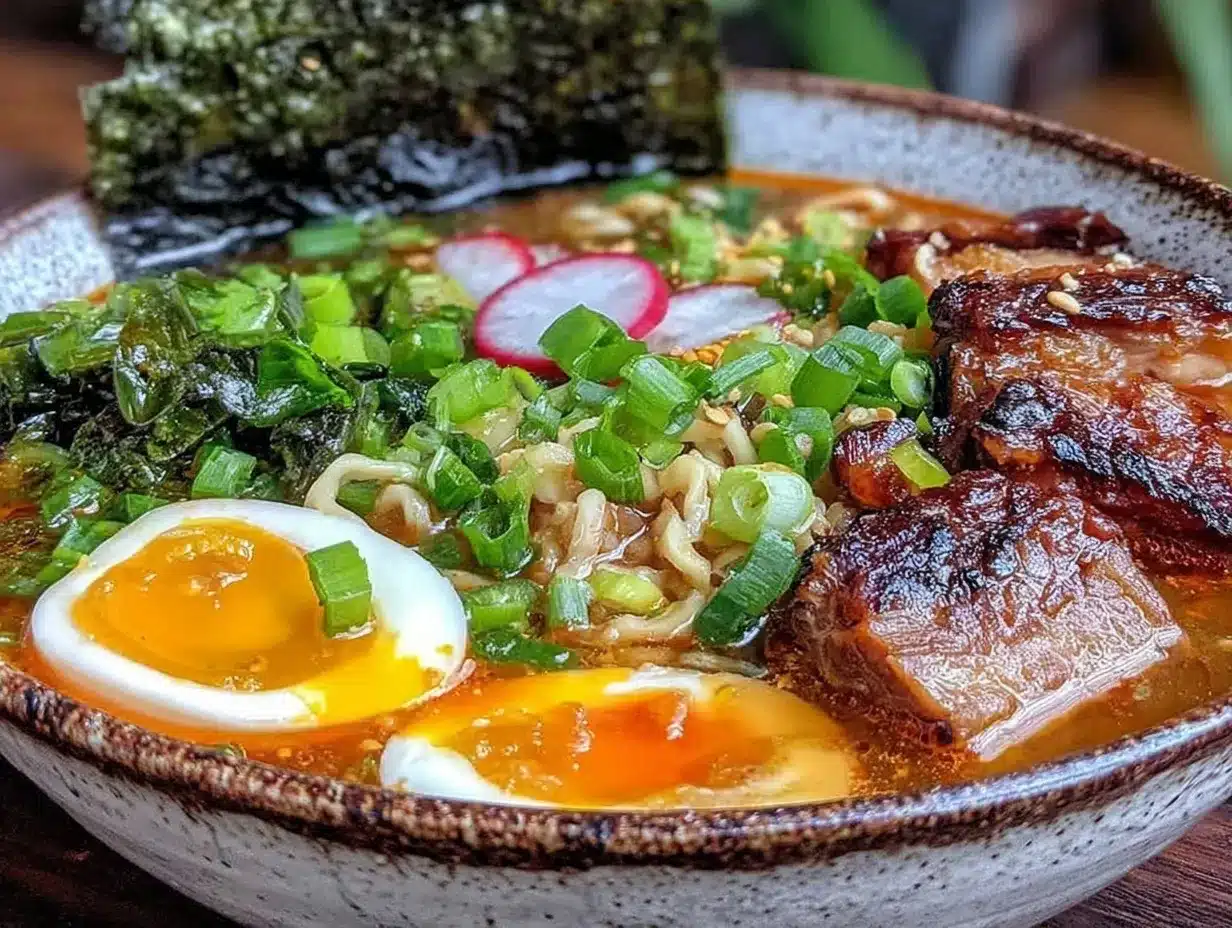
- Assemble and Serve: Divide noodles between bowls. Ladle hot broth over noodles. Top with soft-boiled eggs, sliced pork or chicken, green onions, bamboo shoots, and nori. Serve immediately to enjoy the perfect balance of hot broth and tender noodles.
Quick tip: If you’re making soft-boiled eggs, boil for 6 minutes, then plunge into ice water. Peel carefully for that glorious custardy yolk. If broth tastes too strong, a splash of hot water can mellow it out. Also, stirring the broth gently before serving re-incorporates any settled flavors.
Cooking Tips & Techniques
Getting the broth right is where most cooks stumble, but a few tricks can make it easier. First, always start with cold water and bones—this helps extract collagen slowly, giving the broth that silky mouthfeel. Don’t rush the simmer; a gentle bubble is all you need. Boiling hard just turns broth cloudy and greasy.
Skimming foam frequently is a game-changer. I used to skip it until I noticed the difference in clarity and flavor. Also, removing the kombu before the broth boils prevents bitterness. I learned that from a failed batch that tasted oddly astringent.
Another tip is to toast your kombu and dried mushrooms slightly before simmering to boost umami. When seasoning, add soy sauce gradually and taste often—you can always add more, but it’s tricky to fix an overly salty broth.
For noodles, timing is everything. Overcooked noodles turn mushy fast, which is no fun. Cook them just shy of done, rinse with cold water, then reheat briefly in the hot broth when serving. That keeps them springy.
Lastly, multitasking is your friend. While broth simmers, prep toppings, marinate eggs, or even bake some crispy ham and cheese sticks for a fun side bite. It makes the experience less tedious and more enjoyable.
Variations & Adaptations
This ramen recipe is super adaptable, so feel free to make it your own.
- Vegetarian Version: Swap pork bones for a mix of shiitake mushrooms, kombu, and dried bonito flakes (if you eat fish). Simmer veggies longer for a rich mushroom broth. Add tofu and spinach for toppings.
- Spicy Ramen: Stir in chili oil or sliced fresh chili peppers to the broth. Top with pickled bamboo shoots and a soft-boiled egg to balance the heat.
- Low-Carb Ramen: Use shirataki noodles or spiralized zucchini instead of traditional noodles. The broth and toppings remain the same, so you won’t miss the carbs.
- Chicken Broth Variation: Use chicken carcasses with pork bones or alone for a lighter broth. Simmer with the same aromatics and seasonings.
- Personal Twist: I once added a spoonful of miso paste at the end for a deeper, earthier flavor that my family loved. It’s a quick way to change the flavor profile without extra fuss.
Serving & Storage Suggestions
Serve your ramen hot, right after assembly, to enjoy the noodles’ perfect texture and the broth’s warmth. Presentation matters too—scatter chopped green onions and lay the soft-boiled egg halves gently on top. A side of pickled ginger or kimchi pairs beautifully for a little tang and crunch.
If you have leftovers, store broth separately in an airtight container in the fridge for up to 3 days. Noodles are best cooked fresh but can be refrigerated for a day. Reheat broth gently on the stove—avoid boiling again to keep flavors intact.
When reheating assembled bowls, pour hot broth over cold noodles and toppings to warm without turning noodles mushy. Flavors often deepen after a day, so leftover broth can taste even better the next day. Just add fresh toppings at serving.
Nutritional Information & Benefits
One serving of this homemade Japanese ramen (including broth, noodles, and toppings) roughly contains:
| Nutrient | Amount |
|---|---|
| Calories | 450-550 kcal |
| Protein | 25-30 g |
| Carbohydrates | 50-60 g |
| Fat | 10-15 g |
| Sodium | 700-900 mg (varies with soy sauce) |
The broth is rich in collagen from pork bones, which may support joint and skin health. Ginger and garlic bring anti-inflammatory benefits, while kombu adds iodine and minerals. For gluten-sensitive eaters, swapping noodles for rice or shirataki noodles keeps this dish accessible.
From a wellness perspective, this ramen feels nourishing without being heavy. It’s a balanced meal of proteins, carbs, and healthy fats that also comforts the soul—perfect for those days when you want food that feeds more than just hunger.
Conclusion
This flavorful easy homemade Japanese ramen from scratch recipe shows that making ramen at home isn’t a mysterious art reserved for chefs. With a bit of patience and simple ingredients, you can create a bowl that’s deeply satisfying and truly your own. I love this recipe because it feels like a small celebration in the kitchen—comforting broth, tender noodles, and all the toppings you love, ready to enjoy anytime.
Feel free to tweak the toppings and seasonings to match your cravings or pantry finds. And if you’re curious about other easy homemade dishes that bring big flavor with minimal fuss, you might enjoy the creamy chicken Caesar pasta salad or the crispy pepperoni pizza rolls on this site. Both are great for when you want quick, crowd-pleasing meals without stress.
Give this ramen a try, and share your variations or tips—I always love hearing how others make it their own. Cooking from scratch doesn’t have to be complicated, and sometimes, a bowl of ramen is all you need to turn an ordinary day into a cozy memory.
FAQs about Homemade Japanese Ramen
How long does it take to make ramen broth from scratch?
Simmering the broth typically takes 2 to 3 hours to extract flavor and collagen from the bones. You can prep ingredients while it simmers to save time.
Can I make ramen broth ahead of time?
Yes, the broth stores well in the fridge for up to 3 days or freezes nicely for up to 3 months. Reheat gently before serving.
What noodles work best for homemade ramen?
Fresh ramen noodles are ideal for texture, but dried or instant ramen noodles can be used in a pinch. For gluten-free options, try shirataki or rice noodles.
How do I make soft-boiled eggs for ramen?
Boil eggs for 6 minutes, then plunge into ice water to stop cooking. Peel carefully to keep the yolk creamy and slightly runny.
Is this ramen recipe suitable for vegetarians?
The basic broth uses pork bones, but you can make a vegetarian version by simmering kombu, shiitake mushrooms, and vegetables instead.
Pin This Recipe!
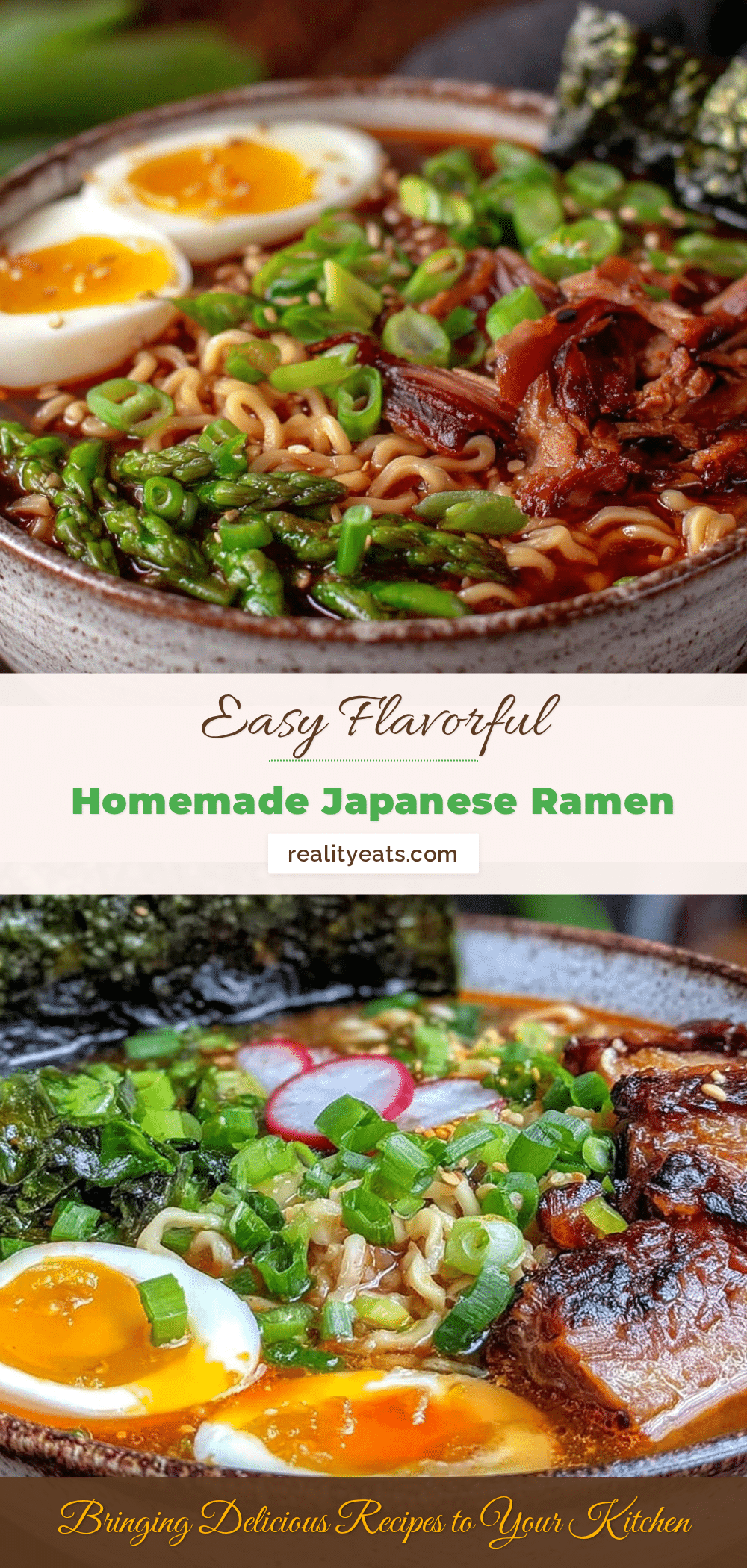
Easy Homemade Japanese Ramen Recipe

A flavorful and easy homemade Japanese ramen recipe with rich broth made from scratch, tender noodles, and customizable toppings. Perfect for cozy nights and satisfying meals.
- Prep Time: 15 minutes
- Cook Time: 2 to 3 hours
- Total Time: 2 hours 15 minutes to 3 hours 15 minutes
- Yield: 4 servings 1x
- Category: Main Course
- Cuisine: Japanese
Ingredients
- 2 lbs pork bones (neck bones or trotters)
- 1 large onion, halved
- 1 carrot, roughly chopped
- 4 cloves garlic, smashed
- 1-inch piece ginger, sliced thin
- 1 piece kombu (dried kelp), about 4×4 inches
- 6 cups cold water
- 1/4 cup soy sauce
- 2 tbsp mirin
- 1 tbsp sake (optional)
- 1 tsp sugar
- Fresh ramen noodles or dried (about 7 oz per serving)
- Soft-boiled eggs, marinated if desired
- Chopped green onions
- Thinly sliced chashu pork or grilled chicken (optional)
- Bamboo shoots or corn kernels
- Nori sheets (roasted seaweed)
Instructions
- Rinse the pork bones under cold water, then place them in the stockpot. Cover with cold water (about 6 cups). Bring to a rolling boil for 10 minutes to release impurities. Skim off the foam and discard the water. Rinse bones again to remove residue.
- Return the cleaned bones to the pot with fresh cold water. Add onion, carrot, garlic, ginger, and kombu. Bring to a gentle simmer over medium-low heat. Avoid boiling hard to keep broth clear. Simmer uncovered for 2 to 3 hours, skimming foam as needed.
- Remove bones and vegetables by straining broth through a fine mesh sieve. Return clear broth to the pot and add soy sauce, mirin, sake, and sugar. Taste and adjust seasoning—add a pinch of salt if needed or a splash more mirin for sweetness. Keep warm on very low heat.
- Bring a separate pot of water to a rolling boil. Add noodles and cook according to package instructions (usually 2-3 minutes for fresh, 4-5 for dried). Drain and rinse briefly under cold water to stop cooking and remove excess starch.
- Divide noodles between bowls. Ladle hot broth over noodles. Top with soft-boiled eggs, sliced pork or chicken, green onions, bamboo shoots, and nori. Serve immediately.
Notes
Start with cold water and bones to extract collagen slowly for a silky broth. Skim foam frequently to keep broth clear. Remove kombu before broth boils to avoid bitterness. Toast kombu and dried mushrooms slightly before simmering to boost umami. Add soy sauce gradually and taste often to avoid oversalting. Cook noodles just shy of done, rinse with cold water, and reheat briefly in broth to keep them springy. Soft-boil eggs by boiling for 6 minutes then plunging into ice water.
Nutrition
- Serving Size: 1 bowl (including br
- Calories: 500
- Sugar: 4
- Sodium: 800
- Fat: 12
- Saturated Fat: 4
- Carbohydrates: 55
- Fiber: 3
- Protein: 28
Keywords: Japanese ramen, homemade ramen, ramen broth, pork bone broth, easy ramen recipe, ramen noodles, umami broth, soft-boiled eggs, chashu pork, Asian soup