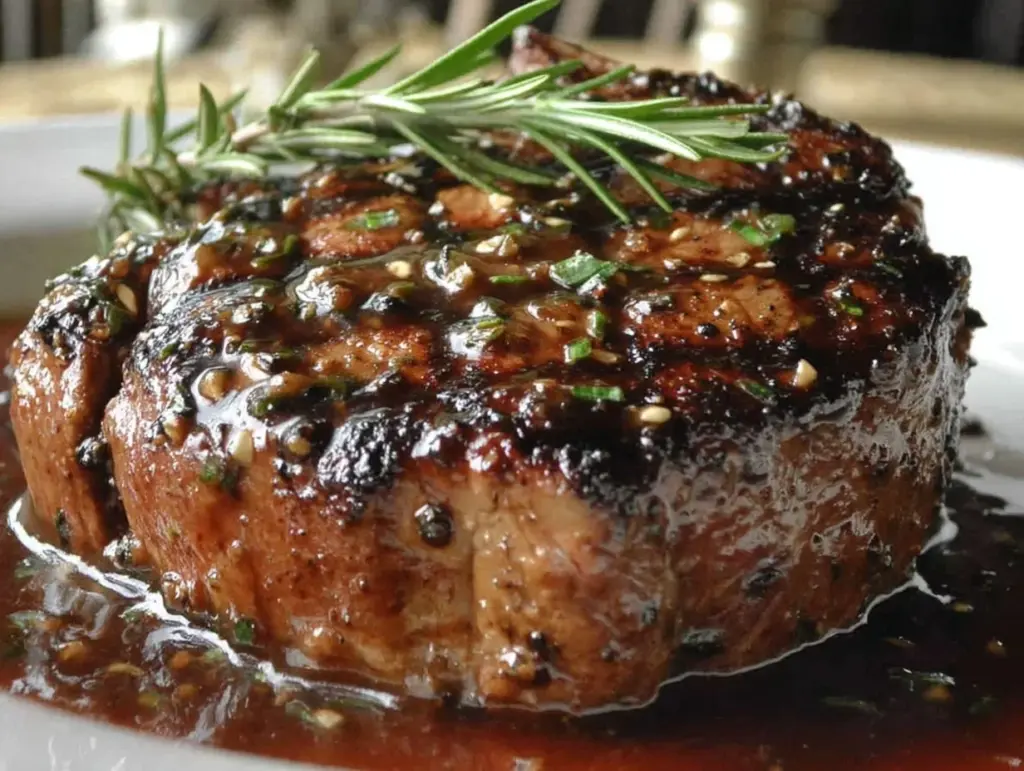
The sizzle of a perfectly seared filet mignon with red wine reduction is one of those kitchen moments that just stops you in your tracks. Honestly, I first tried this recipe on a chilly Friday evening when I wanted something fancy but fuss-free. The tender, melt-in-your-mouth steak paired with that glossy, rich red wine sauce instantly became a go-to for special dinners at home. You know that feeling when a dish tastes like it belongs in a restaurant yet you made it yourself? Yeah, this recipe nails that every time.
Filet mignon, with its buttery texture and mild flavor, is already a star, but adding a red wine reduction takes it all the way to next-level indulgence. I’ve cooked this dish more times than I can count, tweaking the sauce for that perfect balance of sweet, savory, and tangy. Whether you’re impressing guests or treating yourself after a long week, this recipe hits the mark.
What’s great about this filet mignon with red wine reduction is that it’s approachable enough for home cooks yet delivers that wow factor. If you’ve been nervous about cooking steak or making a sauce from scratch, I promise this will boost your confidence. Plus, it’s a beautiful way to savor quality ingredients without hours in the kitchen. Grab your skillet and let’s get started!
Why You’ll Love This Recipe
- Quick & Easy: Ready in under 40 minutes, ideal for weeknight dinners or last-minute romantic meals.
- Simple Ingredients: Uses pantry staples and a few fresh items—no need for specialty shopping.
- Perfect for Celebrations: Ideal for date nights, holidays, or whenever you want that little extra luxury.
- Crowd-Pleaser: Even steak skeptics will ask for seconds thanks to the tender cut and flavorful sauce.
- Unbelievably Delicious: The silky red wine reduction complements the steak’s natural richness perfectly.
What sets this filet mignon with red wine reduction apart is the sauce technique. Instead of a heavy gravy, the wine is simmered down to a glossy, slightly sweet glaze that clings to the meat. I like to finish the sauce with a pat of cold butter—that little trick always brings a silky texture and a touch of richness that feels downright decadent.
This recipe isn’t just about food; it’s about creating a moment. Whether it’s a quiet dinner for two or a festive meal with friends, the dish invites you to slow down and savor each bite. Trust me, after the first taste, you’ll understand why this version has become a household favorite.
What Ingredients You Will Need
This filet mignon with red wine reduction recipe relies on a handful of quality ingredients that work together to create a rich, balanced flavor. Most of these you’ll likely have on hand or can easily find at your local market.
- Filet Mignon Steaks: 4 steaks, about 6 ounces (170g) each, ideally 1.5 to 2 inches thick for perfect searing.
- Salt and Freshly Ground Black Pepper: To season the steaks generously.
- Olive Oil: 2 tablespoons, preferably extra virgin for searing.
- Unsalted Butter: 2 tablespoons, divided (one for cooking, one for finishing the sauce).
- Shallots: 2 small, finely minced (adds a subtle sweetness to the sauce).
- Garlic: 2 cloves, minced.
- Red Wine: 1 cup (240ml), choose a dry, full-bodied wine like Cabernet Sauvignon or Merlot—avoid cooking wines for best flavor.
- Beef Broth: ½ cup (120ml), preferably low sodium to control saltiness.
- Fresh Thyme: 2 sprigs, for aroma and depth.
- Optional: A splash of balsamic vinegar (about 1 teaspoon) to add brightness to the sauce.
I always recommend picking filet mignon that’s well-marbled but still lean, like from a trusted butcher or a reputable brand—this makes a huge difference in tenderness. For the red wine, choose one you’d enjoy drinking; I often use a bold California Cabernet for its rich notes. If you want to skip alcohol, you can substitute with grape juice and a splash of red wine vinegar, but the authentic wine flavor really makes the sauce sing.
Equipment Needed
- Heavy Skillet or Cast Iron Pan: Essential for achieving a great sear on the steak. I prefer cast iron because it holds heat evenly and creates that beautiful crust.
- Tongs: For flipping steaks safely without piercing the meat.
- Small Saucepan or Same Skillet: For making the red wine reduction sauce. Using the same skillet saves washing up and lets you capture those flavorful browned bits.
- Meat Thermometer (Optional): Helpful if you want perfectly cooked steak every time without guessing.
- Fine Mesh Strainer (Optional): For straining shallots and herbs from the sauce if you prefer a smooth finish.
If you don’t have cast iron, a heavy stainless steel pan works well too—just make sure it’s hot enough before searing. For budget-conscious cooks, a non-stick skillet can be used, but you might miss out on some of the caramelized bits that make the sauce extra flavorful. Also, keep your tools clean and dry for the best cooking results.
Detailed Preparation Method
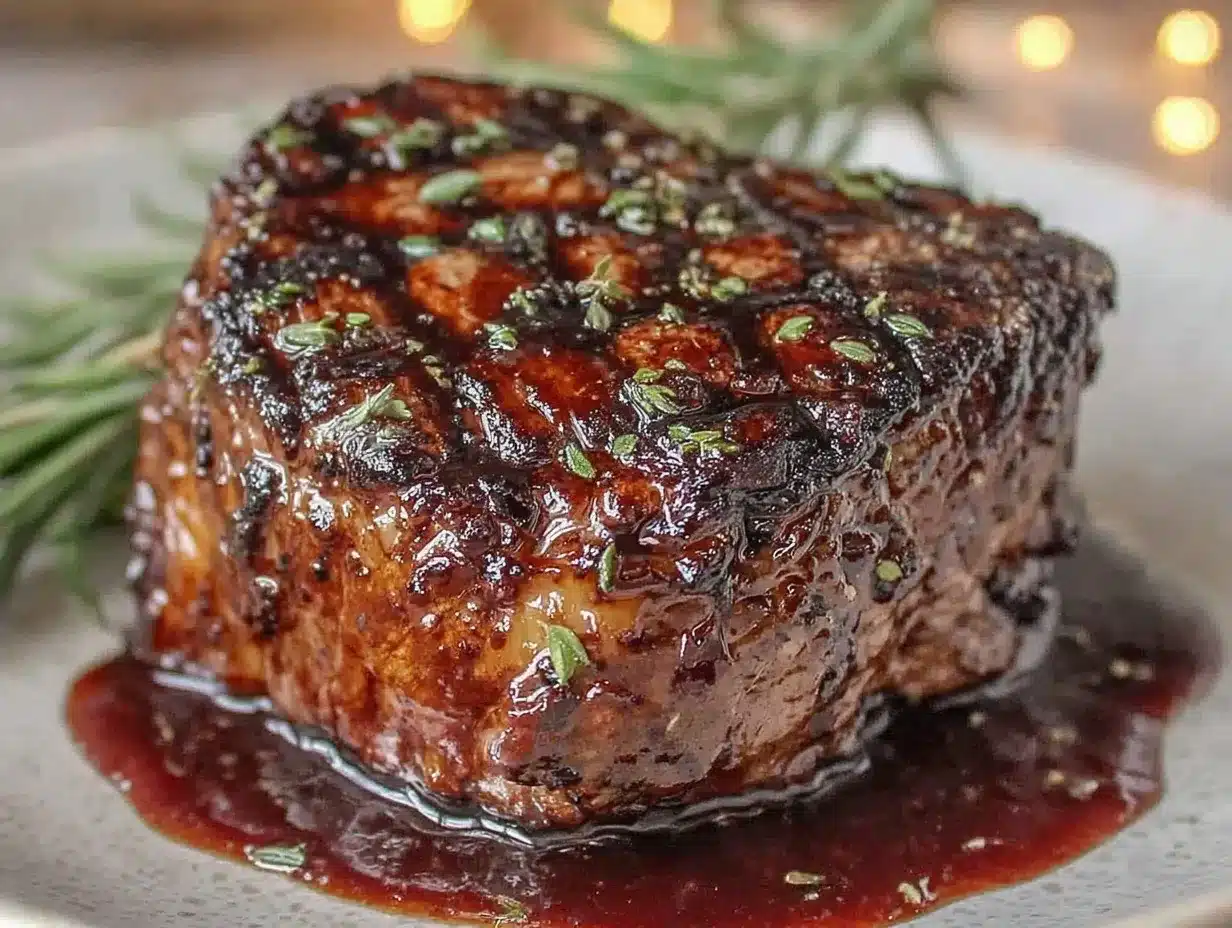
- Prep the Steaks: Remove the filet mignon from the fridge about 30 minutes before cooking to reach room temperature. Pat dry with paper towels. Season generously on all sides with salt and freshly ground black pepper. This step is key for a good crust. (Prep time: 5 minutes)
- Heat the Skillet: Place your cast iron or heavy pan on medium-high heat. Add 1 tablespoon olive oil and 1 tablespoon butter. Wait until the butter is melted and foaming but not browned—this indicates the pan is hot enough. (Heat time: ~3 minutes)
- Sear the Steaks: Carefully place steaks in the pan, leaving space between them. Sear without moving for 3-4 minutes until a deep golden crust forms. Flip and sear the other side for another 3-4 minutes for medium-rare (internal temp about 130°F/54°C). Adjust time for thicker or thinner cuts. (Cooking time: 6-8 minutes)
- Rest the Steaks: Transfer steaks to a warm plate and loosely tent with foil. Resting lets juices redistribute, ensuring a juicy steak. Rest for at least 5-7 minutes before serving.
- Make the Red Wine Reduction: Pour off any excess fat from the skillet, leaving browned bits. Add minced shallots and garlic to the pan, sautéing over medium heat until softened and fragrant, about 2 minutes.
- Deglaze with Red Wine: Pour in 1 cup red wine, scraping bottom of the pan with a wooden spoon to release those flavorful bits. Add beef broth and thyme sprigs. Bring to a simmer, reduce heat to medium-low, and let it cook down until sauce thickens slightly and coats the back of a spoon, about 10-12 minutes.
- Finish the Sauce: Remove thyme sprigs. Stir in remaining 1 tablespoon butter off heat for a glossy finish. Optionally, add a splash of balsamic vinegar for brightness. Taste and season with salt and pepper as needed.
- Plate and Serve: Spoon the luscious red wine reduction over each filet mignon. Garnish with fresh thyme if desired. Serve immediately while everything is still warm and inviting.
Pro tip: If you don’t have a thermometer, press the steak gently with your finger—medium-rare feels like the fleshy part of your hand below the thumb when relaxed. Also, don’t rush the resting step; it’s the secret to juicy steak every time!
Cooking Tips & Techniques
One thing I learned the hard way is that drying your steak before seasoning is absolutely crucial. Moisture is the enemy of a good sear, so patting the meat dry makes a huge difference. Also, don’t crowd the pan—overcrowding traps steam and prevents that beautiful crust.
When making the red wine reduction, low and slow is your friend. Rushing the reduction can lead to a bitter, overly intense sauce. I like to keep an eye on the texture and taste as it simmers, stopping when it’s syrupy but not overly thick.
Another useful trick: finish the sauce with cold butter off the heat. It adds richness and a velvety texture that just feels luxurious. I’ve had times where skipping this step made the sauce feel flat, so don’t skip it!
Timing is key. While the sauce simmers, use that time to rest the steaks. This multitasking ensures everything comes together perfectly warm on the plate. If you’re juggling side dishes, get those started early so you’re not rushing at the last minute.
Lastly, trust your instincts. Steak cooking isn’t an exact science every time. Look for those visual cues—the crust color, the way the meat springs back when pressed—and you’ll get better with each cook.
Variations & Adaptations
- Garlic Herb Butter Filet: Add a dollop of garlic herb butter on top of the steak instead of the red wine sauce for a classic twist.
- Gluten-Free Version: Ensure your beef broth is gluten-free and use a gluten-free red wine. The recipe itself is naturally gluten-free!
- Vegetarian Sauce Alternative: Swap the filet mignon for portobello mushrooms and use vegetable broth instead of beef for a plant-based take with the same red wine reduction.
- Seasonal Twist: In fall, add a splash of fresh cranberry juice or pomegranate molasses to the sauce for a fruitier note.
- My Personal Variation: Sometimes I stir in a teaspoon of Dijon mustard into the sauce at the end—it adds a subtle tang that complements the wine beautifully.
For cooking method changes, grilling the filet mignon works wonderfully too—just reduce the sauce on the stovetop while your steaks rest. The smoky grill flavor pairs perfectly with the rich sauce. If you prefer sous vide, cook the steaks in the water bath first, then sear quickly in a hot pan and add the sauce as usual.
Serving & Storage Suggestions
This filet mignon with red wine reduction is best served hot off the stove, ideally with warm sides like garlic mashed potatoes, roasted asparagus, or a simple green salad. Pour extra sauce over everything—don’t be shy!
If you have leftovers (which doesn’t happen often!), store the steak and sauce separately in airtight containers in the fridge for up to 2 days. Reheat gently in a pan over low heat to avoid drying out the steak. Adding a splash of broth or water to the sauce while reheating helps restore its silky texture.
The flavors of the red wine reduction actually deepen after a day, so if you can wait, the sauce tastes even better the next day. Just bring it back to a gentle simmer before serving.
For presentation, garnish with fresh thyme or cracked black pepper. A rustic wooden board or a simple white plate really makes the steak pop visually.
Nutritional Information & Benefits
Each serving of this filet mignon with red wine reduction provides approximately 350-400 calories, with around 30 grams of protein and moderate fat content, depending on your cut of steak. The dish is naturally low in carbs, making it suitable for low-carb and keto-friendly diets.
Filet mignon is a lean cut, rich in iron, zinc, and B vitamins which support energy and immunity. The red wine reduction contributes antioxidants from the wine and fresh herbs, adding a little nutritional bonus beyond flavor.
Keep in mind, the sauce contains alcohol that mostly cooks off but may not be suitable for all diets. For dairy-free adaptations, substitute butter with a plant-based alternative.
As someone who pays attention to balanced meals, I appreciate that this recipe pairs protein with fresh herbs and minimal added sugars, making it both indulgent and nourishing.
Conclusion
To wrap it up, this filet mignon with red wine reduction recipe is a winner for anyone wanting that restaurant-quality steak without the fuss. It’s straightforward, packed with flavor, and perfect for those moments when you want to treat yourself or impress your guests.
Feel free to tweak the sauce or seasoning to your taste—cooking should always be a bit playful! I love how this recipe brings a touch of elegance to the dinner table while still feeling totally doable.
If you try it, I’d love to hear how it goes or any fun twists you add. Drop a comment below or share your photos! Cooking great food is always more fun when we do it together. So grab your skillet, pour that glass of wine, and enjoy every delicious bite.
FAQs
How do I know when my filet mignon is cooked perfectly?
Use a meat thermometer: 125°F (52°C) for rare, 130°F (54°C) for medium-rare, and 140°F (60°C) for medium. Rest the steak for a few minutes after cooking—it will rise a few degrees while resting.
Can I use a different cut of steak for this recipe?
Absolutely! Ribeye or strip steak works well too, but cooking times may vary due to thickness and fat content. Adjust accordingly and watch for doneness.
What if I don’t have red wine on hand?
You can substitute with grape juice plus a splash of red wine vinegar or a non-alcoholic red wine. Keep in mind, the flavor will be less complex but still tasty.
How can I make the red wine reduction sauce thicker?
Simmer it longer to reduce more liquid or whisk in a small amount of cornstarch slurry (1 teaspoon cornstarch mixed with 1 tablespoon cold water) toward the end, cooking for a minute until thickened.
Can I prepare the sauce ahead of time?
Yes, you can make the sauce a day ahead and gently reheat it before serving. Store it in the fridge in an airtight container and warm it slowly on the stove to keep the texture smooth.
Pin This Recipe!

Filet Mignon with Red Wine Reduction

A tender, melt-in-your-mouth filet mignon paired with a glossy, rich red wine reduction sauce, perfect for special dinners or celebrations.
- Prep Time: 35 minutes
- Cook Time: 20 minutes
- Total Time: 55 minutes
- Yield: 4 servings 1x
- Category: Main Course
- Cuisine: American
Ingredients
- 4 filet mignon steaks, about 6 ounces (170g) each, 1.5 to 2 inches thick
- Salt and freshly ground black pepper, to season
- 2 tablespoons olive oil, preferably extra virgin
- 2 tablespoons unsalted butter, divided
- 2 small shallots, finely minced
- 2 cloves garlic, minced
- 1 cup (240ml) dry red wine (Cabernet Sauvignon or Merlot recommended)
- ½ cup (120ml) beef broth, preferably low sodium
- 2 sprigs fresh thyme
- Optional: 1 teaspoon balsamic vinegar
Instructions
- Remove the filet mignon from the fridge about 30 minutes before cooking to reach room temperature. Pat dry with paper towels. Season generously on all sides with salt and freshly ground black pepper.
- Place a cast iron or heavy skillet on medium-high heat. Add 1 tablespoon olive oil and 1 tablespoon butter. Wait until the butter is melted and foaming but not browned.
- Carefully place steaks in the pan, leaving space between them. Sear without moving for 3-4 minutes until a deep golden crust forms. Flip and sear the other side for another 3-4 minutes for medium-rare (internal temp about 130°F/54°C). Adjust time for thicker or thinner cuts.
- Transfer steaks to a warm plate and loosely tent with foil. Rest for at least 5-7 minutes before serving.
- Pour off any excess fat from the skillet, leaving browned bits. Add minced shallots and garlic to the pan, sautéing over medium heat until softened and fragrant, about 2 minutes.
- Pour in 1 cup red wine, scraping bottom of the pan with a wooden spoon to release flavorful bits. Add beef broth and thyme sprigs. Bring to a simmer, reduce heat to medium-low, and cook until sauce thickens slightly and coats the back of a spoon, about 10-12 minutes.
- Remove thyme sprigs. Stir in remaining 1 tablespoon butter off heat for a glossy finish. Optionally, add a splash of balsamic vinegar. Taste and season with salt and pepper as needed.
- Spoon the red wine reduction over each filet mignon. Garnish with fresh thyme if desired. Serve immediately.
Notes
Pat steaks dry before seasoning for a better sear. Do not overcrowd the pan to avoid steaming. Finish sauce with cold butter off heat for a silky texture. Rest steaks before serving to retain juices. Use a meat thermometer for perfect doneness.
Nutrition
- Serving Size: 1 filet mignon steak
- Calories: 375
- Sugar: 2
- Sodium: 350
- Fat: 25
- Saturated Fat: 12
- Carbohydrates: 5
- Fiber: 0.5
- Protein: 30
Keywords: filet mignon, red wine reduction, steak recipe, easy steak, dinner recipe, special occasion, cast iron steak