The first time I bit into homemade sweet and sour pork, I was instantly hooked. The crispy golden exterior gave way to juicy, tender pork, all coated in a tangy, perfectly balanced sauce that danced on my taste buds. Honestly, nothing beats the smell of the sizzling pork mingling with the vibrant sauce in the kitchen—it’s like a little party for your senses. I’ve been tweaking this recipe for years, aiming to capture that authentic sweet and sour pork magic you’d expect from your favorite Chinese takeout, but with a homemade touch that feels both cozy and impressive.
Sweet and sour pork is one of those dishes that brings people together around the table. It’s comfort food with a zing and a crunch, and it’s surprisingly easy to make at home once you get the hang of the technique. I remember the first time I tried to make it myself; the pork came out soggy, and the sauce was either too sweet or too sour—but after trial and error, I nailed the balance and the crispiness.
This sweet and sour pork recipe is perfect for anyone who loves that classic combo of tangy and crispy, whether you’re cooking for a busy weeknight dinner or a casual weekend feast. Plus, it’s a fantastic way to impress family and friends without spending hours over the stove. From the crunchy pork bites to the vibrant sauce, this dish is a guaranteed crowd-pleaser that feels authentically Chinese but made with love in your own kitchen.
Why You’ll Love This Sweet and Sour Pork Recipe
Having made this sweet and sour pork recipe more times than I can count, I can say with confidence it’s one of the best homemade versions out there. Here’s why you’ll want to add it to your regular rotation:
- Quick & Easy: You’ll have dinner on the table in under 40 minutes—perfect for busy nights when takeout seems tempting.
- Simple Ingredients: No fancy or hard-to-find items here; most are pantry staples or easy-to-spot at your local store.
- Perfect for Any Occasion: Whether it’s a family dinner or a casual get-together, this dish fits right in with its vibrant flavors and crispy texture.
- Crowd-Pleaser: Kids and adults alike rave about the balance of sweet, sour, and that addictive crunch.
- Unbelievably Delicious: The secret lies in the light batter and the sauce’s tangy-sweet punch, which comes together like magic.
What sets this recipe apart? Well, it’s the technique—marinating the pork just right and double-frying for that perfect crisp without greasiness. Plus, the sauce is homemade, so you can tweak the sweetness or tanginess to your liking. It’s not just another sweet and sour pork; it’s the version that makes you pause and savor every bite.
This recipe also feels like a little celebration on a plate. It’s comfort food with personality, a dish that turns simple ingredients into a flavorful, crispy delight that’ll brighten up any mealtime.
What Ingredients You Will Need
To get that authentic crispy delight, this sweet and sour pork recipe uses straightforward, wholesome ingredients that work harmoniously to create bold flavors and satisfying crunch. Most of these ingredients are kitchen staples, and you’ll find them easy to source.
- Pork Tenderloin or Shoulder – cut into bite-sized chunks (lean tenderloin is best for tenderness; shoulder adds juiciness)
- Eggs – 1 large, beaten (helps the batter cling and crisp up)
- Cornstarch – for coating the pork and creating that signature crispy shell
- All-Purpose Flour – combined with cornstarch for the batter’s perfect texture
- Garlic – 2 cloves, minced (adds depth to the sauce)
- Ginger – 1 teaspoon, finely grated (for a little zing)
- Bell Peppers – red and green, chopped into chunks (adds color and crunch)
- Pineapple Chunks – fresh or canned (balances the tang with natural sweetness)
- Rice Vinegar – 3 tablespoons (the sour component)
- Ketchup – 4 tablespoons (provides sweetness and color)
- Soy Sauce – 2 tablespoons (for umami depth)
- Sugar – 2 tablespoons (balances the vinegar’s acidity)
- Water – 1/2 cup (to thin the sauce)
- Sesame Oil – 1 teaspoon (optional for a toasty aroma)
- Vegetable Oil – for frying (choose a high smoke point oil like canola or peanut)
Ingredient Tips: I always recommend picking firm, fresh pork from a trusted butcher for the best texture. For the sauce, I like to use Heinz ketchup for its tang and sweetness, but feel free to experiment with other brands. If you prefer gluten-free, swap all-purpose flour with rice flour or a gluten-free blend. And if you want to skip pineapple, julienned carrots or snap peas work great for crunch.
Equipment Needed
- Wok or Deep Frying Pan: A wok is ideal for even heat distribution and quick frying, but a heavy-bottomed frying pan works just fine.
- Mixing Bowls: For marinating pork and mixing batter.
- Slotted Spoon or Spider Strainer: Helpful for removing pork from hot oil without excess grease.
- Measuring Cups and Spoons: Accurate measurements make a difference, especially for the sauce balance.
- Cooking Thermometer (Optional): To check oil temperature; around 350°F (175°C) is perfect for frying.
- Wire Rack or Paper Towels: For draining fried pork to keep it crispy.
If you don’t have a wok, no worries — a deep skillet or Dutch oven will do the trick. Just be careful with oil splatters and maintain consistent heat. I’ve used everything from a cast iron pan to a non-stick frying pan, and while the results vary slightly, the method stays the same. For budget-friendly frying, a sturdy pot with a heavy base works wonders.
Detailed Preparation Method
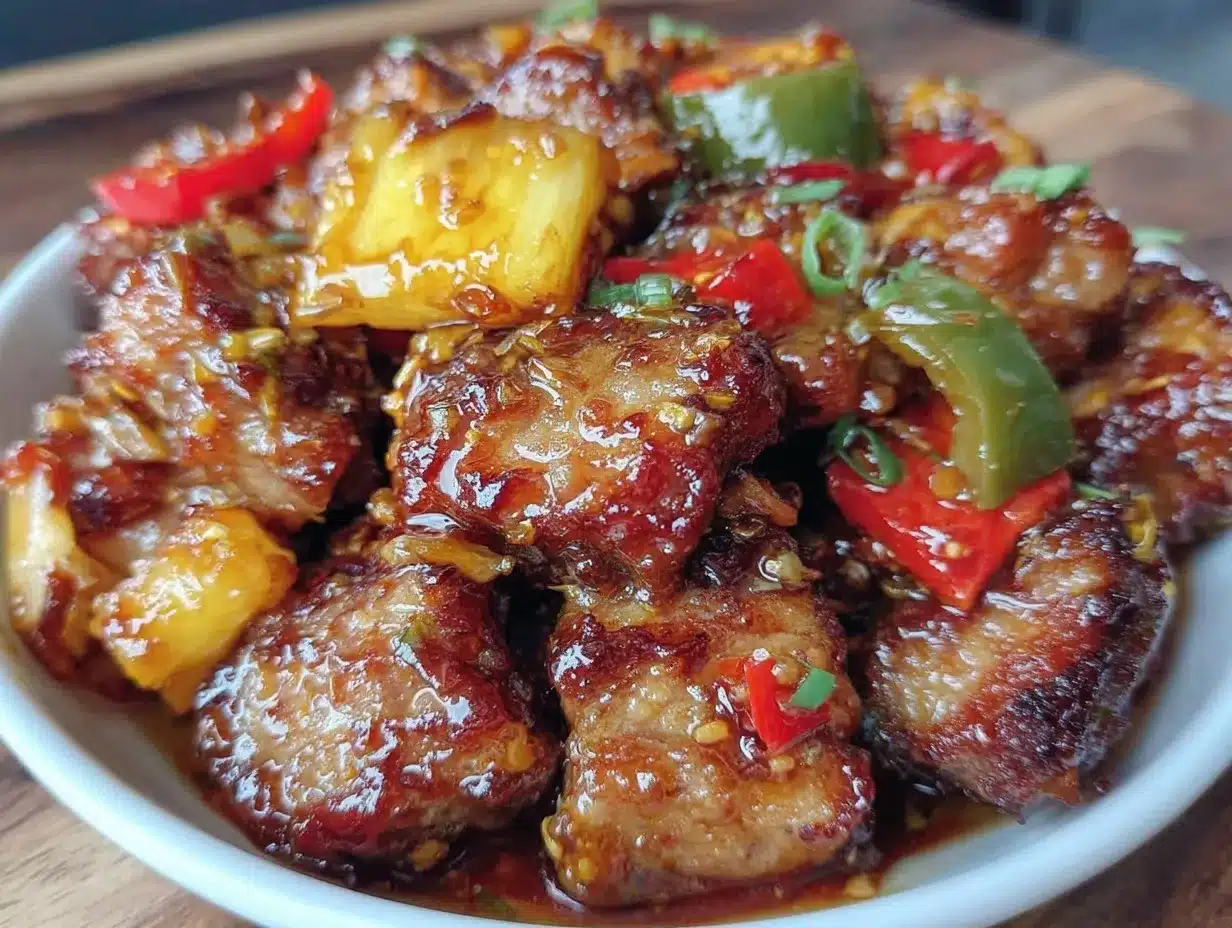
- Prepare the Pork: Cut 1 pound (450 g) pork tenderloin into 1-inch (2.5 cm) chunks. Pat dry with paper towels to remove excess moisture—this helps the batter stick better.
- Marinate: In a bowl, mix the pork with 1 teaspoon soy sauce and a pinch of salt. Let it sit for 10-15 minutes to absorb flavor.
- Make the Batter: In another bowl, combine 1/2 cup (65 g) all-purpose flour, 1/2 cup (65 g) cornstarch, and 1 beaten large egg. Add 1/4 cup (60 ml) cold water and stir until smooth but thick enough to coat the back of a spoon. If too thin, add a touch more flour.
- Coat the Pork: Toss the marinated pork pieces in extra cornstarch to give them a dry coating, then dip each piece into the batter, making sure it’s fully covered.
- Heat Oil: Pour vegetable oil into your wok or deep pan to a depth of about 2 inches (5 cm). Heat to 350°F (175°C). Use a thermometer if you have one; otherwise, test by dropping a small bit of batter—it should sizzle and rise to the top immediately.
- First Fry: Fry pork pieces in batches, avoiding overcrowding. Cook for about 3-4 minutes until pale golden but not fully cooked through. Remove and drain on a wire rack or paper towels.
- Second Fry: After frying all batches, heat oil back to the same temperature. Fry pork again for 1-2 minutes until a deep golden brown and crispy. This double-fry technique locks in crunchiness. Drain again.
- Prepare the Sauce: In a separate pan, heat 1 tablespoon vegetable oil over medium heat. Add 2 cloves minced garlic and 1 teaspoon grated ginger; sauté for 30 seconds until fragrant.
- Mix Sauce: Stir in 3 tablespoons rice vinegar, 4 tablespoons ketchup, 2 tablespoons soy sauce, 2 tablespoons sugar, and 1/2 cup (120 ml) water. Bring to a simmer, stirring until sugar dissolves.
- Thicken: Mix 1 teaspoon cornstarch with 1 tablespoon water to make a slurry. Add to sauce and cook for 1-2 minutes until thickened to your liking. Remove from heat and stir in 1 teaspoon sesame oil if using.
- Combine: Toss the crispy pork with chopped bell peppers (1/2 cup each red and green) and pineapple chunks (1/2 cup) in the sauce. Serve immediately for best texture.
Pro tip: Don’t rush the double-frying step! The first fry cooks the pork through, and the second fry crisps it up without drying it out. Also, keep the sauce warm but not boiling when mixing with pork to avoid sogginess.
Cooking Tips & Techniques
When making sweet and sour pork, getting that crunch without greasiness is key—you know, that satisfying crackle with every bite. Here are some things I’ve learned along the way:
- Dry Your Pork Thoroughly: Moisture is the enemy of crispiness. Pat each piece dry before battering to help the coating stick and fry up golden.
- Double Frying Is a Game-Changer: The first fry cooks the meat, and the second fry crisps the coating. Skipping the second fry often leads to soggy pork.
- Maintain Oil Temperature: Use a thermometer or test with a small batter drop. Too hot? Pork burns outside and stays raw inside. Too cool? Pork absorbs oil and turns greasy.
- Don’t Overcrowd the Pan: Fry in batches to keep oil temperature stable and pork pieces separate for even cooking.
- Adjust Sauce Sweetness and Acidity: Everyone’s palate is different. Taste the sauce before adding pork and tweak sugar or vinegar if needed.
- Use Fresh Veggies: Add bell peppers and pineapple at the end to keep them crisp and colorful, enhancing the overall texture and look.
Honestly, the first few times I made this, I overcooked the pork or ended up with a watery sauce. Patience and attention to these tips helped me nail the perfect balance—give yourself some grace as you practice!
Variations & Adaptations
This sweet and sour pork recipe is wonderfully flexible. Here are some of my favorite twists and adaptations:
- Gluten-Free Option: Swap all-purpose flour with rice flour or a gluten-free blend. Use tamari instead of soy sauce for a gluten-free soy alternative.
- Low-Carb Version: Use almond flour or crushed pork rinds for the batter coating. Replace sugar with a keto-friendly sweetener like erythritol.
- Vegetarian Adaptation: Substitute pork with firm tofu or cauliflower florets. Double-fry the tofu or cauliflower for that crispiness, then toss in the sauce.
- Spicy Sweet and Sour: Add a teaspoon of chili paste or fresh sliced chili to the sauce for a little heat kick.
- Seasonal Veggies: Swap bell peppers with snap peas, carrots, or zucchini depending on what’s fresh and in season.
One time, I tried using chicken breast instead of pork and was pleasantly surprised—the same double-fry method kept it crispy, and the sauce was just as delicious. Feel free to experiment and find your favorite combo!
Serving & Storage Suggestions
Serve your sweet and sour pork hot, straight from the pan, over a bed of steamed jasmine rice or fluffy white rice. The rice soaks up the sauce perfectly, making every bite satisfying. Garnishing with sliced green onions or toasted sesame seeds adds a nice touch and a bit of crunch.
For drinks, a light, chilled jasmine tea or a crisp lager pairs beautifully, balancing the sauce’s tanginess.
If you have leftovers (which I hope you do!), store the pork and sauce separately in airtight containers in the refrigerator. The pork will stay crispy for about 1 day when kept separate, but once mixed, it softens quickly.
Reheat pork in a hot skillet or oven to bring back some of that crisp crunch before mixing with warmed sauce. Microwave reheating tends to make it soggy, so I avoid that when possible.
Flavors actually deepen if you let the sauce sit for a few hours, but for the best texture, toss pork in just before serving.
Nutritional Information & Benefits
A typical serving of this sweet and sour pork (about 1 cup or 250 g) contains roughly:
| Calories | 430 |
|---|---|
| Protein | 28 g |
| Fat | 18 g |
| Carbohydrates | 35 g |
| Fiber | 2 g |
| Sugar | 15 g |
The pork provides a solid protein boost, while the pineapple adds vitamin C and digestive enzymes. Bell peppers contribute antioxidants and fiber. Though there’s sugar in the sauce, you can always dial it back or swap for alternatives if watching sugar intake.
This dish is not gluten-free by default, but easy to adapt. It’s a satisfying, balanced meal that feels indulgent without being overly heavy.
Conclusion
Sweet and sour pork is more than just a takeout favorite—it’s a dish that captures the essence of comfort and flavor in every crispy bite. This recipe brings that authentic taste home, with a foolproof method that anyone can follow, plus the freedom to customize to your liking.
I love how this dish manages to feel special yet simple, perfect for those nights when you want something impressive but don’t want to slave away in the kitchen. It’s become a staple in my kitchen, and I hope it finds a place in yours too.
Go ahead, try this irresistible sweet and sour pork recipe—you might just find a new family favorite. And hey, let me know how it turns out or what tweaks you made. I always love hearing your kitchen stories!
FAQs About Sweet and Sour Pork
How do I get sweet and sour pork crispy?
Double frying is the secret. Fry the pork pieces first until just cooked, then fry again briefly until golden and crunchy. Also, coating pork in a mix of cornstarch and flour helps achieve that crisp texture.
Can I make sweet and sour pork ahead of time?
You can prepare the sauce and marinate pork ahead, but it’s best to fry the pork fresh right before serving to keep it crispy. If needed, fry in advance and reheat in a hot skillet to restore some crunch.
What can I substitute for pork?
Chicken breast, tofu, or even cauliflower work well. Just follow the same double-fry method for best results.
Is sweet and sour pork gluten-free?
Traditional recipes use flour and soy sauce, which contain gluten. To make it gluten-free, use rice flour or a gluten-free blend for batter and tamari or gluten-free soy sauce.
How do I adjust the sauce to my taste?
Taste the sauce before combining with pork. Add more sugar if you prefer sweeter, or more vinegar for extra tang. A splash of pineapple juice also amps up the natural sweetness.
Pin This Recipe!
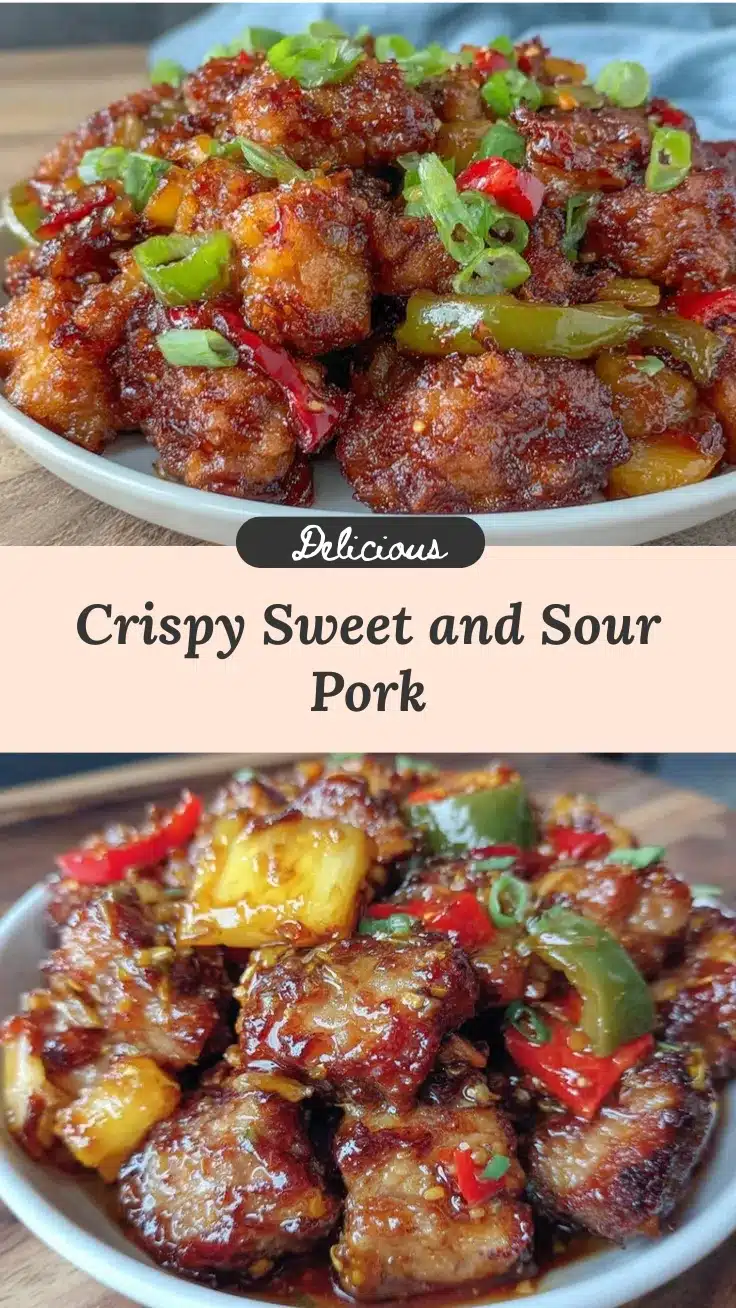
Sweet and Sour Pork Recipe Easy Crispy Authentic Homemade Delight

A homemade version of the classic sweet and sour pork featuring crispy double-fried pork chunks coated in a tangy, perfectly balanced sauce with bell peppers and pineapple.
- Prep Time: 15 minutes
- Cook Time: 20 minutes
- Total Time: 35 minutes
- Yield: 4 servings 1x
- Category: Main Course
- Cuisine: Chinese
Ingredients
- 1 pound pork tenderloin or shoulder, cut into 1-inch chunks
- 1 large egg, beaten
- 1/2 cup all-purpose flour (65 g)
- 1/2 cup cornstarch (65 g), plus extra for coating
- 2 cloves garlic, minced
- 1 teaspoon ginger, finely grated
- 1/2 cup red bell pepper, chopped
- 1/2 cup green bell pepper, chopped
- 1/2 cup pineapple chunks (fresh or canned)
- 3 tablespoons rice vinegar
- 4 tablespoons ketchup
- 2 tablespoons soy sauce
- 2 tablespoons sugar
- 1/2 cup water (120 ml)
- 1 teaspoon sesame oil (optional)
- Vegetable oil for frying (canola or peanut oil recommended)
- 1 teaspoon soy sauce (for marinating)
- Pinch of salt
Instructions
- Cut pork tenderloin into 1-inch chunks and pat dry with paper towels.
- Marinate pork with 1 teaspoon soy sauce and a pinch of salt for 10-15 minutes.
- In a bowl, combine all-purpose flour, cornstarch, beaten egg, and 1/4 cup cold water; stir until smooth and thick enough to coat a spoon.
- Toss marinated pork pieces in extra cornstarch to coat dry, then dip each piece into the batter until fully covered.
- Heat vegetable oil in a wok or deep pan to 2 inches depth and heat to 350°F (175°C).
- Fry pork pieces in batches for 3-4 minutes until pale golden but not fully cooked. Drain on wire rack or paper towels.
- Heat oil again to 350°F and fry pork a second time for 1-2 minutes until deep golden brown and crispy. Drain again.
- In a separate pan, heat 1 tablespoon vegetable oil over medium heat. Sauté garlic and ginger for 30 seconds until fragrant.
- Add rice vinegar, ketchup, soy sauce, sugar, and water; bring to a simmer, stirring until sugar dissolves.
- Mix cornstarch with water to make slurry; add to sauce and cook 1-2 minutes until thickened. Remove from heat and stir in sesame oil if using.
- Toss crispy pork with bell peppers and pineapple chunks in the sauce. Serve immediately.
Notes
Double frying is essential for crispy pork without greasiness. Pat pork dry before battering. Maintain oil temperature around 350°F. Adjust sauce sweetness and acidity to taste. Serve immediately for best texture. Store pork and sauce separately to keep pork crispy.
Nutrition
- Serving Size: 1 cup (about 250 g)
- Calories: 430
- Sugar: 15
- Fat: 18
- Carbohydrates: 35
- Fiber: 2
- Protein: 28
Keywords: sweet and sour pork, crispy pork, homemade Chinese recipe, double-fried pork, sweet and sour sauce, easy dinner, authentic Chinese