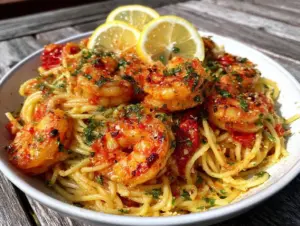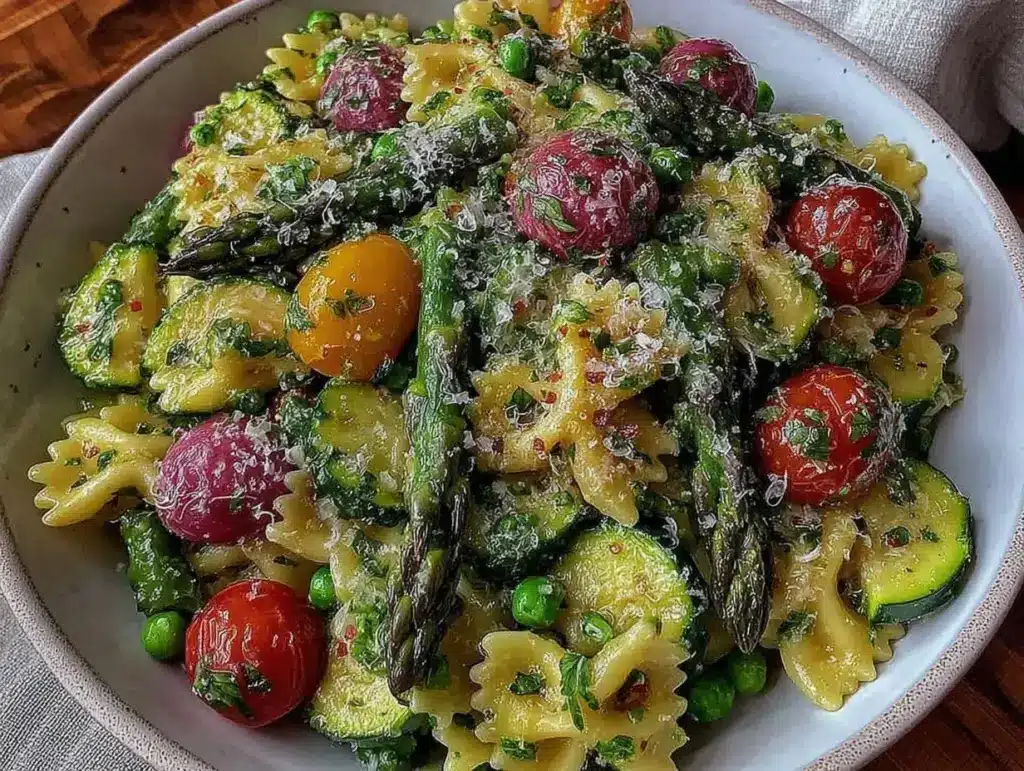
The first time I tossed together this vibrant spring vegetable pasta primavera, I was blown away by how fresh and lively a simple pasta dish could taste. The smell of sautéed garlic mingling with tender asparagus and sweet peas instantly brought a smile to my face. Honestly, pasta primavera isn’t just any pasta—it’s a celebration of spring’s best produce right on your plate.
I stumbled upon this recipe during a weekend when I wanted something light yet satisfying, and it quickly became a go-to in my kitchen. What I love about this vibrant spring vegetable pasta primavera is how it captures the season’s essence with colorful veggies and bright flavors, making it perfect for anyone craving a wholesome, homemade meal. Plus, it’s a fantastic way to sneak in a rainbow of vegetables without any fuss.
After making this recipe countless times, tweaking the veggie mix and seasoning to get that perfect balance, I’m excited to share it with you. Whether you’re cooking for family, friends, or just treating yourself to a fresh, comforting dinner, this pasta primavera recipe is easy, adaptable, and utterly delicious. Trust me, once you try it, you’ll want to keep it in your regular rotation.
Why You’ll Love This Recipe
- Quick & Easy: Ready in about 30 minutes, making it ideal for busy weeknights or last-minute gatherings.
- Simple Ingredients: Uses everyday pantry staples and fresh spring vegetables you can find at any local market.
- Perfect for Spring & Beyond: Showcases the best of the season’s produce but works with substitutions year-round.
- Crowd-Pleaser: Kids and adults alike rave about the bright flavors and satisfying textures.
- Unbelievably Delicious: The combo of tender pasta, crisp veggies, and a light garlic-lemon sauce hits just the right spot.
This isn’t your average pasta primavera. The trick is in lightly sautéing the vegetables just enough to keep their crunch and color, then finishing with fresh herbs and a squeeze of lemon juice to bring everything alive. I also like to toss in a little Parmesan for richness without weighing it down. It’s a fresh, healthy, and satisfying dish that somehow feels like a treat.
This recipe always makes me close my eyes after that first bite, savoring the freshness and balance. It’s the kind of meal you can whip up quickly but still impress guests with. Honestly, it’s become my secret weapon for effortless, memorable dinners.
What Ingredients You Will Need
This vibrant spring vegetable pasta primavera recipe calls for fresh, wholesome ingredients that work together to create a colorful and tasty dish. Most are pantry staples or easy picks from the farmers market.
- Pasta: 12 ounces (340 grams) of your favorite pasta like penne, farfalle, or fusilli (I prefer Barilla penne for its bite).
- Olive Oil: 3 tablespoons extra virgin olive oil (adds richness and helps sauté the veggies).
- Garlic: 3 cloves, minced (for that punch of flavor).
- Asparagus: 1 bunch (about 1 pound/450 grams), trimmed and cut into 2-inch pieces (springtime star of the show).
- Sugar Snap Peas: 1 cup (about 100 grams), trimmed (adds sweetness and crunch).
- Cherry Tomatoes: 1 cup (about 150 grams), halved (for bursts of juiciness).
- Baby Spinach: 2 cups (about 60 grams), fresh (for added greenery and nutrition).
- Lemon: Zest and juice of one lemon (brightens the whole dish).
- Fresh Herbs: 2 tablespoons chopped fresh basil and/or parsley (for a fresh herbal note).
- Parmesan Cheese: ½ cup (50 grams), grated (optional but highly recommended for depth).
- Salt & Pepper: To taste (season well to bring out all the flavors).
For substitutions, you can swap asparagus with green beans or zucchini if you’re not able to find fresh asparagus. Frozen peas work fine if sugar snap peas aren’t available. For a gluten-free option, brown rice pasta or chickpea pasta are great alternatives and still absorb the flavors well.
When selecting asparagus, look for firm stalks with tightly closed tips for the best texture. And don’t skip the lemon zest—it’s a small step that makes a big difference in flavor brightness.
Equipment Needed
- Large pot for boiling pasta (a 6-quart or larger pot works best to avoid sticking).
- Large skillet or sauté pan (a 12-inch non-stick pan is my go-to for tossing vegetables evenly).
- Colander or fine mesh strainer (to drain the pasta).
- Microplane or fine grater (for zesting the lemon).
- Chef’s knife and cutting board (sharp knives make chopping the veggies faster and safer).
- Wooden spoon or silicone spatula (great for stirring without scratching pans).
If you don’t have a microplane, a regular grater’s fine side works fine for lemon zest. For sautéing, a stainless steel pan heats evenly, but a heavy-bottomed non-stick skillet helps prevent veggies from sticking, especially if you’re new to cooking. I personally prefer a non-stick pan—it saves time on cleanup, and the vegetables release beautifully.
When working with fresh herbs, a small herb chopper or kitchen scissors can speed up the process. But a sharp knife and steady hand work just as well if you’re in a pinch.
Detailed Preparation Method
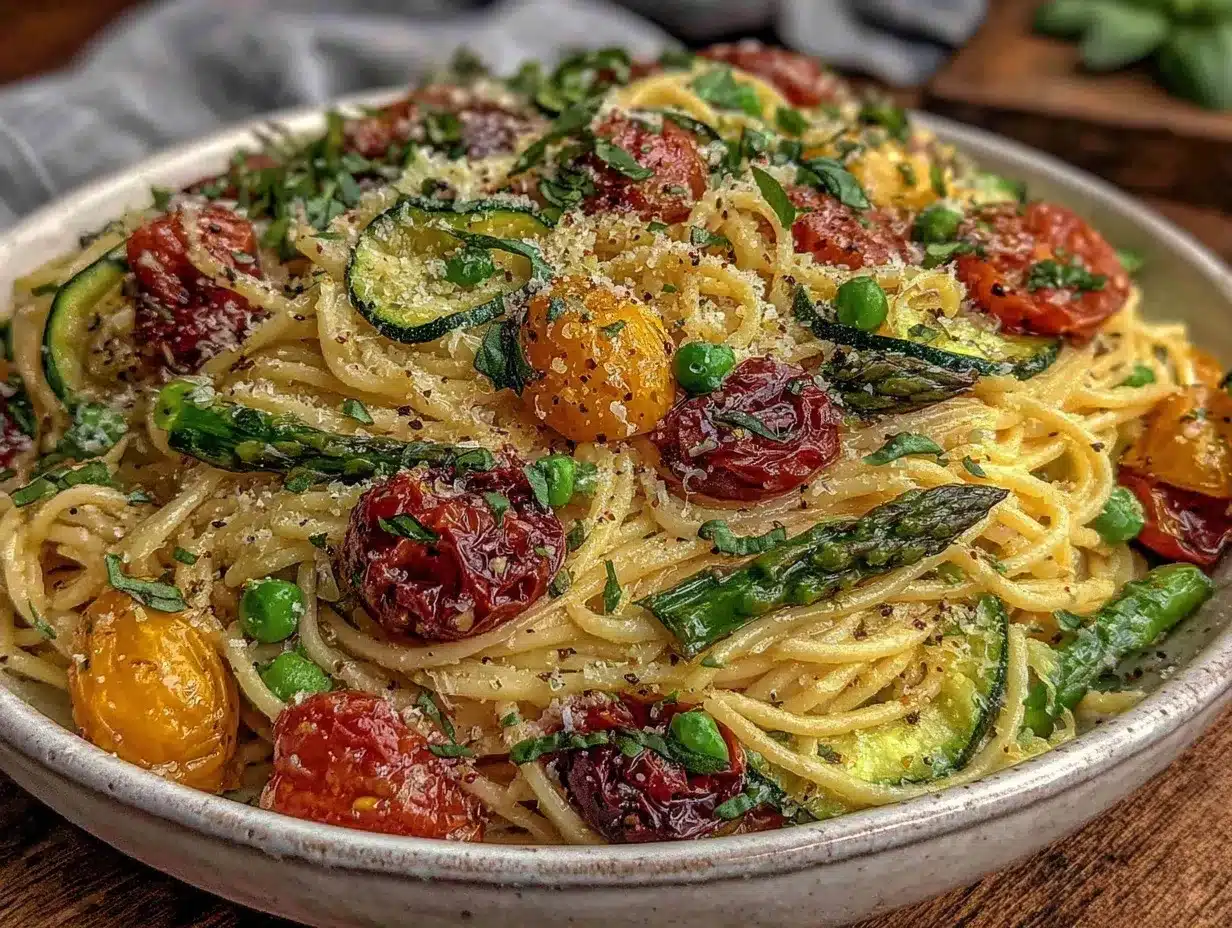
- Cook the pasta: Bring a large pot of salted water to a boil. Add 12 ounces (340 grams) of pasta and cook according to package instructions until al dente, usually about 9-11 minutes. Reserve ½ cup (120 ml) of pasta water before draining. (This starchy water will help create a silky sauce.) Drain the pasta and set aside.
- Prep the vegetables: While pasta cooks, trim and cut 1 bunch (about 1 pound/450 grams) of asparagus into 2-inch pieces. Trim 1 cup (100 grams) sugar snap peas. Halve 1 cup (150 grams) cherry tomatoes. Rinse 2 cups (60 grams) baby spinach and roughly chop fresh herbs (about 2 tablespoons).
- Sauté garlic and vegetables: Heat 3 tablespoons extra virgin olive oil over medium heat in a large skillet. Add 3 cloves minced garlic and cook until fragrant, about 30 seconds (don’t let it brown or it’ll taste bitter). Add asparagus and sugar snap peas, sauté for 3-4 minutes until bright green and tender-crisp. Toss in cherry tomatoes and cook an additional 2 minutes until they start to soften.
- Combine pasta and vegetables: Add drained pasta to the skillet with veggies. Toss gently to combine. Add baby spinach and stir until just wilted, about 1 minute. If the mixture seems dry, add reserved pasta water a tablespoon at a time to loosen things up and create a light sauce.
- Finish with lemon and herbs: Remove skillet from heat. Zest and squeeze juice of 1 lemon over the pasta. Add chopped fresh basil and/or parsley. Season generously with salt and freshly ground black pepper. Toss everything until well mixed and vibrant.
- Add cheese and serve: Sprinkle ½ cup (50 grams) grated Parmesan cheese over the pasta and toss gently one last time. Serve immediately while warm, garnished with extra herbs or a drizzle of olive oil if desired.
Quick tip: If your pasta cools down before serving, gently rewarm in the skillet over low heat, adding a splash more pasta water to keep it moist. Avoid overheating or the spinach will get mushy.
Watching the colors pop in this dish as you toss it together is genuinely satisfying—and the aroma? Let’s just say it’s the kind of smell that makes you want to grab a fork right away.
Cooking Tips & Techniques
- Don’t overcook the vegetables: The key to vibrant pasta primavera is crisp-tender veggies with plenty of color. Cook asparagus and peas until just bright and tender, not mushy.
- Reserve pasta water: The starchy pasta water is magic for loosening the sauce and helping it cling to pasta and veggies for a silky texture.
- Use fresh lemon zest and juice: Adding lemon at the end preserves its bright flavor. Avoid cooking lemon juice or it turns bitter.
- Season well: Salt and pepper bring out the natural sweetness of the vegetables. Taste as you go to avoid under-seasoning.
- Multitask smartly: Chop veggies while pasta boils to save time. Keep garlic ready to go so it sautés quickly without burning.
- Adjust heat carefully: Medium heat is perfect for sautéing veggies without them drying out or getting browned.
- Cheese as finishing touch: Toss Parmesan off the heat to keep it from clumping or melting too much into the sauce.
I once rushed the veggie sauté and ended up with dull, soggy asparagus—lesson learned! Taking a bit of extra care here makes all the difference.
Variations & Adaptations
- Protein boost: Add grilled chicken, shrimp, or chickpeas for a heartier meal. Toss them in right before serving.
- Seasonal swaps: In summer, swap asparagus for zucchini ribbons or fresh green beans. In fall, roasted butternut squash works surprisingly well.
- Dairy-free option: Skip the Parmesan or use a vegan cheese alternative for those avoiding dairy. Nutritional yeast also adds a cheesy note.
- Gluten-free pasta: Use brown rice or chickpea pasta to keep it gluten-free without sacrificing texture.
- Spicy twist: Add a pinch of red pepper flakes when sautéing garlic for a subtle heat kick.
One time, I tried swapping peas for edamame and tossed in a handful of toasted pine nuts—unexpected but delicious! Feel free to get creative based on what’s fresh or what you have on hand.
Serving & Storage Suggestions
Serve this pasta primavera warm for the best texture and flavor. It pairs beautifully with a crisp white wine like Sauvignon Blanc or a light sparkling water with lemon.
For a complete meal, add a simple green salad or crusty bread to soak up any leftover sauce. Garnish with extra fresh herbs or a sprinkle of Parmesan just before serving for a pretty presentation.
Leftovers keep well refrigerated in an airtight container for up to 3 days. To reheat, warm gently in a skillet over low heat with a splash of water or olive oil to revive the sauce and veggies. Avoid microwaving too long or the pasta can get mushy.
Flavors actually deepen after a day in the fridge, making it an excellent make-ahead dish for lunch or quick dinners. Just remember to add fresh lemon juice after reheating to brighten it back up.
Nutritional Information & Benefits
This vibrant spring vegetable pasta primavera is a nourishing, balanced meal packed with fiber, vitamins, and minerals. A typical serving (about 1½ cups) provides roughly:
| Calories | 350-400 kcal |
|---|---|
| Protein | 12-15 grams (depending on pasta and cheese) |
| Carbohydrates | 50-55 grams |
| Fat | 10-12 grams (mostly from olive oil and cheese) |
| Fiber | 6-8 grams |
The fresh vegetables provide antioxidants, vitamin C, and potassium, supporting immune health and digestion. Olive oil delivers heart-healthy monounsaturated fats. Using whole-grain or legume-based pasta can boost fiber and protein further.
For those on gluten-free or dairy-free diets, simple substitutions keep this recipe accessible without losing its charm or nutrition. As someone who values wholesome meals, this pasta primavera strikes a great balance between indulgence and wellness.
Conclusion
This vibrant spring vegetable pasta primavera recipe is a keeper—fresh, flavorful, and surprisingly easy to make. It’s the kind of dish that feels special but doesn’t demand hours in the kitchen. Whether you’re feeding a family or cooking for one, it’s flexible enough to suit your tastes and whatever veggies you have on hand.
Personally, I love how this recipe brings a bit of sunshine to any day. It reminds me that simple ingredients, treated with care, can create something truly satisfying. Give it a try, tweak it your way, and make it your own!
If you make this pasta primavera, I’d love to hear how you customize it or any tips you discover. Drop a comment below, share your photos, or pass it on to friends who need a fresh, tasty dinner idea. Happy cooking!
FAQs
Can I use frozen vegetables instead of fresh for this pasta primavera?
Yes! Frozen peas or asparagus work fine—just thaw and pat dry before sautéing to avoid excess moisture.
What pasta shape works best for primavera?
Short, sturdy shapes like penne, farfalle, or fusilli hold the sauce and veggies well, but feel free to use your favorite!
How can I make this recipe vegan?
Skip the Parmesan or substitute with vegan cheese or nutritional yeast. Use olive oil and plenty of fresh herbs for flavor.
Can I prepare this dish ahead of time?
You can prep veggies and cook pasta ahead, but toss everything together just before serving for the best texture and freshness.
Is this recipe suitable for meal prep?
Absolutely! It keeps well refrigerated for a few days and reheats nicely with a splash of water or olive oil to revive the sauce.
Pin This Recipe!
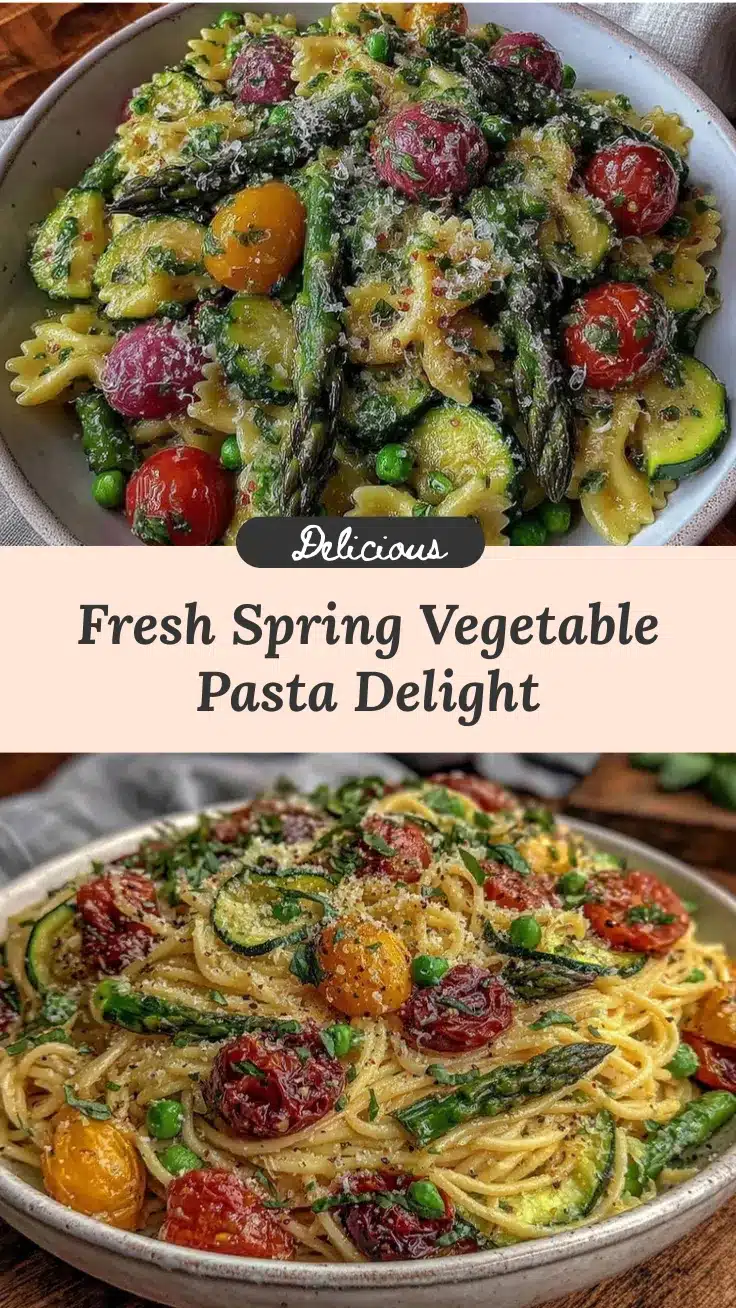
Vibrant Spring Vegetable Pasta Primavera

A fresh and lively pasta dish celebrating spring’s best produce with tender pasta, crisp vegetables, and a light garlic-lemon sauce. Quick, easy, and perfect for a wholesome homemade meal.
- Prep Time: 10 minutes
- Cook Time: 20 minutes
- Total Time: 30 minutes
- Yield: 4 servings 1x
- Category: Main Course
- Cuisine: Italian
Ingredients
- 12 ounces (340 grams) pasta (penne, farfalle, or fusilli)
- 3 tablespoons extra virgin olive oil
- 3 cloves garlic, minced
- 1 bunch asparagus (about 1 pound/450 grams), trimmed and cut into 2-inch pieces
- 1 cup (about 100 grams) sugar snap peas, trimmed
- 1 cup (about 150 grams) cherry tomatoes, halved
- 2 cups (about 60 grams) baby spinach, fresh
- Zest and juice of 1 lemon
- 2 tablespoons chopped fresh basil and/or parsley
- ½ cup (50 grams) grated Parmesan cheese (optional)
- Salt and freshly ground black pepper, to taste
Instructions
- Bring a large pot of salted water to a boil. Add 12 ounces (340 grams) of pasta and cook according to package instructions until al dente, usually about 9-11 minutes. Reserve ½ cup (120 ml) of pasta water before draining. Drain the pasta and set aside.
- While pasta cooks, trim and cut 1 bunch (about 1 pound/450 grams) of asparagus into 2-inch pieces. Trim 1 cup (100 grams) sugar snap peas. Halve 1 cup (150 grams) cherry tomatoes. Rinse 2 cups (60 grams) baby spinach and roughly chop fresh herbs (about 2 tablespoons).
- Heat 3 tablespoons extra virgin olive oil over medium heat in a large skillet. Add 3 cloves minced garlic and cook until fragrant, about 30 seconds, being careful not to brown it.
- Add asparagus and sugar snap peas to the skillet and sauté for 3-4 minutes until bright green and tender-crisp. Toss in cherry tomatoes and cook an additional 2 minutes until they start to soften.
- Add drained pasta to the skillet with vegetables. Toss gently to combine. Add baby spinach and stir until just wilted, about 1 minute. If the mixture seems dry, add reserved pasta water a tablespoon at a time to loosen and create a light sauce.
- Remove skillet from heat. Zest and squeeze juice of 1 lemon over the pasta. Add chopped fresh basil and/or parsley. Season generously with salt and freshly ground black pepper. Toss everything until well mixed and vibrant.
- Sprinkle ½ cup (50 grams) grated Parmesan cheese over the pasta and toss gently one last time. Serve immediately while warm, garnished with extra herbs or a drizzle of olive oil if desired.
Notes
Do not overcook the vegetables; keep them crisp-tender and colorful. Reserve pasta water to create a silky sauce. Add lemon zest and juice at the end to preserve brightness. Season well with salt and pepper. Rewarm gently if needed, adding pasta water to keep moist. Parmesan cheese is optional but recommended for richness.
Nutrition
- Serving Size: About 1½ cups per se
- Calories: 350400
- Sugar: 57
- Sodium: 300400
- Fat: 1012
- Saturated Fat: 23
- Carbohydrates: 5055
- Fiber: 68
- Protein: 1215
Keywords: pasta primavera, spring vegetables, easy pasta recipe, healthy pasta, vegetarian pasta, quick dinner, homemade pasta primavera