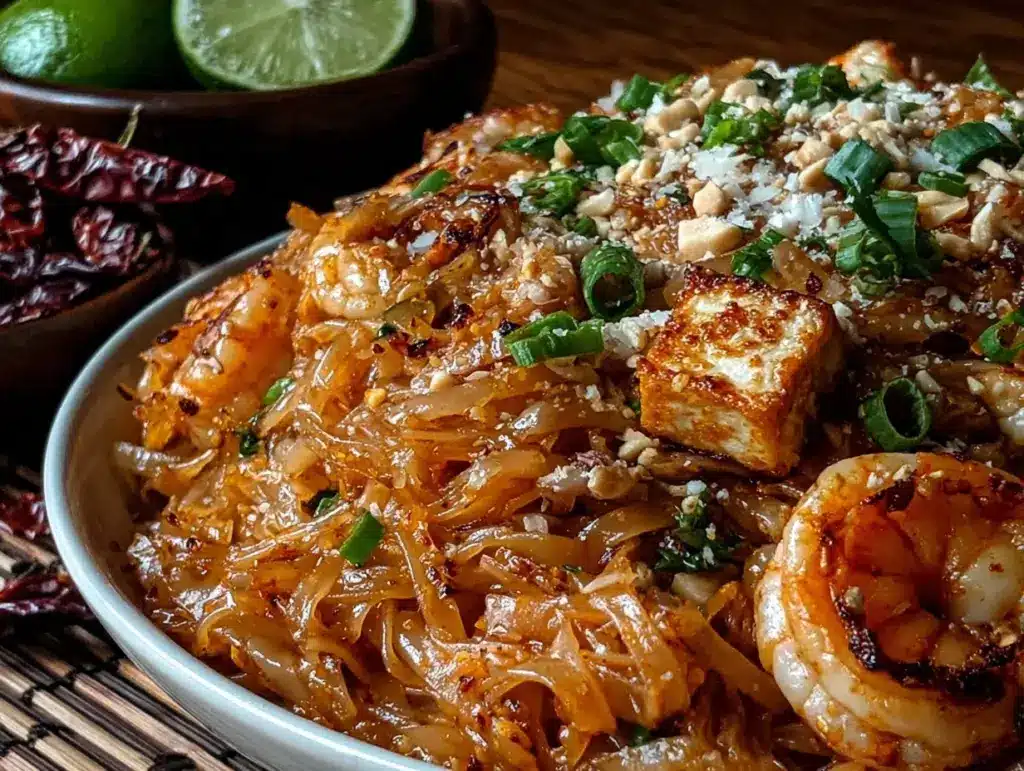
The sizzle of the wok, the tangy aroma of tamarind, and the crunch of peanuts—honestly, nothing quite beats the experience of whipping up a quick & authentic 20-minute Pad Thai recipe in your own kitchen. I still remember the first time I tried making Pad Thai at home; I was skeptical about capturing those street-food vibes without spending hours in the kitchen. But after a few tries, I nailed it—and now this recipe is my go-to for a speedy, satisfying dinner that tastes like I just stepped out of a Bangkok market stall.
Pad Thai is one of those dishes that feels both comforting and exciting. It’s got that perfect balance of sweet, sour, salty, and spicy that keeps you coming back for more. Plus, this quick & authentic 20-minute Pad Thai recipe is perfect for busy weeknights when you want something delicious but don’t have a lot of time. I’ve tested this recipe multiple times, tweaking the sauce and noodle cooking method to make sure it’s both foolproof and bursting with flavor. Whether you’re a longtime fan or a curious first-timer, this recipe is worth making because it brings the real taste of Thailand straight to your table fast.
So if you’re craving a quick dinner that doesn’t skimp on authenticity or flavor, let me walk you through this easy, tasty Pad Thai recipe that I promise will impress your taste buds and your family.
Why You’ll Love This Recipe
After cooking this quick & authentic 20-minute Pad Thai recipe over and over, here’s why I keep coming back to it—and why you might too:
- Fast & Easy: Ready in just 20 minutes, this recipe is perfect when you want a homemade meal without the hassle.
- Simple Ingredients: You probably have most of these pantry staples already; no need for exotic trips to specialty stores.
- Authentic Flavor: The balance of tamarind, fish sauce, and palm sugar nails that classic tangy-sweet Pad Thai taste.
- Versatile: Great for weeknight dinners, casual get-togethers, or whenever you crave a little Thai street-food magic.
- Kid-Friendly & Crowd-Pleasing: The mild spice and familiar flavors usually win over even picky eaters.
- Customizable: Swap proteins or go vegetarian with ease—this recipe adapts well without losing its charm.
What really sets this recipe apart, honestly, is the way the sauce comes together quickly yet tastes like you spent hours perfecting it. I like to blend the tamarind paste thoroughly for that smooth, rich tang, and using rice noodles soaked just right keeps the texture spot on every time. This isn’t just any Pad Thai—it’s my best quick version that stays true to the soul of the dish.
And you know, there’s something about making a dish like this at home that just feels good. It’s comfort food with a little kick, and it brings a bit of adventure to your dinner table with almost zero fuss.
What Ingredients You Will Need
This quick & authentic 20-minute Pad Thai recipe uses straightforward, pantry-friendly ingredients that mix to create that unmistakable Thai flavor profile. Here’s what you’ll want to gather before you start:
- Rice noodles (8 oz / 225 g): Flat, about ¼ inch wide, perfect for soaking and stir-frying.
- Vegetable oil (2 tbsp): For stir-frying; you can also use peanut oil for a nuttier touch.
- Eggs (2 large): Lightly beaten, add protein and richness.
- Garlic (3 cloves, minced): Fresh garlic is a must for that punch of flavor.
- Firm tofu (7 oz / 200 g, diced): For a vegetarian protein option; swap for shrimp or chicken if you prefer.
- Green onions (3 stalks, chopped): Adds freshness and color.
- Bean sprouts (1 cup / 100 g): For that signature crunch and lightness.
- Peanuts (½ cup / 60 g, roasted and chopped): Adds texture and nuttiness; I recommend salted peanuts for balance.
- Fresh lime wedges: To serve alongside, a squeeze of lime wakes up the flavors.
- For the sauce:
- Tamarind paste (3 tbsp): The heart of authentic Pad Thai’s tangy flavor. Look for a good-quality brand like Mae Ploy.
- Fish sauce (3 tbsp): Adds umami and saltiness; substitute with soy sauce for a vegetarian twist.
- Palm sugar (2 tbsp): Gives the sweet balance, but brown sugar works in a pinch.
- Chili powder (1 tsp, optional): Adds heat; adjust to taste depending on your spice love.
The ingredients list might look like a lot, but they’re mostly pantry staples or fresh produce you can find easily. Plus, each one plays a key role—whether it’s building the complex Pad Thai sauce or adding crunch and freshness. I always recommend using fresh garlic and good-quality tamarind paste because those really bring the dish alive.
Equipment Needed
- Large wok or non-stick skillet: A wok works best for quick, even stir-frying, but a large skillet will do just fine.
- Medium bowl: For soaking the rice noodles.
- Wooden spoon or spatula: To toss ingredients without scratching your pan.
- Measuring spoons and cups: Accurate sauce measurements keep the taste balanced.
- Knife and cutting board: For prepping garlic, tofu, and veggies.
If you don’t have a wok, don’t sweat it—just use the biggest skillet you own. I personally find a wok heats up faster and moves the food around more easily, which helps keep the noodles from sticking. Also, I like using a silicone spatula because it’s gentle on pans and makes folding ingredients a breeze. A simple setup like this keeps the cooking quick and efficient!
Detailed Preparation Method
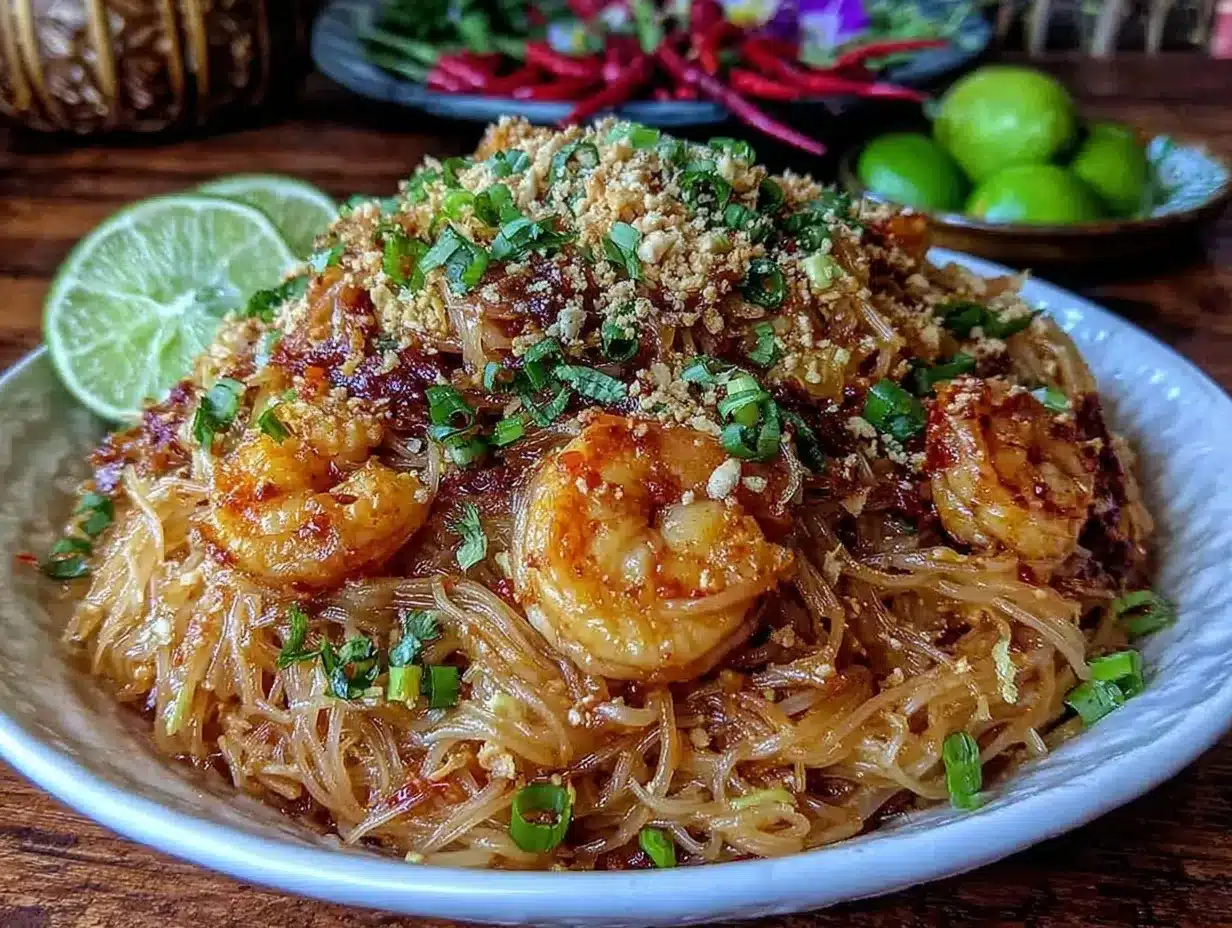
- Prep the noodles: Place 8 oz (225 g) of dry rice noodles in a medium bowl and cover with warm water. Let soak for 10-12 minutes until soft but still slightly firm. Drain and set aside. (Tip: Don’t soak too long or the noodles get mushy when cooked.)
- Mix the sauce: In a small bowl, whisk together 3 tbsp tamarind paste, 3 tbsp fish sauce, 2 tbsp palm sugar, and 1 tsp chili powder (optional). Stir until the sugar dissolves and set aside.
- Heat the wok: Warm 2 tbsp vegetable oil over medium-high heat until shimmering. Toss in 3 cloves minced garlic and sauté for 30 seconds until fragrant but not burnt.
- Add protein: Toss in 7 oz (200 g) diced firm tofu (or shrimp/chicken if using) and stir-fry for 3-4 minutes until golden on all sides.
- Cook the eggs: Push the tofu to one side of the wok. Pour in the beaten eggs (2 large), scramble gently until just set, then mix with tofu.
- Add noodles & sauce: Add the drained noodles and pour the sauce over. Toss everything together carefully but quickly, lifting and folding the noodles so they soak in the sauce. Cook for 2-3 minutes until heated through. (If noodles stick, splash a tablespoon of water to loosen.)
- Add fresh ingredients: Stir in 3 chopped green onions and 1 cup (100 g) bean sprouts. Toss to combine and cook for another minute.
- Finish and serve: Transfer to plates or bowls. Sprinkle with ½ cup (60 g) roasted chopped peanuts and serve with fresh lime wedges on the side. (Tip: Squeeze lime just before eating for the best zing.)
Cooking Pad Thai fast means keeping everything ready to go before you heat the pan. I always prep my sauce and chop all the ingredients first, so once the wok is hot, it’s a smooth flow—no waiting around. The key is timing: noodles softened just right, sauce mixed perfectly, and quick tossing in the wok to keep textures perfect.
Cooking Tips & Techniques
Here’s what I’ve learned from making this quick & authentic 20-minute Pad Thai recipe many times:
- Soak noodles just right: Over-soaking makes them mushy; under-soaking means tough noodles. Aim for pliable but firm to the bite.
- High heat is your friend: A hot wok cooks ingredients quickly, locking in flavor and texture. Don’t crowd the pan; stir-fry in batches if needed.
- Use fresh tamarind paste: It makes a big difference in tanginess versus bottled sauces. Blend it well with the sugar and fish sauce for a smooth sauce.
- Don’t skip the lime: That final squeeze brightens the whole dish and balances the savory sauce beautifully.
- Peanuts add crunch: Toast them lightly in a dry pan before chopping to release their oils and boost flavor.
- Watch the eggs: Scramble gently for soft curds, not rubbery chunks.
I once burned my garlic while rushing, which made the whole dish bitter—lesson learned to keep garlic moving in the pan! Also, multitasking is key: soak noodles while chopping veggies and mixing sauce. That way, cooking feels smooth, not chaotic.
Variations & Adaptations
Want to switch things up? This quick & authentic 20-minute Pad Thai recipe is a great base to customize:
- Vegetarian/Vegan: Skip fish sauce and use soy sauce or tamari. Replace eggs with scrambled tofu or omit altogether. Use plant-based protein like tempeh.
- Protein swaps: Try shrimp, chicken, or even thinly sliced beef instead of tofu. Adjust cooking time accordingly.
- Gluten-free: Use certified gluten-free tamarind paste and tamari instead of soy sauce to keep it safe.
- Spice level: Add more chili powder or fresh bird’s eye chilies if you like it hotter. For milder taste, leave chili out.
- Seasonal twist: Toss in shredded carrots, bell peppers, or snap peas for extra crunch and color.
One personal favorite variation is adding a handful of fresh Thai basil leaves at the end for an herbal punch that pairs beautifully with the tangy sauce. I also sometimes swap palm sugar for coconut sugar when I’m out—it adds a subtle caramel note that’s delicious.
Serving & Storage Suggestions
Pad Thai is best served hot and fresh. I like to plate it with extra lime wedges on the side and a sprinkle of chopped peanuts right before serving so they stay crunchy. A small side of pickled vegetables or a light cucumber salad pairs well and adds freshness.
If you have leftovers (which is rare!), store them in an airtight container in the fridge for up to 2 days. Reheat gently in a skillet or microwave, adding a splash of water or lime juice to revive the noodles and sauce. The flavors may mellow slightly overnight but still taste great.
This dish also travels well for lunches—just pack the peanuts separately to keep them crisp. You’ll find the flavors meld nicely after a few hours, making it even tastier the next day.
Nutritional Information & Benefits
This quick & authentic 20-minute Pad Thai recipe serves about 4 and offers a balanced meal with protein, carbs, and healthy fats. Each serving roughly contains:
- Calories: 400-450 kcal
- Protein: 18-22 g (depending on your protein choice)
- Carbohydrates: 50-55 g
- Fat: 12-15 g
Key ingredients like tamarind provide antioxidants, while peanuts add heart-healthy fats. Using tofu or shrimp boosts protein without excess calories. Plus, the fresh veggies contribute fiber and vitamins. For gluten-free or vegetarian diets, simple ingredient swaps keep this recipe accessible without losing flavor.
I appreciate that this dish feels indulgent but can fit well in a balanced diet—comfort food without guilt!
Conclusion
To wrap it up, this quick & authentic 20-minute Pad Thai recipe is a keeper for anyone who loves fast, flavorful dinners without complicated steps. It’s a recipe I’m proud of because it brings real Thai street food flavors into my kitchen easily and reliably. Don’t hesitate to customize it to your tastes—whether switching up proteins, adjusting spice, or adding veggies. Cooking this feels like a little culinary adventure that anyone can handle.
Give it a try, and please come back to share your thoughts or any fun twists you added. I love hearing how you make it your own! So grab your wok, get those noodles soaking, and let’s make dinner exciting again.
Frequently Asked Questions
How do I prevent the rice noodles from sticking together?
Soak them in warm water until just pliable but still firm, then drain well before cooking. Tossing with a bit of oil before stir-frying helps too.
Can I make Pad Thai without fish sauce?
Yes! Use soy sauce or tamari as a vegetarian or vegan substitute. It won’t be exactly the same but still delicious.
What protein options work best in Pad Thai?
Tofu, shrimp, chicken, or beef all work well. Adjust cooking times to ensure proteins are cooked through.
Is tamarind paste necessary?
It provides the signature tang of Pad Thai, so highly recommended. If you can’t find it, a mix of lime juice and brown sugar can substitute in a pinch.
Can I prepare Pad Thai ahead of time?
You can prep ingredients and sauce ahead, but it’s best stirred up fresh. Leftovers store well in the fridge for 1-2 days and reheat nicely.
Pin This Recipe!
Quick Pad Thai Recipe 20-Minute Easy Authentic Dinner Guide

A fast and authentic Pad Thai recipe that delivers the classic tangy-sweet flavors of Thailand in just 20 minutes, perfect for busy weeknights.
- Prep Time: 12 minutes
- Cook Time: 8 minutes
- Total Time: 20 minutes
- Yield: 4 servings 1x
- Category: Main Course
- Cuisine: Thai
Ingredients
- 8 oz (225 g) flat rice noodles, about ¼ inch wide
- 2 tbsp vegetable oil (or peanut oil for nuttier flavor)
- 2 large eggs, lightly beaten
- 3 cloves garlic, minced
- 7 oz (200 g) firm tofu, diced (or shrimp/chicken as alternatives)
- 3 stalks green onions, chopped
- 1 cup (100 g) bean sprouts
- ½ cup (60 g) roasted and chopped peanuts, preferably salted
- Fresh lime wedges, for serving
- 3 tbsp tamarind paste
- 3 tbsp fish sauce (or soy sauce for vegetarian version)
- 2 tbsp palm sugar (or brown sugar as substitute)
- 1 tsp chili powder (optional)
Instructions
- Place 8 oz (225 g) of dry rice noodles in a medium bowl and cover with warm water. Soak for 10-12 minutes until soft but still slightly firm. Drain and set aside.
- In a small bowl, whisk together 3 tbsp tamarind paste, 3 tbsp fish sauce, 2 tbsp palm sugar, and 1 tsp chili powder (optional). Stir until sugar dissolves and set aside.
- Heat 2 tbsp vegetable oil in a wok or large skillet over medium-high heat until shimmering. Add minced garlic and sauté for 30 seconds until fragrant but not burnt.
- Add diced tofu (or chosen protein) and stir-fry for 3-4 minutes until golden on all sides.
- Push tofu to one side of the wok. Pour in beaten eggs and scramble gently until just set, then mix with tofu.
- Add drained noodles and pour the sauce over. Toss everything together carefully but quickly, lifting and folding noodles so they soak in the sauce. Cook for 2-3 minutes until heated through. Splash a tablespoon of water if noodles stick.
- Stir in chopped green onions and bean sprouts. Toss to combine and cook for another minute.
- Transfer to plates or bowls. Sprinkle with roasted chopped peanuts and serve with fresh lime wedges. Squeeze lime just before eating.
Notes
Soak noodles until pliable but still firm to avoid mushiness. Use fresh tamarind paste for authentic tang. Toast peanuts lightly before chopping for enhanced flavor. Scramble eggs gently to avoid rubbery texture. Squeeze lime just before serving for best flavor. Adjust chili powder to taste for desired spice level.
Nutrition
- Serving Size: 1 plate (approximate
- Calories: 425
- Sugar: 8
- Sodium: 900
- Fat: 14
- Saturated Fat: 2.5
- Carbohydrates: 53
- Fiber: 4
- Protein: 20
Keywords: Pad Thai, quick Pad Thai, authentic Thai recipe, easy dinner, stir-fry noodles, tamarind sauce, vegetarian Pad Thai, gluten-free Pad Thai