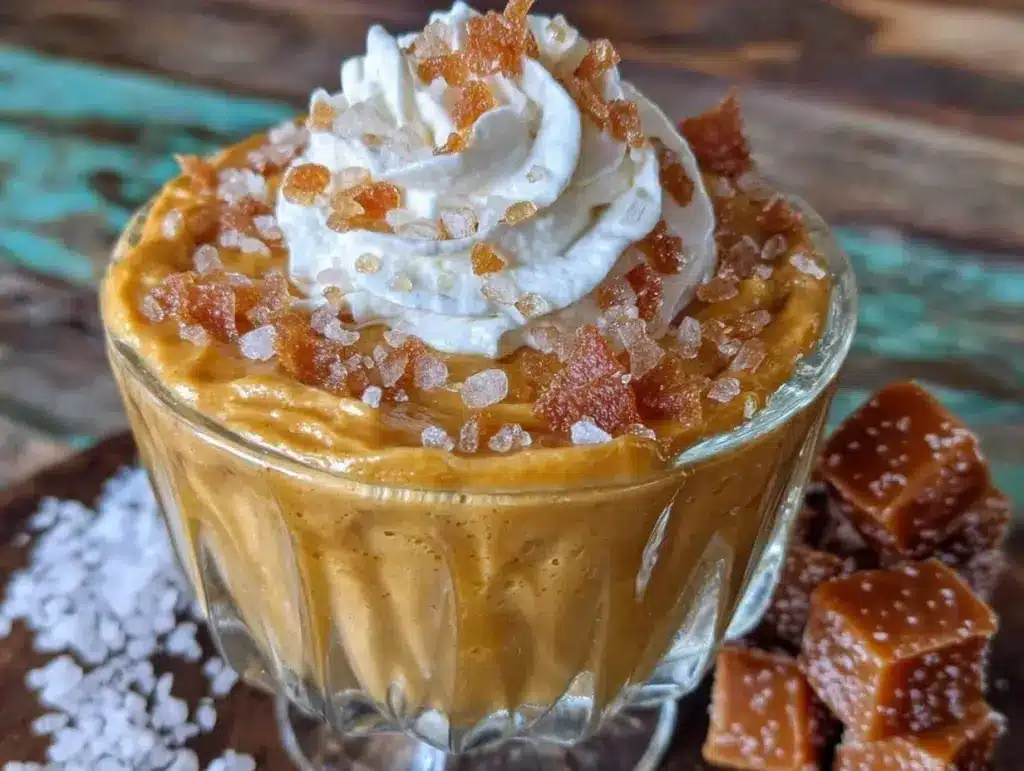
The smell of warm, buttery caramel swirling in a creamy pudding pot is honestly one of those little joys that sticks with you. I still remember the first time I whipped up this butterscotch pudding recipe on a chilly weekend afternoon—there was something about the way the sweet, rich flavor melted on my tongue that made it instant comfort food. You know that feeling when dessert isn’t just dessert, but a hug in a bowl? That’s exactly what this homemade butterscotch pudding delivers.
Over time, I’ve tweaked this recipe to get it just right—silky smooth with a perfect balance of sweetness and depth from real brown sugar and butter. It’s easy enough for weeknight treats but special enough to bring out when you want to impress friends or family. This easy homemade dessert is perfect for anyone craving that classic butterscotch taste without the fuss of complicated steps or weird ingredients. I’ve made it countless times, and honestly, each batch feels like a cozy little celebration.
Whether you’re a seasoned dessert maker or just starting out, this butterscotch pudding recipe will quickly become a staple. Plus, it’s a great way to use pantry staples and whip up something decadent without running to the store. Let’s get to making that creamy, dreamy pudding—you won’t regret it!
Why You’ll Love This Recipe
After making this butterscotch pudding recipe more times than I can count, I feel pretty confident saying it ticks all the boxes for a go-to dessert. Here’s why you’ll want to keep this one in your recipe arsenal:
- Quick & Easy: Ready in under 30 minutes, perfect for those late-night sweet tooth moments or unexpected guests.
- Simple Ingredients: No fancy or hard-to-find items here—brown sugar, butter, cream, and a handful of basics you probably have on hand.
- Classic Comfort: That rich, buttery flavor paired with creamy texture hits all the nostalgic notes.
- Crowd-Pleaser: Whether it’s family dinner or a potluck, this pudding disappears fast—kids and adults alike love it.
- Perfect Texture: Thanks to the slow simmer and gentle stirring, the pudding comes out silky smooth with just the right thickness.
What makes this recipe stand apart? It’s the little tricks I’ve added over the years—like browning the butter just a touch for that nutty depth, and simmering the mix gently to avoid graininess. This isn’t your run-of-the-mill pudding; it’s been tested, tweaked, and loved until it hits that perfect sweet spot. Trust me, after the first spoonful, you’ll know this is the real deal.
What Ingredients You Will Need
This butterscotch pudding recipe uses straightforward ingredients that come together to create that rich, creamy, buttery delight we all crave. Most are pantry staples, which means you can make this on a whim without special trips to the store.
- Brown sugar (light or dark), 1 cup (200 g): The heart of the butterscotch flavor—go for a good quality packed brown sugar for best results.
- Unsalted butter, 4 tablespoons (56 g): Softened or melted; browning it slightly adds a wonderful nutty aroma.
- Whole milk, 2 ½ cups (600 ml): The base liquid; full-fat milk gives the creamiest texture.
- Heavy cream, ½ cup (120 ml): Adds richness and smoothness—can swap for all milk if you want it lighter.
- Large egg yolks, 4: These add body and help thicken the pudding without needing cornstarch.
- Cornstarch, 3 tablespoons (24 g): For thickening; sifted to avoid lumps.
- Vanilla extract, 1 teaspoon: Enhances the flavor with a warm, sweet note.
- Salt, a pinch: Balances the sweetness and deepens the butterscotch flavor.
For best results, I recommend using real unsalted butter like Kerrygold or Plugrá—they melt beautifully and add a creamier finish. When selecting your milk, whole milk is my go-to, but if you prefer dairy-free, unsweetened almond or oat milk can work with a slightly thinner consistency. You can also substitute arrowroot powder for cornstarch if desired.
Equipment Needed
To whip up this luscious butterscotch pudding recipe, you don’t need a fancy kitchen setup—just some basics that most home cooks already have.
- Medium saucepan: For heating and simmering the pudding mixture without burning. A heavy-bottomed pan helps distribute heat evenly.
- Whisk: Essential to keep the pudding smooth and prevent lumps as you cook.
- Mixing bowls: For combining egg yolks and cornstarch before adding to the hot mixture.
- Measuring cups and spoons: Accurate measurements make all the difference in pudding texture.
- Fine-mesh sieve (optional): To strain the pudding for an ultra-silky finish—totally worth the extra step!
- Serving dishes or ramekins: For chilling and presenting your pudding in style.
Personally, I love using a silicone whisk because it’s gentle on my pans and easy to clean. If you don’t have a heavy-bottomed saucepan, just keep the heat low and stir frequently to avoid scorching. Budget-wise, all these tools are pretty standard; no need to splurge unless you want a fancy pudding set for fun!
Detailed Preparation Method
- Prepare the egg yolk mixture (5 minutes): In a medium bowl, whisk together 4 large egg yolks and 3 tablespoons (24 g) of sifted cornstarch until smooth and slightly pale. Set aside.
- Melt and brown the butter (3-4 minutes): In your saucepan over medium heat, melt 4 tablespoons (56 g) of unsalted butter. Let it bubble gently until it turns a light golden brown with a nutty aroma—watch carefully to avoid burning. This step gives the pudding its signature depth.
- Add brown sugar and salt (2 minutes): Stir in 1 cup (200 g) of packed brown sugar and a pinch of salt into the browned butter. Mix until the sugar starts dissolving and the mixture looks smooth and glossy.
- Incorporate milk and cream (5 minutes): Slowly pour in 2 ½ cups (600 ml) whole milk and ½ cup (120 ml) heavy cream while whisking constantly. This helps prevent lumps. Heat the mixture until it’s steaming but not boiling (about 180°F/82°C), stirring frequently.
- Temper the egg yolks (3 minutes): Slowly ladle about half a cup of the hot milk mixture into the egg yolks, whisking constantly to warm them up without scrambling. Gradually add this yolk mixture back into the saucepan, whisking continuously.
- Cook until thickened (7-10 minutes): Continue cooking the pudding over medium-low heat, stirring constantly. You’ll notice it start to thicken after 5–7 minutes—keep going until it coats the back of a spoon. Don’t rush this or the pudding might curdle.
- Add vanilla extract (1 minute): Remove from heat and stir in 1 teaspoon of vanilla extract for that warm, inviting aroma.
- Strain and chill (optional, 5 minutes prep + chilling time): For the smoothest texture, pour the pudding through a fine-mesh sieve into a clean bowl. Then cover with plastic wrap, pressing it directly onto the surface of the pudding to prevent a skin from forming. Chill in the fridge for at least 2 hours before serving.
Pro tip: If your pudding looks a bit lumpy or grainy, don’t panic—whisk vigorously off the heat and strain if needed. Patience is key here; slow heat and constant stirring are your friends. After a dozen batches, I learned that rushing this step leads to disappointing texture, so take your time.
Cooking Tips & Techniques
Making a perfect butterscotch pudding might sound straightforward, but a few tricks can make all the difference between “meh” and “wow”. Here’s what I’ve picked up along the way:
- Brown the butter carefully: It’s tempting to speed things up, but low and slow browning prevents burnt flavors. Watch the color closely—it should be golden but not dark.
- Whisk constantly: Once you add the milk and egg yolks, keep whisking to avoid lumps or scrambled eggs. It’s the secret to that silky smooth texture.
- Temperature control is king: Avoid boiling the mixture after adding eggs, as too much heat causes curdling. Aim to heat gently and steadily.
- Use fresh eggs: Fresher eggs yield a better texture and richer taste. Older eggs sometimes result in a slightly off flavor or grainy pudding.
- Chill thoroughly: Pudding tastes best cold and well set. Don’t skip the chilling step, even if you’re eager to dig in!
- Don’t skip straining: For the smoothest result, passing the pudding through a sieve removes any tiny cooked bits. It might feel like extra work but trust me, it’s worth it.
Once I learned to slow down and respect these little details, my pudding went from “pretty good” to downright irresistible. If you mess up a batch, don’t sweat it—practice makes perfect, and every attempt teaches you something new.
Variations & Adaptations
This butterscotch pudding recipe is wonderfully versatile, so feel free to switch things up depending on your mood or dietary needs.
- Dairy-free version: Swap whole milk and cream for coconut milk or almond milk. Use dairy-free butter or coconut oil for that buttery taste. The texture will be slightly lighter but still delicious.
- Vegan adaptation: Use cornstarch or arrowroot as the thickener and replace egg yolks with silken tofu blended smooth or a mix of cornstarch and plant milk. Add a touch of turmeric for color if desired.
- Spiced butterscotch: Add a pinch of cinnamon, nutmeg, or even a dash of cardamom during cooking to give the pudding a warm, cozy twist.
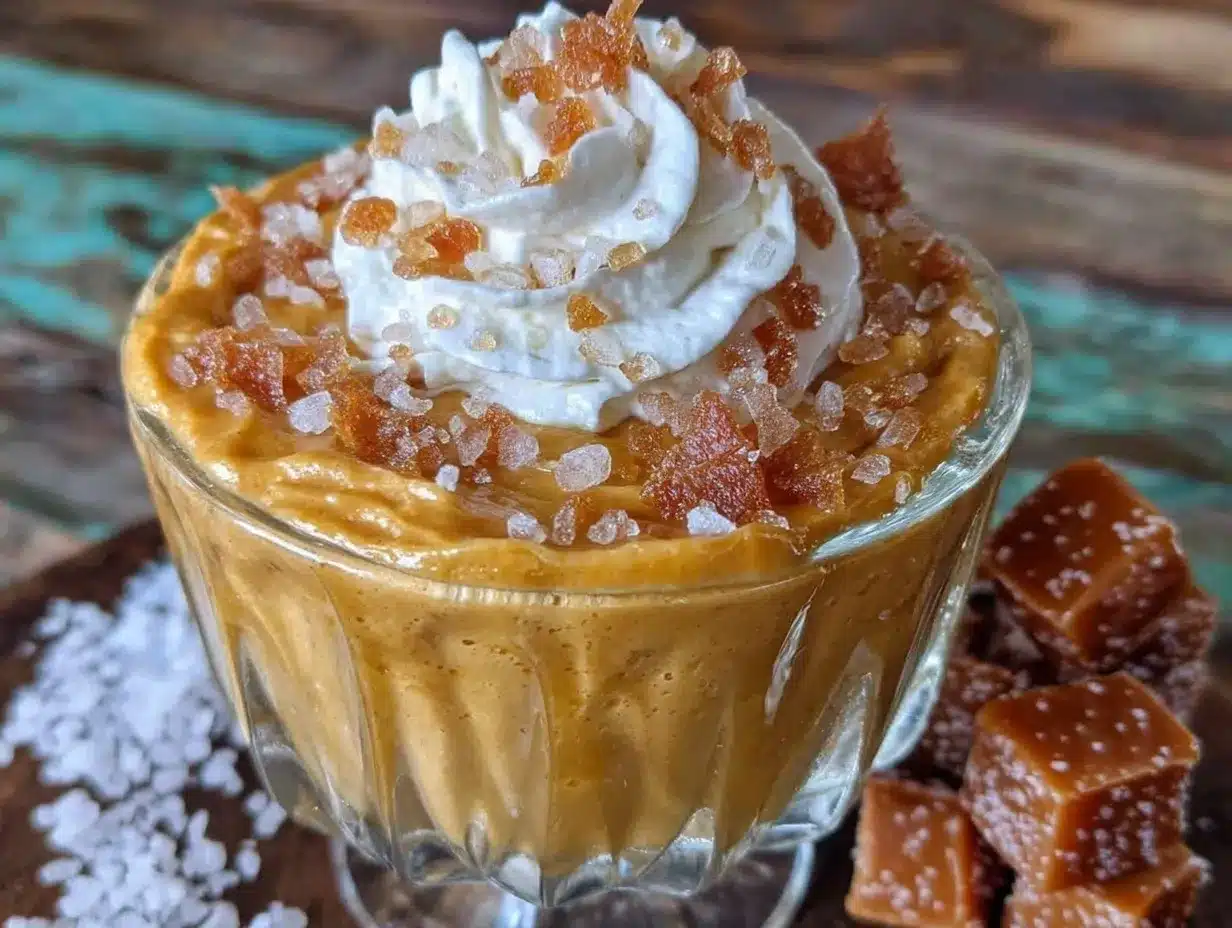
- Salted butterscotch: Sprinkle flaky sea salt on top before serving to balance the sweetness beautifully.
- Chocolate butterscotch: Stir in 2 tablespoons of cocoa powder or melted dark chocolate during the milk heating step for a rich, decadent combo.
One of my favorite twists is stirring in a tablespoon of espresso powder—it adds a subtle depth that pairs perfectly with the brown sugar richness. Play around with these ideas and find what feels like your perfect pudding.
Serving & Storage Suggestions
This pudding shines best served cold, straight from the fridge. I like to spoon it into small glass ramekins or pretty dessert bowls—presentation counts, right? For a little extra flair, top with whipped cream, a sprinkle of toasted pecans, or a few chocolate shavings.
Pairing it with a hot cup of coffee or a bold black tea really rounds out the dessert experience. It’s also fantastic alongside fresh berries, which add a tangy contrast to the sweet, buttery pudding.
If you have leftovers (which is rare!), store them covered in the refrigerator for up to 3 days. The pudding thickens as it chills, so if it feels too firm when serving, just let it sit at room temperature for 10 minutes or whisk gently to loosen the texture. You can also reheat it gently on the stove with a splash of milk, stirring constantly to bring it back to silky perfection.
Over time, the flavors meld beautifully, making the pudding taste even better the next day. Honestly, it’s one dessert that keeps on giving.
Nutritional Information & Benefits
Here’s a rough estimate of the nutrition for one serving (based on 6 servings from the recipe):
| Calories | 280 |
|---|---|
| Fat | 15g |
| Carbohydrates | 30g |
| Protein | 5g |
This pudding delivers a good dose of calcium and vitamin D from the milk and cream. The brown sugar provides natural molasses which contains trace minerals. While it’s definitely a treat, the recipe avoids artificial additives or preservatives, making it a cleaner option than many store-bought puddings.
For those watching gluten or egg allergies, this recipe can be adapted easily—cornstarch is gluten-free, and eggs can be substituted for vegan versions. Just be mindful of dairy if you need dairy-free alternatives.
From a wellness perspective, I love that this pudding satisfies sweet cravings without relying on processed sugars or overly complicated ingredients. It’s a comforting dessert that feels homemade and honest.
Conclusion
If you’re looking for a dessert that’s both irresistibly creamy and bursting with rich butterscotch flavor, this butterscotch pudding recipe is your new best friend. It’s simple, satisfying, and just the right amount of indulgence to brighten any day.
The best part? You can tweak it to your heart’s content, whether you want it dairy-free, spiced, or even chocolatey. Personally, I love how this recipe brings back cozy memories while giving me a quick, no-fuss sweet fix.
Give it a try, and don’t hesitate to share your own twists or questions in the comments—I’d love to hear how your pudding turns out! Here’s to many spoonfuls of happiness ahead.
FAQs
Can I make butterscotch pudding ahead of time?
Yes! It actually tastes better after chilling for a few hours or overnight. Just cover it tightly to prevent a skin from forming.
What can I use if I don’t have cornstarch?
You can substitute arrowroot powder or tapioca starch in equal amounts. Both work well as thickeners.
Why did my pudding turn out grainy?
This usually happens if the mixture gets too hot or the eggs scramble. Cook gently, whisk constantly, and strain the pudding if needed.
Is it possible to make this recipe vegan?
Absolutely! Use plant-based milk and butter substitutes, and replace egg yolks with cornstarch slurry or blended silken tofu for thickening.
Can I add mix-ins like nuts or chocolate chips?
Definitely! Fold in chopped nuts or chocolate chips after cooking and before chilling for added texture and flavor.
Pin This Recipe!

Butterscotch Pudding Recipe Easy Homemade Dessert with Step-by-Step Guide

A rich, creamy, and buttery homemade butterscotch pudding that is quick and easy to make, perfect for comforting desserts and special occasions.
- Prep Time: 10 minutes
- Cook Time: 15 minutes
- Total Time: 2 hours 25 minutes
- Yield: 6 servings 1x
- Category: Dessert
- Cuisine: American
Ingredients
- 1 cup (200 g) brown sugar (light or dark), packed
- 4 tablespoons (56 g) unsalted butter
- 2 ½ cups (600 ml) whole milk
- ½ cup (120 ml) heavy cream
- 4 large egg yolks
- 3 tablespoons (24 g) cornstarch, sifted
- 1 teaspoon vanilla extract
- Pinch of salt
Instructions
- In a medium bowl, whisk together 4 large egg yolks and 3 tablespoons (24 g) of sifted cornstarch until smooth and slightly pale. Set aside.
- In a medium saucepan over medium heat, melt 4 tablespoons (56 g) of unsalted butter. Let it bubble gently until it turns a light golden brown with a nutty aroma, being careful not to burn it.
- Stir in 1 cup (200 g) of packed brown sugar and a pinch of salt into the browned butter. Mix until the sugar starts dissolving and the mixture looks smooth and glossy.
- Slowly pour in 2 ½ cups (600 ml) whole milk and ½ cup (120 ml) heavy cream while whisking constantly. Heat the mixture until it’s steaming but not boiling (about 180°F/82°C), stirring frequently.
- Slowly ladle about half a cup of the hot milk mixture into the egg yolks, whisking constantly to temper them without scrambling. Gradually add this yolk mixture back into the saucepan, whisking continuously.
- Continue cooking the pudding over medium-low heat, stirring constantly, until it thickens and coats the back of a spoon, about 7-10 minutes.
- Remove from heat and stir in 1 teaspoon of vanilla extract.
- Optional: Pour the pudding through a fine-mesh sieve into a clean bowl for an ultra-smooth texture. Cover with plastic wrap pressed directly onto the surface to prevent a skin from forming.
- Chill in the refrigerator for at least 2 hours before serving.
Notes
Brown the butter slowly to avoid burnt flavors. Whisk constantly to prevent lumps or scrambled eggs. Avoid boiling after adding eggs to prevent curdling. Use fresh eggs for best texture. Chill thoroughly before serving. Strain pudding for smoothest texture.
Nutrition
- Serving Size: 1 serving (approxima
- Calories: 280
- Fat: 15
- Carbohydrates: 30
- Protein: 5
Keywords: butterscotch pudding, homemade dessert, easy pudding recipe, creamy pudding, brown sugar dessert