
That afternoon, the kitchen was humming with the cozy sounds of an old jazz record and the faint scent of fresh lemons. Honestly, I wasn’t planning on baking anything fancy—just something simple to use up a leftover bag of flour and a sprig of lavender from my neighbor’s garden. I remember texting her, half-joking, “Think lavender and lemon would work in cookies?” She replied with a thumbs-up emoji and a “Go for it!” So, I tossed together what felt like a weird combo and popped them into the oven, expecting, well, a kitchen experiment at best.
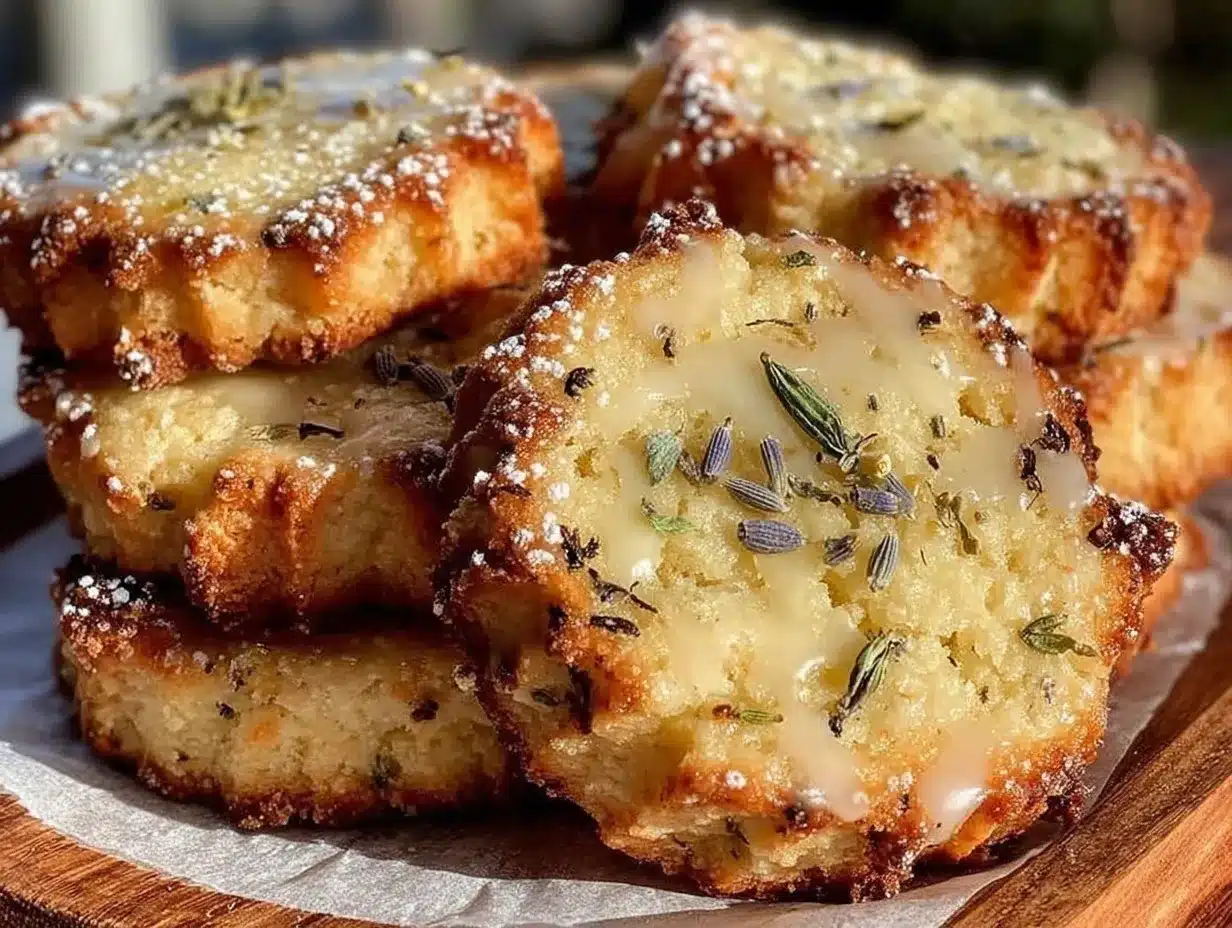
But the moment those crispy lavender lemon shortbread cookies with glaze came out golden and smelling like a little slice of spring, I was hooked. The crisp edges gave way to a tender crumb, and that citrus-herbal zing—trust me, it’s subtle but unforgettable—made all the difference. It’s funny how an unplanned recipe can become a quiet favorite, the kind you reach for when you want something comforting but a little bit special.
Since then, I’ve baked these cookies countless times, tweaking the glaze and playing with the texture until they feel just right. They’re perfect for when you want to impress without fuss, or simply want a moment to savor something delicate and sweet. This recipe stuck with me because it’s not trying too hard; it’s just honest, crispy, and downright delicious.
Why You’ll Love This Recipe
From countless kitchen trials and a few happy accidents, this crispy lavender lemon shortbread cookies with glaze recipe stands out for several reasons:
- Quick & Easy: Ready in under 30 minutes, these cookies are perfect for when you need a last-minute treat or a surprise for guests.
- Simple Ingredients: No obscure herbs or pricey imports—just pantry staples plus dried culinary lavender and fresh lemon zest.
- Perfect for Tea Time or Brunch: These cookies add a delicate, fragrant note to afternoon tea or a light brunch spread.
- Crowd-Pleaser: I’ve served these at gatherings, and they always vanish fast. Even folks skeptical about lavender come back for seconds.
- Unbelievably Delicious: The crispy edges paired with a smooth, tangy glaze create a flavor and texture combo that’s hard to forget.
This isn’t just your average shortbread. What sets it apart is the way the lavender is balanced—not overpowering but just whispering in the background—and the lemon glaze that brings a bright finish. I like to think of it as a subtle twist on a classic, a bit like how my soft sugar cookies with creamy icing bring a familiar comfort with a smooth finish. These cookies are the kind that make you close your eyes after the first bite and realize simple ingredients, when combined thoughtfully, can create magic.
What Ingredients You Will Need
This recipe uses simple, wholesome ingredients to deliver bold flavor and a satisfying crisp texture without a lot of fuss. Most of these are pantry staples, with the exception of culinary lavender, which you can find at specialty food stores or online.
- All-purpose flour (2 cups / 250g) – The base for our shortbread, provides structure.
- Unsalted butter (1 cup / 227g), softened – Adds richness and that melt-in-your-mouth texture. I prefer Land O Lakes for consistency.
- Powdered sugar (3/4 cup / 90g) – Gives a smooth sweetness, essential for shortbread.
- Dried culinary lavender (2 tsp) – Use food-grade lavender only, finely crushed to release aroma.
- Fresh lemon zest (1 tbsp) – Brightens the cookies; be sure to avoid the bitter white pith.
- Salt (1/4 tsp) – Balances sweetness and enhances flavor.
- Vanilla extract (1 tsp) – Adds warmth and depth.
- For the glaze:
- Powdered sugar (1 cup / 120g)
- Fresh lemon juice (2-3 tbsp) – Adjust for desired glaze consistency.
- Optional: a drop of vanilla extract – For a subtle sweetness.
If you want to make this gluten-free, swap the all-purpose flour for a 1:1 gluten-free baking flour blend. For a dairy-free twist, use vegan butter and substitute the powdered sugar glaze with a mix of coconut milk and powdered sugar. I’ve tried these swaps, and while the texture shifts slightly, the flavor still shines through.
Equipment Needed
- Mixing bowls: A large one to combine the dough ingredients and a smaller one for the glaze.
- Electric mixer or stand mixer: Helpful for creaming butter and sugar smoothly, but you can use a sturdy wooden spoon if needed.
- Microplane or fine grater: For zesting the lemon accurately without the bitter pith.
- Baking sheet: A heavy-duty, rimmed baking sheet works best to prevent warping.
- Parchment paper or silicone baking mat: Keeps the cookies from sticking and helps with even baking.
- Cooling rack: Essential for letting cookies cool properly to retain crispness.
- Small whisk or fork: For mixing the glaze smoothly.
If you don’t have a stand mixer, my experience is that a hand mixer works just fine, though it takes a bit more arm power. When zesting lemon, a microplane is worth the investment for its precision and ease. For budget-friendly baking, parchment paper and silicone mats can be reused multiple times, which saves money in the long run.
Preparation Method
- Preheat your oven to 350°F (175°C). Line a baking sheet with parchment paper or a silicone mat to prevent sticking.
- Cream the butter and sugar: In a large bowl, beat 1 cup (227g) softened unsalted butter with 3/4 cup (90g) powdered sugar using an electric mixer on medium speed until light and fluffy, about 3-4 minutes. It should look pale and almost whipped—this is key for that delicate texture.
- Add vanilla and lemon zest: Mix in 1 tsp vanilla extract and 1 tbsp fresh lemon zest until evenly combined. The citrus aroma should start to fill your kitchen here.
- Mix in dry ingredients: In a separate bowl, whisk together 2 cups (250g) all-purpose flour, 2 tsp finely crushed dried culinary lavender, and 1/4 tsp salt. Gradually add this to the butter mixture, mixing on low speed or folding gently with a spatula until the dough just comes together. Avoid overmixing to keep the cookies tender.
- Shape the dough: Turn the dough onto a lightly floured surface. Roll it out to about 1/4-inch (6mm) thickness. Cut into your preferred shapes—classic rectangles or delicate rounds work wonderfully. You’ll want cookies about 2 inches (5cm) wide for the best crispy bite.
- Bake: Place cookies on the prepared baking sheet about 1 inch (2.5cm) apart. Bake for 15-18 minutes, or until the edges turn a light golden brown and you catch that toasty scent. Watch carefully toward the end to avoid overbaking.
- Cool: Let the cookies cool on the baking sheet for 5 minutes, then transfer to a wire rack to cool completely. This step is important to let them crisp up fully.
- Prepare the glaze: In a small bowl, whisk 1 cup (120g) powdered sugar with 2-3 tbsp fresh lemon juice until smooth and pourable but thick enough to coat. Add a drop of vanilla extract if you like.
- Glaze the cookies: Once cookies are fully cooled, drizzle or brush the glaze on top. Let them sit for 20-30 minutes until the glaze is set but still tender.
If the dough feels crumbly or dry, add a teaspoon of cold water at a time until it holds together. Conversely, if it’s too sticky, a light dusting of flour will help. The key sensory tip? The dough should feel cool and soft, not greasy or overly dry. When baking, the edges should firm up first, signaling they’re ready.
Cooking Tips & Techniques
Getting that perfect crisp shortbread texture with a tender bite isn’t always straightforward, so here are some tips I’ve picked up:
- Butter temperature matters: Use butter softened to room temperature but not melted. Too warm, and the dough gets greasy; too cold, and it won’t come together smoothly.
- Don’t overmix: Once you add flour, mix just until combined. Overworking develops gluten and makes cookies tough, which is the opposite of what we want here.
- Chill if needed: If your kitchen is warm or the dough feels too soft, pop it in the fridge for 15 minutes before rolling. This helps the cookies hold their shape.
- Keep an eye on baking times: Every oven’s different, so start checking at 15 minutes. The cookies should be firm around the edges but still pale on top.
- Use quality lavender: Culinary lavender is a delicate flavor. Too much or the wrong kind (like ornamental lavender) can turn the cookies bitter. I recommend checking labels or buying from trusted suppliers.
- Glaze consistency: The glaze shouldn’t be too runny or it’ll soak into the cookies and ruin crispness. Aim for a thick drizzle that sets quickly.
Early on, I learned the hard way that skipping the cooling step before glazing turns these cookies into a sticky mess. Patience here pays off with a beautiful, glossy finish. Also, multitasking by preparing the glaze while the cookies bake saves time and keeps you efficient.
Variations & Adaptations
Want to switch things up? Here are a few ways to make this recipe your own:
- Herbal swap: Replace lavender with dried rosemary or thyme for a savory twist that pairs well with lemon.
- Seasonal fruits: Add finely chopped dried cranberries or blueberries to the dough for a burst of color and flavor, similar to the cozy touches in my cranberry orange pecan crisp.
- Glaze flavor: Mix in a teaspoon of orange zest or a splash of elderflower cordial into the glaze for a floral or fruity note.
- Dietary tweaks: Use almond or oat flour to make a gluten-free version. Swap butter for coconut oil to make a dairy-free treat, keeping in mind this will slightly alter texture and flavor.
- Shape and size: Try cutting the dough into tiny hearts or stars for festive occasions or bite-sized rounds for tea parties.
Personally, I once added a pinch of cardamom to the dough for a warm spice undertone that surprised and delighted my guests. It’s a neat way to give the recipe a different personality without losing its crisp charm.
Serving & Storage Suggestions
These cookies are best served at room temperature when the glaze is set but still tender. They pair beautifully with a cup of chamomile or Earl Grey tea—perfect for a quiet afternoon. For a brunch spread, they add a delicate sweet note that balances savory dishes, much like the fresh balance in my Southwest chipotle salad.
Store cooled cookies in an airtight container at room temperature for up to 5 days. If you want to keep them longer, place them in the fridge in a sealed container for up to two weeks, though they may lose a bit of their crispness.
For freezing, arrange cookies in a single layer on a baking sheet and freeze until solid. Then transfer them to a freezer-safe container or bag, separating layers with parchment paper. They’ll keep for 2-3 months. Thaw at room temperature and refresh the glaze if needed.
Reheat cookies briefly (10-15 seconds) in a microwave to soften if desired, but be careful not to melt the glaze. Over time, the lemon flavor intensifies slightly, so they taste even better the next day—if they last that long!
Nutritional Information & Benefits
Each cookie (assuming about 24 cookies from the batch) contains approximately 120 calories, 7g fat, 12g carbohydrates, and 1g protein. They’re a treat, so moderation is key, but the ingredients offer some benefits:
- Lavender: Known for its calming properties, it adds a natural floral aroma without calories.
- Lemon zest: Provides vitamin C and antioxidants, contributing a fresh brightness.
- Butter: Supplies fat-soluble vitamins, though it’s best enjoyed in balance with a healthy diet.
This recipe is naturally gluten-free adaptable and can be made dairy-free with simple swaps. Just watch out for powdered sugar if you have sensitivities. Personally, I find these cookies a mindful indulgence—perfect for when you want a little something special without overdoing it.
Conclusion
If you’re looking for a cookie that’s crisp, fragrant, and a little unexpected, these crispy lavender lemon shortbread cookies with glaze are worth your time. They strike a lovely balance between simple ingredients and sophisticated flavor, making them a quiet star in any cookie lineup.
Feel free to tweak the herbs, zest, or glaze to suit your mood and pantry. I love how this recipe invites creativity without losing its charm. It’s become a go-to for me when I want to bake something that feels thoughtful but isn’t complicated.
Give them a try, and don’t be shy about sharing your own spin on the recipe—I always enjoy hearing how others make these cookies their own. Happy baking and savor every crisp, lemony bite!
FAQs
Can I use fresh lavender instead of dried?
Fresh lavender has a stronger, more herbaceous flavor and higher moisture content, which can affect the cookie texture. I recommend dried culinary lavender for the best, balanced flavor and crispness.
How do I prevent the glaze from making the cookies soggy?
Make sure the cookies are completely cooled before glazing. Use a thick glaze that sets quickly, and apply a thin layer to avoid saturating the cookies.
Can I store these cookies without the glaze and add it later?
Absolutely! Store the plain cookies in an airtight container and add the glaze just before serving for the freshest texture and flavor.
What’s the best way to crush dried lavender?
Place dried lavender buds in a small bowl and crush gently with your fingers or a mortar and pestle to release the aroma without turning them into powder.
Are these cookies suitable for freezing?
Yes, freeze baked cookies in a single layer first, then store in a sealed container. Thaw at room temperature and reapply glaze if desired.
Pin This Recipe!
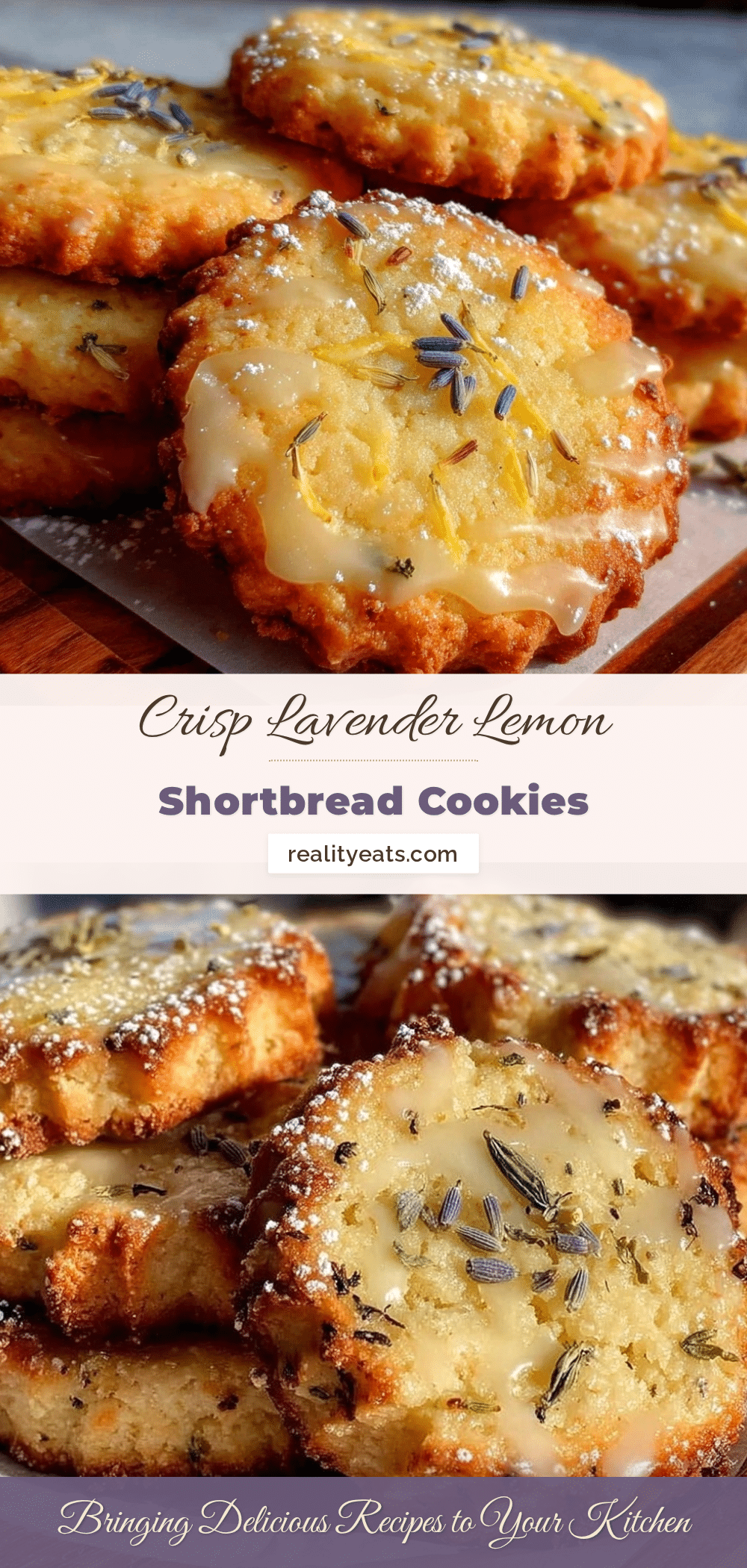
Crispy Lavender Lemon Shortbread Cookies with Glaze

These crispy lavender lemon shortbread cookies feature a delicate floral-herbal flavor balanced with bright lemon zest and a smooth tangy glaze. Perfect for tea time or brunch, they offer a tender crumb with crisp edges and a subtle, unforgettable zing.
- Prep Time: 10 minutes
- Cook Time: 15-18 minutes
- Total Time: 30 minutes
- Yield: 24 cookies 1x
- Category: Dessert
- Cuisine: American
Ingredients
- 2 cups (250g) all-purpose flour
- 1 cup (227g) unsalted butter, softened
- 3/4 cup (90g) powdered sugar
- 2 tsp dried culinary lavender, finely crushed
- 1 tbsp fresh lemon zest
- 1/4 tsp salt
- 1 tsp vanilla extract
- For the glaze:
- 1 cup (120g) powdered sugar
- 2–3 tbsp fresh lemon juice
- Optional: a drop of vanilla extract
Instructions
- Preheat your oven to 350°F (175°C). Line a baking sheet with parchment paper or a silicone mat to prevent sticking.
- In a large bowl, beat 1 cup (227g) softened unsalted butter with 3/4 cup (90g) powdered sugar using an electric mixer on medium speed until light and fluffy, about 3-4 minutes.
- Mix in 1 tsp vanilla extract and 1 tbsp fresh lemon zest until evenly combined.
- In a separate bowl, whisk together 2 cups (250g) all-purpose flour, 2 tsp finely crushed dried culinary lavender, and 1/4 tsp salt. Gradually add this to the butter mixture, mixing on low speed or folding gently with a spatula until the dough just comes together. Avoid overmixing.
- Turn the dough onto a lightly floured surface. Roll it out to about 1/4-inch (6mm) thickness. Cut into preferred shapes about 2 inches (5cm) wide.
- Place cookies on the prepared baking sheet about 1 inch (2.5cm) apart. Bake for 15-18 minutes, or until edges turn light golden brown.
- Let the cookies cool on the baking sheet for 5 minutes, then transfer to a wire rack to cool completely.
- In a small bowl, whisk 1 cup (120g) powdered sugar with 2-3 tbsp fresh lemon juice until smooth and pourable but thick enough to coat. Add a drop of vanilla extract if desired.
- Once cookies are fully cooled, drizzle or brush the glaze on top. Let them sit for 20-30 minutes until the glaze is set but still tender.
Notes
Use food-grade culinary lavender only and crush gently to release aroma without powdering. Butter should be softened but not melted. Avoid overmixing after adding flour to keep cookies tender. Chill dough if too soft. Cool cookies completely before glazing to prevent sogginess. Adjust glaze consistency with lemon juice. For gluten-free, use 1:1 gluten-free flour blend; for dairy-free, substitute vegan butter and use coconut milk in glaze.
Nutrition
- Serving Size: 1 cookie
- Calories: 120
- Fat: 7
- Carbohydrates: 12
- Protein: 1
Keywords: lavender cookies, lemon shortbread, crispy cookies, homemade glaze, tea time cookies, easy cookie recipe, floral cookies