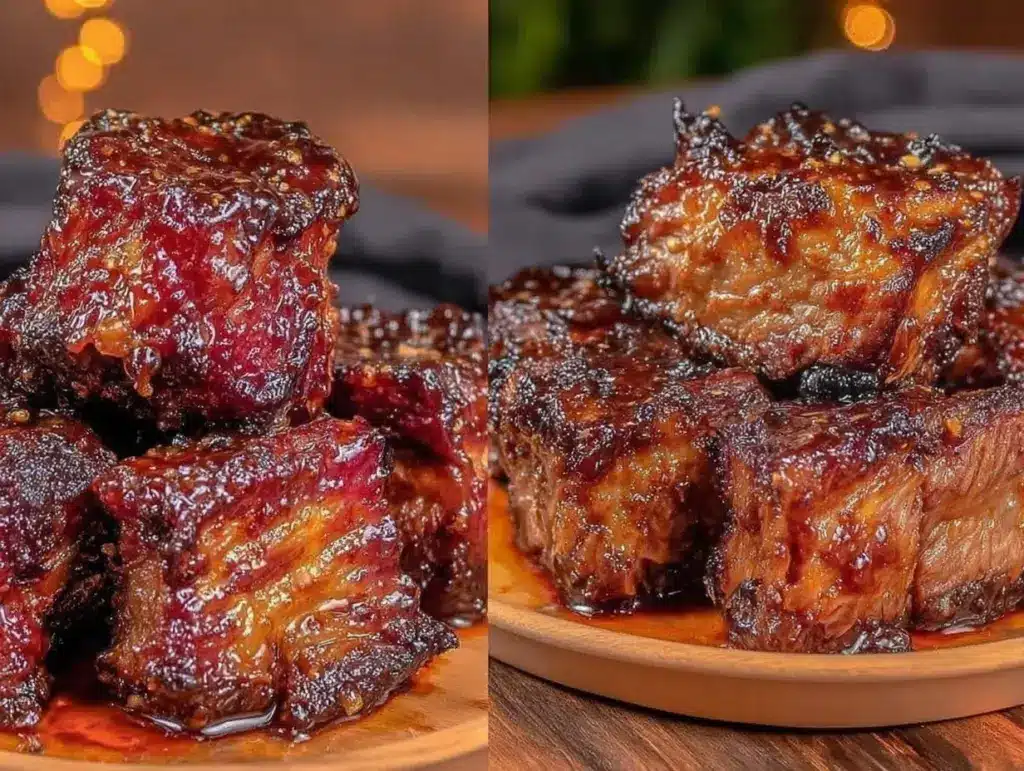
“You really think those little burnt pieces are the best part?” my friend asked, eyes narrowing as I pulled the foil off the smoker. Honestly, I was skeptical myself the first time I tried making flavorful smoked beef brisket burnt ends with Kansas City glaze. It started on a slow Sunday afternoon when the brisket on hand was a bit tougher than expected. Instead of tossing it aside, I chopped it into cubes, dunked them in a homemade glaze, and threw them back in the smoker. The aroma that filled the backyard was something else — sweet, smoky, sticky, and utterly addictive.
That day, what was meant to be a backup plan turned into a ritual. I found myself making burnt ends multiple times in one week, tweaking the glaze and the smoke levels. It wasn’t just a recipe; it became a moment of quiet joy — the crackle of the smoker, the caramelizing sauce, and the first bite, which was like a smoky little burst of heaven. Since then, this recipe stuck with me, not just because it’s delicious, but because it’s comfort and celebration rolled into one.
What’s wild is how such humble burnt bits, often overlooked, carry so much flavor and character. This smoky beef brisket burnt ends recipe with the classic Kansas City glaze doesn’t just taste good — it invites you to slow down, savor, and share. I can’t wait for you to get that same cozy, smoky feeling in your kitchen.
Why You’ll Love This Recipe
Making flavorful smoked beef brisket burnt ends with Kansas City glaze has been a game-changer in my BBQ repertoire. After countless trials, I can confidently say this recipe is a standout for many reasons:
- Quick & Easy: While it’s authentic barbecue, the method breaks down into manageable steps, and the glaze comes together in minutes, making it perfect for weekend gatherings or special dinners.
- Simple Ingredients: You won’t need exotic spices or hard-to-find sauces. Most of the ingredients are pantry staples or easy to grab from your local store.
- Perfect for Celebrations: Whether it’s a backyard cookout, a game day feast, or a potluck, this recipe shines as a crowd-pleaser that folks remember.
- Crowd-Pleaser: The rich smokiness combined with the sweet, tangy Kansas City glaze hits all the right notes for kids and adults alike.
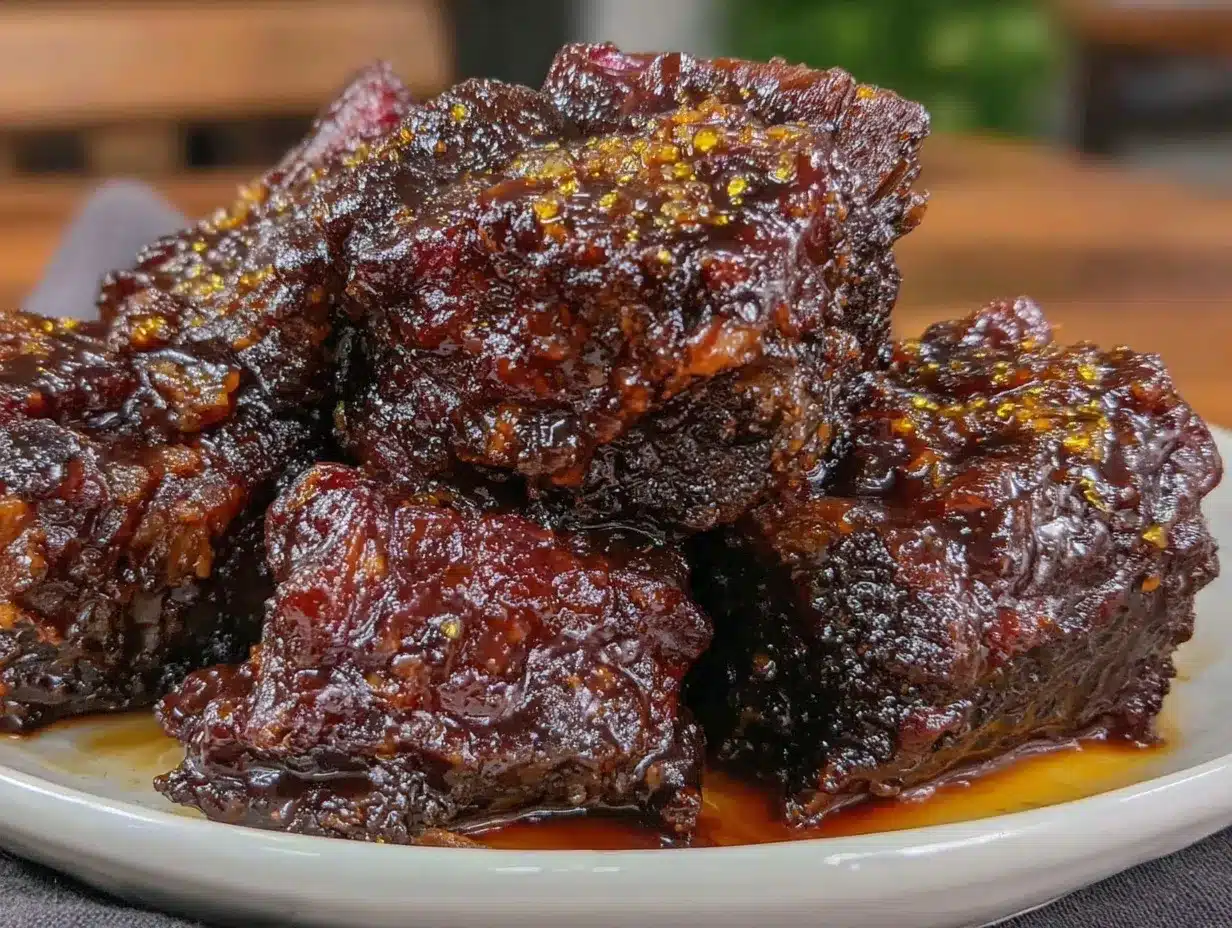
- Unbelievably Delicious: The caramelized edges, tender interior, and sticky glaze create that magical burnt end texture and flavor you crave in smoked BBQ.
This isn’t just another burnt ends recipe — it’s the one I’ve perfected after tasting dozens of variations. The secret lies in balancing the smoke, the seasoning, and a glaze that’s sticky but not overpowering. Plus, I’ve found that cutting the brisket into perfect bite-sized chunks before glazing lets every piece soak up that smoky-sweet goodness evenly.
Once you try this, it’ll feel like you’ve unlocked barbecue’s best-kept secret. It’s the kind of dish that makes guests ask for seconds without you having to beg — and honestly, that’s the best compliment in my book.
What Ingredients You Will Need
This recipe keeps things straightforward, using quality ingredients that work together to deliver bold flavor without fuss. Here’s what you’ll gather for your burnt ends:
- Beef Brisket Point Cut: About 4-5 pounds (1.8-2.3 kg), trimmed but with some fat left for moisture and flavor.
- Dry Rub:
- 2 tbsp paprika (smoked if possible for extra depth)
- 1 tbsp brown sugar (adds sweetness and caramelization)
- 1 tbsp kosher salt
- 1 tbsp black pepper, freshly ground
- 1 tsp garlic powder
- 1 tsp onion powder
- 1/2 tsp cayenne pepper (optional, for heat)
- Kansas City Glaze:
- 1 cup ketchup (I like Heinz for classic flavor)
- 1/2 cup molasses (for that deep, rich sweetness)
- 1/4 cup apple cider vinegar (balances sweetness with tang)
- 1/4 cup brown sugar
- 2 tbsp Worcestershire sauce
- 1 tsp smoked paprika
- 1/2 tsp black pepper
- 1/2 tsp garlic powder
- Wood Chips or Chunks for Smoking: Hickory or oak are my go-tos for a robust smoky flavor.
- Optional: A few dashes of hot sauce or mustard in the glaze for a slight kick.
Each ingredient plays a specific role — the dry rub builds a flavorful crust, the glaze adds sticky sweetness and shine, and the brisket’s marbled fat ensures tenderness. If you want a gluten-free version, make sure your Worcestershire sauce is gluten-free, or substitute with coconut aminos.
Equipment Needed
- Smoker: Whether it’s an offset smoker, pellet smoker, or electric smoker, you’ll want consistent low heat around 225°F (107°C). If you don’t have a smoker, a grill set up for indirect heat works too.
- Meat Thermometer: Essential for checking internal temperature — accuracy here is the difference between tough and tender burnt ends.
- Sharp Chef’s Knife: For trimming and cubing the brisket — a good, sharp knife makes this step easier and safer.
- Mixing Bowls: For combining the dry rub and glaze ingredients.
- Aluminum Foil or Pans: To wrap and hold the burnt ends during the final glazing stage.
- Tongs: For safely handling hot meat.
If you’re on a budget, a basic charcoal grill with a water pan can substitute for a smoker, but you’ll need to monitor the temperature closely. I’ve also found that investing in a wireless thermometer probe saves me from hovering over the smoker all day — seriously, it’s a game changer for multitasking.
Preparation Method
- Trim the Brisket: Trim excess fat from the brisket point, leaving about 1/4 inch (6 mm) of fat cap for moisture retention. This usually takes about 10-15 minutes. A well-trimmed brisket will smoke more evenly.
- Apply the Dry Rub: Mix all dry rub ingredients together in a bowl. Coat the brisket generously on all sides—don’t be shy here. Let it sit at room temperature for 30 minutes to absorb the flavors.
- Preheat Your Smoker: Get your smoker to a steady 225°F (107°C). Add your wood chips or chunks—hickory is my favorite for burnt ends. This step takes about 20-30 minutes depending on your setup.
- Smoke the Brisket: Place the brisket fat side up on the smoker grate. Close the lid and smoke for about 4-5 hours or until the internal temperature reaches 165°F (74°C). This is a crucial point where the meat develops a deep smoke ring and bark.
- Wrap and Continue Cooking: Wrap the brisket tightly in foil or butcher paper and return it to the smoker. Continue cooking until it hits 195°F (90°C) to 203°F (95°C) — this usually takes another 2-3 hours. The meat should be tender and easily pierced with a fork.
- Cut into Cubes: Remove the brisket from the smoker and let it rest for about 20 minutes. Then, slice the point into roughly 1-inch (2.5 cm) cubes.
- Prepare the Kansas City Glaze: Whisk all glaze ingredients in a saucepan over medium heat. Simmer gently for 10 minutes until thickened and fragrant. This glaze makes all the difference.
- Coat the Burnt Ends: Toss the brisket cubes in the warm glaze until well-coated.
- Final Smoke: Place the glazed cubes in a foil pan and return to the smoker for an additional 1 hour at 225°F (107°C). This step caramelizes the glaze and crisps the edges, creating that signature burnt end texture.
- Serve Warm: Remove from smoker and serve immediately for the best texture—sticky, sweet, and smoky perfection.
Pro tip: Keep a spray bottle of apple juice handy during the smoke to spritz the brisket every hour before wrapping — it helps keep the meat moist and adds subtle sweetness.
Cooking Tips & Techniques
Smoking beef brisket burnt ends isn’t rocket science, but there are a few tricks I’ve learned the hard way (because, yes, I’ve had my share of dry, tough bites). Here’s what really matters:
- Low and Slow: Patience is key. Keeping the smoker steady at 225°F (107°C) allows the collagen in the brisket to break down gently, yielding juicy, tender burnt ends.
- Don’t Skip the Rest: Letting the brisket rest after smoking redistributes the juices. Cutting into it too soon means losing all that flavorful moisture.
- Use a Reliable Thermometer: Guesswork is your enemy here. I’ve seen burnt ends dry out because the meat was pulled too early or left too long. A probe thermometer with alerts saves the day.
- Glaze Timing Matters: Applying the Kansas City glaze too early can cause burning. Wait until the final hour for that sticky, caramelized finish.
- Experiment with Wood: Hickory is classic, but oak or cherry wood can add unique flavor notes. Just avoid heavy fruit woods like apple unless you want a sweeter smoke.
- Don’t Overdo the Rub: Too much sugar in the rub can burn. Balance sweetness with salt and spices to avoid bitterness.
I remember one batch where I got impatient and pulled the burnt ends too soon — the texture was off and the glaze wasn’t sticky enough. Lesson learned: timing and temperature are everything with smoked brisket burnt ends.
Variations & Adaptations
If you want to mix things up or tailor this recipe to your dietary needs, here are a few ideas that worked well for me:
- Spicy Kick: Add cayenne or chipotle powder to the dry rub and a splash of hot sauce to the glaze for a smoky heat that wakes up the palate.
- Sweet & Fruity: Swap molasses in the glaze for honey or maple syrup and add a handful of diced pineapple or cherries to the final smoke pan for a tropical twist.
- Gluten-Free: Use gluten-free Worcestershire sauce and double-check your ketchup label. This recipe adapts easily without sacrificing flavor.
- Oven Method: If you don’t have a smoker, slow roast the brisket at 275°F (135°C) until tender, then follow the cubing and glazing steps and finish under the broiler for caramelization.
- Mustard Base: Some barbecue lovers swear by a mustard slather beneath the rub for tang and bark texture. I’ve tried it on a whim, and it adds a nice layer of complexity.
Personally, I once experimented with adding a splash of bourbon to the glaze — the smoky sweetness that gave was unexpectedly good, though it’s definitely a flavor for grown-up gatherings.
Serving & Storage Suggestions
Serve your flavorful smoked beef brisket burnt ends with Kansas City glaze warm, straight off the smoker for the best texture. They’re perfect as finger food with a side of pickles or on a sturdy bun as a slider.
For a full meal, pair burnt ends with creamy sides like creamy chicken Caesar pasta salad or a fresh crunch from a Southwest chipotle salad. The smoky richness balances beautifully with lighter, tangy flavors.
Leftovers store well in an airtight container in the fridge for up to 4 days. Reheat gently in a low oven (around 300°F or 150°C) covered with foil to avoid drying out. You can also reheat on the stovetop over low heat with a splash of water or broth to keep things moist.
Burnt ends taste even better the next day as the flavors meld and deepen. I’ll often make them ahead for parties so they have time to rest overnight before reheating to serve.
Nutritional Information & Benefits
Per serving (about 4 oz or 113 g):
| Calories | 320 |
|---|---|
| Protein | 28g |
| Fat | 20g |
| Carbohydrates | 8g |
| Sugar | 6g |
The brisket provides a solid dose of protein and iron, essential for energy and muscle maintenance. The fat content, while higher, contributes to the rich mouthfeel and satiety. Using natural sweeteners like molasses and brown sugar adds minerals like calcium and potassium in small amounts.
This recipe is naturally gluten-free and can be adapted for lower sugar by reducing the glaze sweetness. Just be mindful that the glaze’s balance is what gives burnt ends their signature sticky, flavorful crust.
Conclusion
This flavorful smoked beef brisket burnt ends with Kansas City glaze recipe has become one of those dishes I turn to when I want to impress without stress. It’s approachable, packed with smoky-sweet flavor, and pretty forgiving once you get the hang of the smoke and timing.
Feel free to tweak the glaze or rub to suit your palate — whether you like it hotter, sweeter, or more tangy, it’s easy to make this recipe your own. What matters most is that you get that tender, caramelized bite that keeps you reaching for just one more.
When I fire up my smoker now, the smell of those burnt ends reminds me why I love cooking — it’s about sharing moments that stick with you long after the last bite.
FAQs About Flavorful Smoked Beef Brisket Burnt Ends
How long does it take to make smoked beef brisket burnt ends?
Plan for roughly 7-9 hours total including smoking, wrapping, resting, and the final glaze smoke. It’s a low and slow process for perfect tenderness.
Can I make burnt ends without a smoker?
Yes, you can slow roast the brisket in an oven and finish under the broiler with the glaze to mimic the caramelization, though it won’t have quite the same smoky depth.
What cut of brisket is best for burnt ends?
The point cut is preferred because of its marbling and tenderness, which make for juicy burnt ends.
How do I know when the brisket is done smoking?
Use a meat thermometer — the internal temperature should reach between 195°F (90°C) and 203°F (95°C) when unwrapped for tender results.
Can I prepare the glaze ahead of time?
Absolutely! The Kansas City glaze can be made a day or two in advance and stored in the fridge. Just warm it gently before coating the burnt ends.
Pin This Recipe!
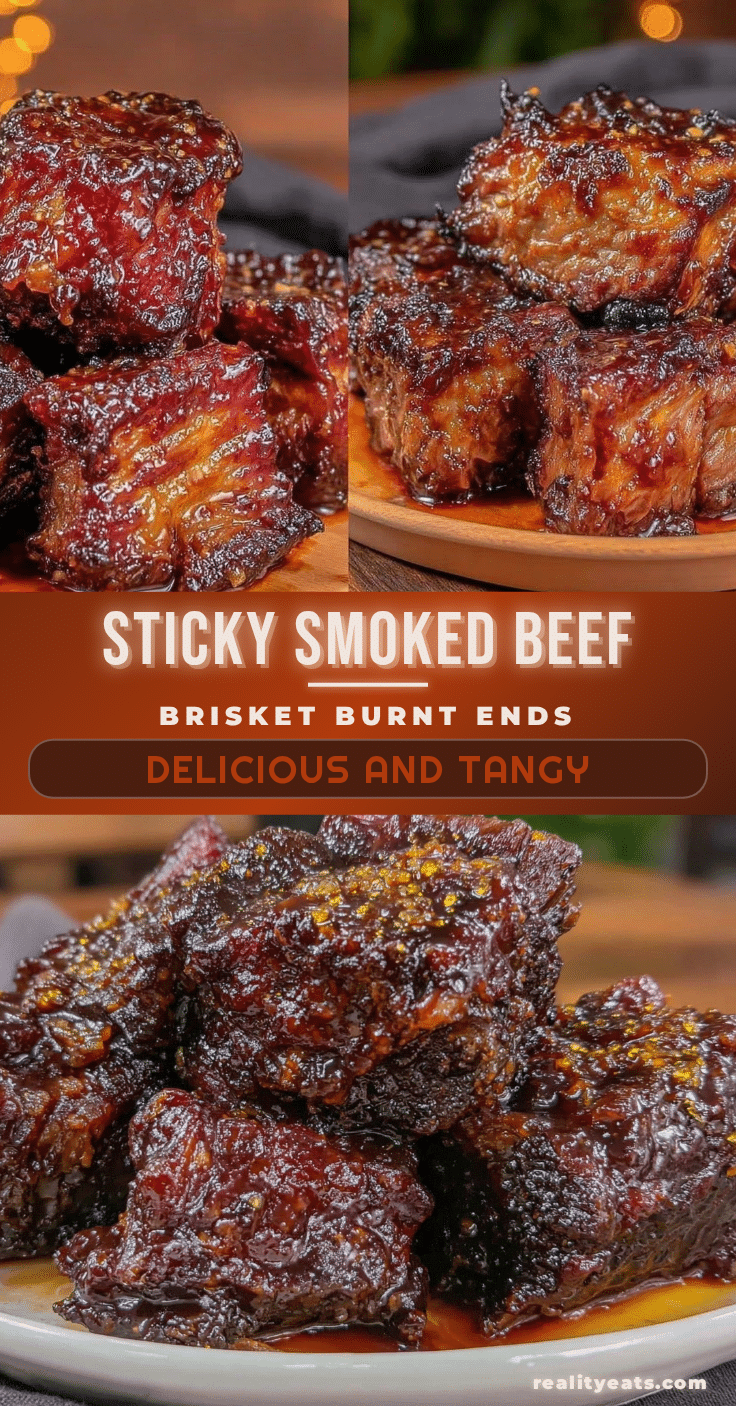
Flavorful Smoked Beef Brisket Burnt Ends Recipe with Perfect Kansas City Glaze

A delicious smoked beef brisket burnt ends recipe featuring a sweet and tangy Kansas City glaze, perfect for BBQ gatherings and celebrations.
- Prep Time: 45 minutes
- Cook Time: 7 hours 15 minutes
- Total Time: 8 hours
- Yield: 6-8 servings 1x
- Category: Main Course
- Cuisine: American BBQ
Ingredients
- 4–5 pounds beef brisket point cut, trimmed with some fat left
- Dry Rub:
- 2 tbsp smoked paprika
- 1 tbsp brown sugar
- 1 tbsp kosher salt
- 1 tbsp freshly ground black pepper
- 1 tsp garlic powder
- 1 tsp onion powder
- 1/2 tsp cayenne pepper (optional)
- Kansas City Glaze:
- 1 cup ketchup
- 1/2 cup molasses
- 1/4 cup apple cider vinegar
- 1/4 cup brown sugar
- 2 tbsp Worcestershire sauce (gluten-free if needed)
- 1 tsp smoked paprika
- 1/2 tsp black pepper
- 1/2 tsp garlic powder
- Wood chips or chunks for smoking (hickory or oak preferred)
- Optional: a few dashes of hot sauce or mustard in the glaze
Instructions
- Trim excess fat from the brisket point, leaving about 1/4 inch of fat cap for moisture retention.
- Mix all dry rub ingredients together and coat the brisket generously on all sides. Let sit at room temperature for 30 minutes.
- Preheat smoker to 225°F (107°C) and add wood chips or chunks.
- Place brisket fat side up on smoker grate and smoke for 4-5 hours until internal temperature reaches 165°F (74°C).
- Wrap brisket tightly in foil or butcher paper and return to smoker. Continue cooking until internal temperature reaches 195°F (90°C) to 203°F (95°C), about 2-3 hours.
- Remove brisket from smoker and let rest for 20 minutes. Cut into roughly 1-inch cubes.
- Prepare Kansas City glaze by whisking all glaze ingredients in a saucepan over medium heat. Simmer for 10 minutes until thickened.
- Toss brisket cubes in warm glaze until well coated.
- Place glazed cubes in a foil pan and return to smoker for an additional 1 hour at 225°F (107°C) to caramelize glaze and crisp edges.
- Remove from smoker and serve warm.
Notes
Keep a spray bottle of apple juice handy to spritz the brisket every hour before wrapping to keep it moist. Use a reliable thermometer to avoid over or undercooking. Apply glaze only during the final hour to prevent burning. Hickory wood is preferred but oak or cherry can be used for different smoke flavors. For gluten-free, use gluten-free Worcestershire sauce or substitute with coconut aminos.
Nutrition
- Serving Size: About 4 oz (113 g) p
- Calories: 320
- Sugar: 6
- Fat: 20
- Carbohydrates: 8
- Protein: 28
Keywords: smoked beef brisket, burnt ends, Kansas City glaze, BBQ, smoked meat, brisket burnt ends, smoked brisket recipe