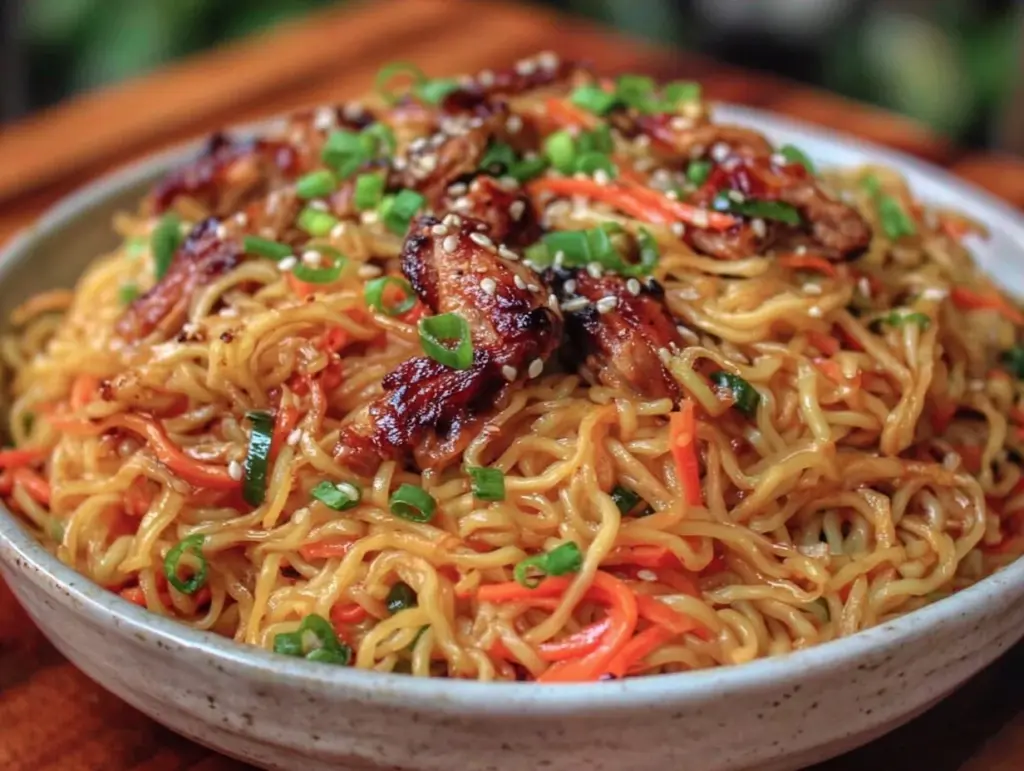
The sizzle of noodles hitting a hot wok, the mingling aroma of soy sauce, garlic, and tender vegetables—honestly, nothing quite beats homemade Cantonese chow mein. The first time I tried making this dish at home, I was amazed at how a few simple ingredients transformed into a plate of pure comfort. It’s not just about the taste; it’s the whole experience—the snap of the noodles, the slight char, and the savory sauce that clings to every strand. This irresistible Cantonese chow mein recipe has become a staple in my kitchen, especially on nights when I want something quick but satisfying.
Back when I was first learning to cook authentic Chinese dishes, I found many chow mein recipes overly complicated or missing that signature “wok hei” flavor. After testing, tweaking, and cooking this recipe dozens of times, I finally nailed a version that’s straightforward yet packed with that classic Cantonese flair. If you’re craving a homemade noodle dish that’s both comforting and impressive, this recipe will have you covered. Plus, it’s perfect for busy weeknights or whenever you want to impress without stress.
This irresistible Cantonese chow mein recipe is a reminder that great food doesn’t have to be complicated. Whether you’re a noodle lover or just looking for a tasty, quick meal, you’ll love how this dish comes together with familiar ingredients and simple techniques. Trust me, once you make it, it’ll become your go-to noodle dish too.
Why You’ll Love This Recipe
After cooking this irresistible Cantonese chow mein recipe more times than I can count, I’ve gathered a few reasons why it’s become a favorite in my household—and I think you’ll agree:
- Quick & Easy: Ready in under 30 minutes, making it perfect for busy weeknights or last-minute dinner plans.
- Simple Ingredients: No need for fancy or hard-to-find items; most are pantry staples or easy to grab at any grocery store.
- Perfect for Any Occasion: Whether it’s a casual family dinner, a potluck, or impressing guests, this noodle dish fits right in.
- Crowd-Pleaser: Kids, adults, picky eaters—everyone loves the satisfying texture and savory flavors.
- Unbelievably Delicious: The balance of tender noodles, crunchy veggies, and savory sauce hits all the right notes every time.
What sets this recipe apart is the attention to technique—like blanching the noodles just right and tossing everything in a blazing hot wok to capture that signature “wok hei.” Plus, the sauce is perfectly balanced so it doesn’t overpower the fresh ingredients. Honestly, it’s the kind of chow mein that makes you close your eyes and savor each bite. It’s comfort food with soul, but lighter and fresher than takeout. If you want a homemade noodle dish that’s as satisfying as your favorite restaurant version, this recipe is the way to go.
What Ingredients You Will Need
This irresistible Cantonese chow mein recipe uses simple, wholesome ingredients to deliver bold flavors and a satisfying texture without fuss. Most of these items are pantry staples or easy to find at any supermarket, so you won’t need a special trip to an Asian market—unless you want to!
- Fresh Egg Noodles: About 8 oz (225 g), preferably thin Cantonese-style chow mein noodles (you can find these refrigerated or dried; fresh works best for texture).
- Vegetable Oil: 2-3 tablespoons, for stir-frying (I like using peanut or canola oil for a neutral flavor).
- Garlic: 3 cloves, minced (adds that unmistakable savory aroma).
- Ginger: 1 tablespoon, freshly grated (gives a subtle zing).
- Green Onions: 3 stalks, sliced (both white and green parts for flavor and color).
- Bean Sprouts: 1 cup (about 100 g), rinsed and drained (for crunch and freshness).
- Shiitake Mushrooms: 4-5, sliced thinly (optional but adds umami depth; fresh or dried rehydrated both work).
- Carrot: 1 medium, julienned (for sweetness and color).
- Snow Peas or Snap Peas: 1/2 cup, trimmed (adds a crisp bite).
- Light Soy Sauce: 2 tablespoons (the base of the savory sauce; use a trusted brand like Kikkoman).
- Oyster Sauce: 1 tablespoon (adds richness and a slight sweetness, but you can swap with vegetarian mushroom sauce if preferred).
- Sesame Oil: 1 teaspoon (for that toasty, nutty finish).
- White Pepper: 1/4 teaspoon (optional, for gentle heat).
- Salt: To taste (be cautious as soy sauce adds saltiness).
- Chicken, Beef, Shrimp, or Tofu: 6 oz (170 g), thinly sliced (optional protein to make it a full meal).
Pro Tip: If you can’t find fresh egg noodles, dried versions work fine—just cook them a few minutes less to keep the chew. For a gluten-free option, try rice noodles, but note the texture will differ from traditional chow mein. Using fresh, firm mushrooms and crisp vegetables makes all the difference in texture and flavor, so try to avoid soggy or wilted produce where possible.
Equipment Needed
- Wok or Large Skillet: A wok is ideal for that high-heat sear and quick tossing. If you don’t have one, a large, heavy-bottomed skillet works too.
- Large Pot: For boiling or blanching the noodles before stir-frying.
- Slotted Spoon or Spider Strainer: Handy for removing noodles from boiling water without extra liquid.
- Sharp Knife and Cutting Board: For prepping vegetables and protein quickly and safely.
- Mixing Bowls: To prep and hold ingredients before cooking.
- Tongs or Chopsticks: Useful for tossing noodles and stirring during cooking.
If you’re cooking on a budget, a non-stick skillet and a colander can stand in just fine for wok and strainer. I personally love using a carbon steel wok for its quick heating, but it does require seasoning and care to prevent rust. When washing, avoid soap and dry immediately. If you’re new to stir-frying, a wok spatula or wooden spoon helps move ingredients around efficiently without scratching your pan.
Detailed Preparation Method
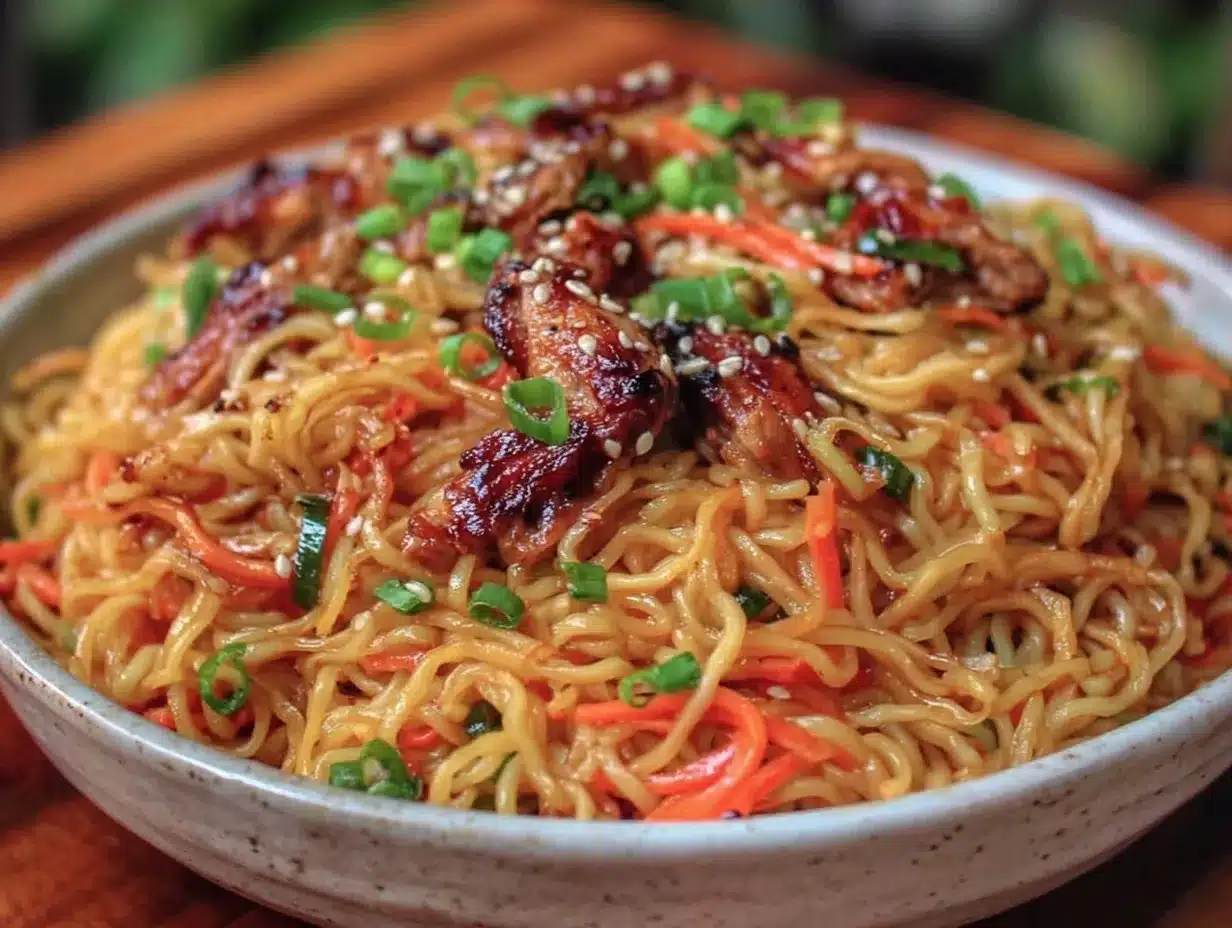
- Prep Your Ingredients (10 minutes): Slice your protein thinly against the grain for tenderness. Julienne carrots, slice mushrooms, trim peas, and mince garlic and ginger. Rinse bean sprouts and green onions. Having everything ready before cooking is key since stir-frying happens fast.
- Cook the Noodles (5 minutes): Bring a large pot of water to a boil. Add the fresh egg noodles and cook according to package instructions—usually 2-3 minutes for fresh, slightly less if dried. You want them just tender but firm (al dente). Drain immediately using a slotted spoon or colander and rinse under cold water to stop cooking and prevent sticking. Toss with a little oil to keep separate.
- Cook Protein (4-5 minutes): Heat 1 tablespoon of vegetable oil in your wok over high heat until shimmering. Add the sliced protein and stir-fry until cooked through and lightly browned. Remove from wok and set aside. Cooking on high heat quickly locks in juices and flavor.
- Stir-Fry Vegetables (3-4 minutes): Add another tablespoon of oil to the wok. Toss in garlic, ginger, and white parts of the green onions; stir for 20 seconds until fragrant. Add carrots, mushrooms, peas, and bean sprouts. Stir-fry until vegetables are tender-crisp but still vibrant, about 2-3 minutes.
- Add Noodles and Sauce (3-4 minutes): Return cooked protein to the wok along with noodles. Pour in soy sauce, oyster sauce, and a sprinkle of white pepper. Using tongs or chopsticks, toss everything quickly and evenly to coat noodles and heat through. The goal is to get some slight browning or “wok hei” flavor without burning.
- Finish and Serve (1 minute): Drizzle sesame oil over the top and toss once more. Add the green parts of the green onions, give a final stir, and transfer to a serving dish immediately while hot and steamy.
Tip: Keep the heat high and make sure your ingredients are dry before adding to the wok to avoid steaming instead of frying. If your noodles stick together, a quick splash of water or broth during tossing will loosen them up. Don’t overcook the vegetables—they should have a little crunch to contrast the soft noodles.
Cooking Tips & Techniques
Stir-frying is all about speed, heat, and prep. Here are some tips to make your irresistible Cantonese chow mein shine:
- High Heat is Essential: Your wok or pan should be very hot before adding oil. This prevents soggy noodles and helps develop flavor from caramelization.
- Dry Your Ingredients: Excess moisture causes steaming instead of frying. Pat proteins and veggies dry before cooking.
- Don’t Overcrowd the Pan: Cook in batches if needed. Overcrowding drops temperature and results in soggy noodles.
- Prep Everything Beforehand: Stir-frying moves fast. Have all ingredients ready and within reach.
- Use the Right Noodles: Traditional thin egg noodles hold up best. Avoid thicker or softer noodles that get mushy.
- Toss Don’t Stir: Use a quick tossing motion to evenly cook and coat noodles instead of stirring like a stew.
One personal lesson learned: I used to skip rinsing the noodles after boiling, which made them clump and get gummy. Now, a quick cold rinse and light oil toss keeps them perfectly separate. Also, adding a splash of water or broth during tossing helps create a silky sauce that clings just right.
Variations & Adaptations
This irresistible Cantonese chow mein recipe is super adaptable. Here are some ways you can mix it up:
- Vegetarian Version: Skip the meat and double up on mushrooms, tofu, or tempeh. Use vegetarian oyster sauce or mushroom sauce to keep the umami flavor.
- Spicy Twist: Add a teaspoon of chili garlic sauce or fresh sliced chilies when stir-frying garlic and ginger for a fiery kick.
- Gluten-Free Option: Swap egg noodles for rice noodles and use tamari or gluten-free soy sauce. Cooking times might vary, so keep an eye on noodles.
- Protein Swaps: Shrimp, thinly sliced beef, or chicken all work great. For a quick option, use pre-cooked rotisserie chicken.
- Seasonal Veggies: In spring or summer, swap in asparagus tips, baby corn, or snap peas for fresh, seasonal crunch.
Once, I tried adding roasted cashews and a splash of hoisin sauce for a sweet-savory combo—totally delicious and a fun change-up for guests. Feel free to experiment with what you have and your flavor preferences!
Serving & Storage Suggestions
Serve this irresistible Cantonese chow mein piping hot straight from the wok. It’s fantastic on its own or paired with light sides like steamed bok choy, cucumber salad, or even hot and sour soup. For drinks, a cold jasmine tea or a crisp lager complements the savory flavors nicely.
If you have leftovers, store them in an airtight container in the refrigerator for up to 2 days. When reheating, add a splash of water or broth and gently toss in a hot skillet or microwave to revive the noodles’ texture and prevent drying out. Flavors often deepen after resting overnight, so sometimes leftovers taste even better!
For longer storage, chow mein freezes okay but noodles might get softer after thawing. If freezing, separate noodles from sauce and veggies if possible, then combine when reheating.
Nutritional Information & Benefits
This irresistible Cantonese chow mein recipe packs a balanced mix of carbs, protein, and veggies. Per serving (about 1.5 cups), it provides roughly:
| Nutrient | Estimate |
|---|---|
| Calories | 350-400 kcal |
| Protein | 20-25 g (depending on protein choice) |
| Carbohydrates | 40-45 g |
| Fat | 10-12 g |
| Fiber | 3-5 g |
Key ingredients like garlic and ginger offer anti-inflammatory benefits, while the fresh veggies add vitamins and fiber. Using lean proteins keeps it light but filling. If you choose gluten-free noodles, this dish suits many dietary needs. Just watch out for soy sauce if you’re sensitive to sodium or gluten.
Conclusion
Honestly, this irresistible Cantonese chow mein recipe is a keeper. It’s quick, simple, and full of the flavors that make you feel like you’re dining at a favorite neighborhood spot. What I love most is how adaptable it is—you can tailor it to your pantry, preferences, and dietary needs without losing the soul of the dish.
Give it a try, tweak it a bit to make it yours, and don’t forget to share your experience! Cooking this noodle dish at home brings a little joy and comfort to the table, and I’m sure it will for you too. Happy cooking, and may your wok always be hot!
FAQs
Can I use dried noodles instead of fresh egg noodles?
Yes, dried egg noodles work fine. Just cook them slightly less than package instructions to keep them firm, then rinse with cold water to stop cooking.
What if I don’t have oyster sauce?
You can substitute with vegetarian mushroom sauce or a mix of soy sauce and a tiny bit of sugar for sweetness. It won’t be exactly the same but still tasty.
How do I prevent noodles from sticking together?
Rinse cooked noodles under cold water and toss with a little oil immediately after draining. During stir-frying, tossing quickly and adding a splash of water or broth helps keep them loose.
Can I make this recipe vegetarian or vegan?
Absolutely! Skip the meat and use tofu or extra veggies. Use vegetarian oyster sauce and avoid animal-based ingredients to keep it vegan.
What’s the best way to store leftover chow mein?
Store leftovers in an airtight container in the fridge for up to 2 days. Reheat gently with a splash of water in a pan or microwave to restore moisture.
Pin This Recipe!

Irresistible Cantonese Chow Mein Recipe Easy Homemade Noodle Dish

A quick and easy homemade Cantonese chow mein recipe featuring fresh egg noodles, savory sauce, and crisp vegetables, perfect for busy weeknights or impressing guests.
- Prep Time: 10 minutes
- Cook Time: 15-17 minutes
- Total Time: 25-27 minutes
- Yield: 4 servings 1x
- Category: Main Course
- Cuisine: Chinese, Cantonese
Ingredients
- 8 oz fresh egg noodles (preferably thin Cantonese-style chow mein noodles)
- 2–3 tablespoons vegetable oil (peanut or canola oil preferred)
- 3 cloves garlic, minced
- 1 tablespoon freshly grated ginger
- 3 stalks green onions, sliced (white and green parts)
- 1 cup bean sprouts (about 100 g), rinsed and drained
- 4–5 shiitake mushrooms, sliced thinly (optional)
- 1 medium carrot, julienned
- 1/2 cup snow peas or snap peas, trimmed
- 2 tablespoons light soy sauce
- 1 tablespoon oyster sauce (or vegetarian mushroom sauce as substitute)
- 1 teaspoon sesame oil
- 1/4 teaspoon white pepper (optional)
- Salt to taste
- 6 oz thinly sliced chicken, beef, shrimp, or tofu (optional protein)
Instructions
- Prep your ingredients: slice protein thinly against the grain, julienne carrots, slice mushrooms, trim peas, mince garlic and ginger, rinse bean sprouts and green onions. (10 minutes)
- Cook the noodles: bring a large pot of water to a boil, add fresh egg noodles and cook 2-3 minutes until al dente. Drain using a slotted spoon or colander, rinse under cold water to stop cooking, and toss with a little oil to keep separate. (5 minutes)
- Cook protein: heat 1 tablespoon vegetable oil in wok over high heat until shimmering. Add sliced protein and stir-fry until cooked through and lightly browned. Remove from wok and set aside. (4-5 minutes)
- Stir-fry vegetables: add another tablespoon of oil to wok. Toss in garlic, ginger, and white parts of green onions; stir for 20 seconds until fragrant. Add carrots, mushrooms, peas, and bean sprouts. Stir-fry until vegetables are tender-crisp, about 2-3 minutes. (3-4 minutes)
- Add noodles and sauce: return cooked protein to wok along with noodles. Pour in soy sauce, oyster sauce, and white pepper. Toss quickly and evenly to coat noodles and heat through, aiming for slight browning or ‘wok hei’ flavor. (3-4 minutes)
- Finish and serve: drizzle sesame oil over the top, toss once more, add green parts of green onions, give a final stir, and transfer to serving dish immediately while hot. (1 minute)
Notes
Use fresh egg noodles for best texture; dried noodles can be used but cook slightly less. For gluten-free, substitute rice noodles and tamari or gluten-free soy sauce. Keep ingredients dry before stir-frying to avoid steaming. High heat is essential for wok hei flavor. Toss noodles quickly to prevent sticking; add splash of water or broth if needed. Avoid overcrowding the pan.
Nutrition
- Serving Size: About 1.5 cups per s
- Calories: 375
- Sugar: 4
- Sodium: 700
- Fat: 11
- Saturated Fat: 2
- Carbohydrates: 43
- Fiber: 4
- Protein: 22
Keywords: Cantonese chow mein, homemade chow mein, stir-fry noodles, egg noodles, quick dinner, easy Chinese recipe, wok hei, vegetable chow mein, protein chow mein