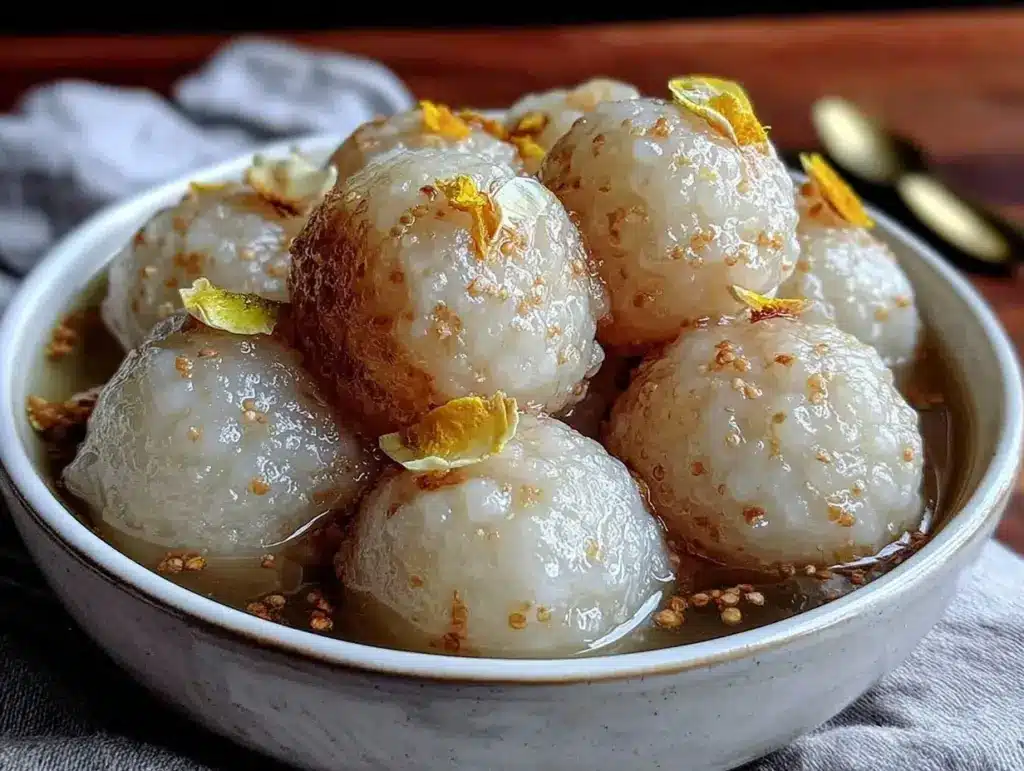
The first time I tasted tang yuan, I was instantly hooked by the chewy texture and the sweet surprise hidden inside. You know that satisfying feeling when you bite into something soft yet delightfully bouncy? That’s exactly what these traditional sweet rice balls bring to the table. Tang yuan, also known as sweet glutinous rice balls, have a special place in many Asian celebrations, but honestly, they’re perfect any time you crave comfort food with a little twist.
I remember making my very first batch of tang yuan at home—it was a bit messy, flour everywhere, but so worth it! Over the years, I’ve refined this irresistible tang yuan recipe to capture that authentic chewiness and balance of sweetness. It’s become a favorite for family gatherings and simple weekend treats alike.
What makes this recipe stand out is how easy it is to prepare yet how satisfying the results are. Whether you’re new to making tang yuan or a seasoned cook looking for a reliable recipe, this guide will walk you through every step. Plus, it’s a wonderful way to bring a bit of tradition and warmth into your kitchen. Get ready to enjoy homemade chewy sweet rice balls that might just become your new obsession!
Why You’ll Love This Recipe
- Quick & Easy: This recipe comes together in about 45 minutes, making it perfect for a cozy afternoon or last-minute dessert.
- Simple Ingredients: You probably already have the essentials like glutinous rice flour and sweet fillings in your pantry or fridge.
- Perfect for Celebrations: Tang yuan is traditionally enjoyed during Lantern Festival, but it’s also amazing for family dinners or casual get-togethers.
- Crowd-Pleaser: Kids and adults alike love these chewy balls filled with sweet surprises—everyone asks for seconds!
- Unbelievably Delicious: The chewy texture paired with sweet fillings like black sesame or peanut butter makes each bite a little moment of joy.
- Authentic Yet Adaptable: I’ve tested this recipe multiple times to get the chew just right, and it holds up beautifully whether you steam or boil the rice balls.
Honestly, this isn’t just another tang yuan recipe floating around. It’s the one I trust to deliver soft, chewy, sweet rice balls every single time. If you’ve ever been intimidated by making tang yuan at home, this recipe will change your mind. Let’s face it, once you try these, you’ll be dreaming of making them again!
What Ingredients You Will Need
This recipe uses simple, wholesome ingredients to deliver bold flavor and that signature chewy texture without any fuss. Most are pantry staples, and some might even be hiding in your fridge right now.
- Glutinous Rice Flour (200g / 1 2/3 cups): This is the star for chewy rice balls. Look for brands like Bob’s Red Mill or Thai Kitchen for consistent results.
- Warm Water (about 180ml / 3/4 cup): Helps bring the dough together smoothly.
- Sugar (2 tbsp): Adds a touch of sweetness to the dough itself.
For the Filling (choose one or mix):
- Black Sesame Paste (about 100g / 3.5 oz): Toast black sesame seeds and grind with sugar and lard or butter until smooth. Classic and nutty!
- Crushed Peanuts + Brown Sugar: A crunchy, sweet alternative that adds texture.
- Red Bean Paste: Smooth, sweet, and traditional in many regions.
For Serving:
- Ginger Syrup: Boil fresh ginger slices with water and rock sugar for a warming, fragrant broth to serve the tang yuan in.
If you want to switch things up, feel free to experiment with fillings like chocolate or coconut. I’ve even tried a sweet taro paste version, which was a hit! For gluten-free home cooks, glutinous rice flour is naturally gluten-free, so this recipe is safe for most gluten sensitivities.
Equipment Needed
- Mixing Bowl: A medium-sized bowl to combine the dough ingredients.
- Measuring Cups and Spoons: Precision helps get the chewy texture just right.
- Rolling Pin (optional): Handy if you want to flatten dough balls before adding filling, but your hands work just fine.
- Large Pot: For boiling the tang yuan. Make sure it’s deep enough so the rice balls can float freely.
- Slotted Spoon: To scoop the cooked rice balls out without breaking them.
Personally, I use a digital kitchen scale for accuracy, but measuring cups work well too. If you don’t have a slotted spoon, a spider strainer or even a slotted spatula can do the trick. No fancy tools required—this recipe is as budget-friendly as it is delicious.
Detailed Preparation Method
- Prepare the Dough: In a mixing bowl, combine 200g (1 2/3 cups) glutinous rice flour with 2 tablespoons sugar. Gradually add about 180ml (3/4 cup) warm water, mixing with your hands until a smooth dough forms. It should be soft but not sticky. If it’s too dry, add water a teaspoon at a time—too wet? Add a sprinkle of rice flour.
- Divide the Dough: Pinch off small pieces of dough about the size of a walnut (roughly 20g / 0.7 oz). Roll each piece into a smooth ball between your palms.
- Prepare the Filling: If you’re making black sesame filling, take about 15g (1 tbsp) of your paste and roll it into tiny balls. For peanut or red bean fillings, portion similarly.
- Assemble the Tang Yuan: Flatten a dough ball into a small disc using your fingers or a rolling pin. Place the filling in the center, then carefully wrap the dough around it, pinching edges closed. Roll gently back into a smooth ball. Repeat with remaining dough and filling.
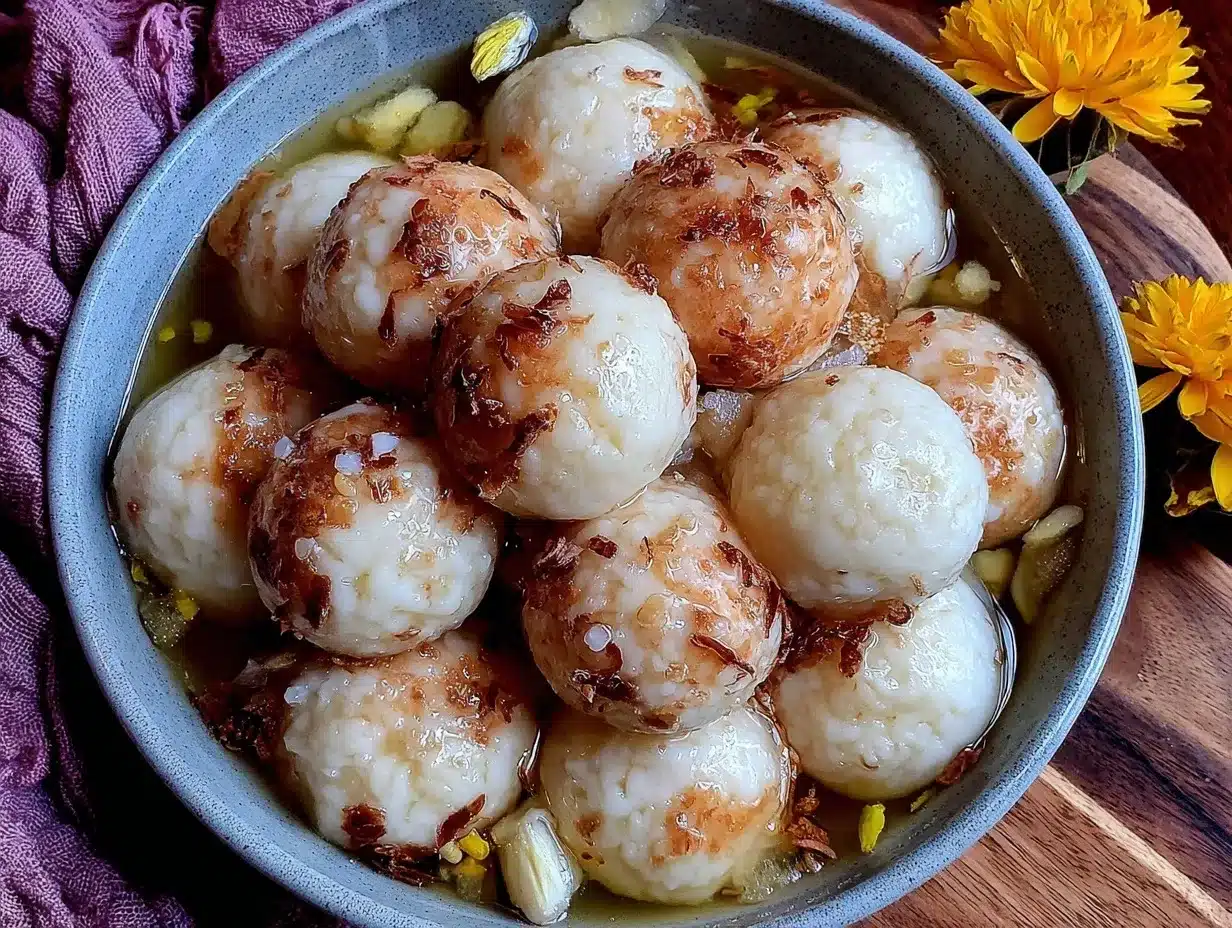
- Boil the Rice Balls: Bring a large pot of water to a boil. Drop in the tang yuan gently, stirring occasionally to prevent sticking. When they float to the surface (usually in 3-5 minutes), let cook for another 2 minutes to ensure the filling is warm.
- Prepare Ginger Syrup: While the rice balls cook, simmer 2 cups water with 5-6 slices of fresh ginger and 2 tablespoons rock sugar until fragrant and slightly thickened (about 10 minutes). Strain if desired.
- Serve: Use a slotted spoon to transfer cooked tang yuan into bowls. Ladle warm ginger syrup over them and enjoy immediately.
Pro tip: If your dough cracks when wrapping, add a bit more water to soften it up. Also, don’t rush the rolling—smooth balls make for the best chew and presentation. I always test cook one ball first to check the texture before proceeding.
Cooking Tips & Techniques
Making perfect tang yuan can feel tricky at first, but a few tricks make all the difference. First, the dough consistency is key—you want it soft enough to stretch but firm enough not to fall apart. I’ve learned the hard way that skipping the sugar in the dough makes the rice balls less tender.
When wrapping the filling, try not to overfill. Too much filling and the dough bursts during cooking. Conversely, too little filling can make the rice balls bland. Finding that balance takes a bit of practice (and tasting!).
Another tip is to stir gently after dropping the balls into boiling water—vigorous stirring can break them open. Also, don’t overcrowd the pot; give the tang yuan space to float freely. Cooking in batches helps.
Timing is important, too. Once they float, let them cook for an extra 2 minutes to ensure the filling is heated through but the dough remains chewy. If you want a softer texture, reduce the cooking time slightly, but personally, I like that classic chew.
Lastly, using freshly made ginger syrup adds a lovely warmth that balances the sweetness. If you’re in a rush, store-bought ginger syrup works fine, but homemade is worth the extra effort.
Variations & Adaptations
- Flavor Variations: Try fillings like chocolate ganache for a modern twist or coconut and palm sugar for a tropical vibe.
- Dietary Adaptations: Use coconut sugar instead of white sugar for a lower glycemic option. For vegan fillings, swap butter with coconut oil in your black sesame paste.
- Cooking Methods: Instead of boiling, you can steam tang yuan for a slightly different texture. Steaming takes about 10 minutes; just be gentle when handling.
- Seasonal Twists: Add small bits of fresh fruit or sweet potato in the filling during fall for a comforting seasonal touch.
Personally, I once made a festive red velvet tang yuan by adding beet juice to the dough and cream cheese filling. It was a hit and made the dessert feel extra special. Feel free to experiment and make this recipe your own!
Serving & Storage Suggestions
Serve tang yuan warm in ginger syrup for that perfect cozy bite. Garnish with a sprinkle of toasted sesame seeds or a few goji berries for extra flair. They pair beautifully with hot tea or light floral brews.
If you have leftovers, store them in an airtight container in the refrigerator for up to 2 days. To reheat, gently boil them again for a few minutes or microwave with a splash of water to keep them moist. The texture remains pleasantly chewy even after reheating.
Flavors actually deepen if you let the tang yuan sit a bit in the ginger syrup, so don’t hesitate to prepare ahead for dinner or dessert. Just be mindful that they’ll absorb more liquid over time and might become slightly softer.
Nutritional Information & Benefits
Each serving of tang yuan (about 4-5 rice balls) contains approximately 250-300 calories, mainly from carbohydrates and filling fats. Glutinous rice flour provides quick energy, while fillings like black sesame add healthy fats and minerals such as calcium and iron.
This recipe is naturally gluten-free, making it suitable for those avoiding gluten. The ginger syrup adds digestive benefits and a soothing warmth, especially in cooler months.
Though sweet, tang yuan can fit into a balanced diet when enjoyed in moderation. Personally, I find it’s a delightful occasional treat that brings comfort without feeling overly heavy.
Conclusion
If you’re looking for a recipe that brings tradition, flavor, and a little bit of fun into the kitchen, this irresistible tang yuan recipe is a winner. It’s approachable for beginners but delivers that authentic chewy sweet rice ball experience that keeps everyone coming back for more.
Don’t be afraid to customize the fillings or syrup to match your taste or dietary needs. After all, the best part of cooking at home is making recipes your own. I love how making tang yuan connects me with cultural roots while giving me a chance to get creative.
Give it a try, share your results, and drop a comment below about your favorite filling or twist. Happy cooking—and may your homemade sweet rice balls bring a little extra joy to your day!
FAQs
What is tang yuan?
Tang yuan are traditional Chinese sweet glutinous rice balls, often filled with sweet pastes like black sesame or red bean, served in a warm syrup.
Can I make tang yuan without filling?
Yes! Plain tang yuan are common and delicious, especially when served in ginger syrup. They have a lovely chewy texture on their own.
How do I prevent tang yuan from sticking together?
Lightly dust them with glutinous rice flour after shaping and stir gently while boiling to prevent sticking.
Can I freeze tang yuan?
Absolutely. Freeze shaped tang yuan on a tray, then transfer to a freezer bag. Boil them frozen when ready to eat—just add a minute or two to cooking time.
What if my tang yuan dough is too sticky or dry?
If sticky, add small amounts of rice flour and knead gently. If dry and cracking, add warm water little by little until smooth. Getting the right texture is key!
Pin This Recipe!
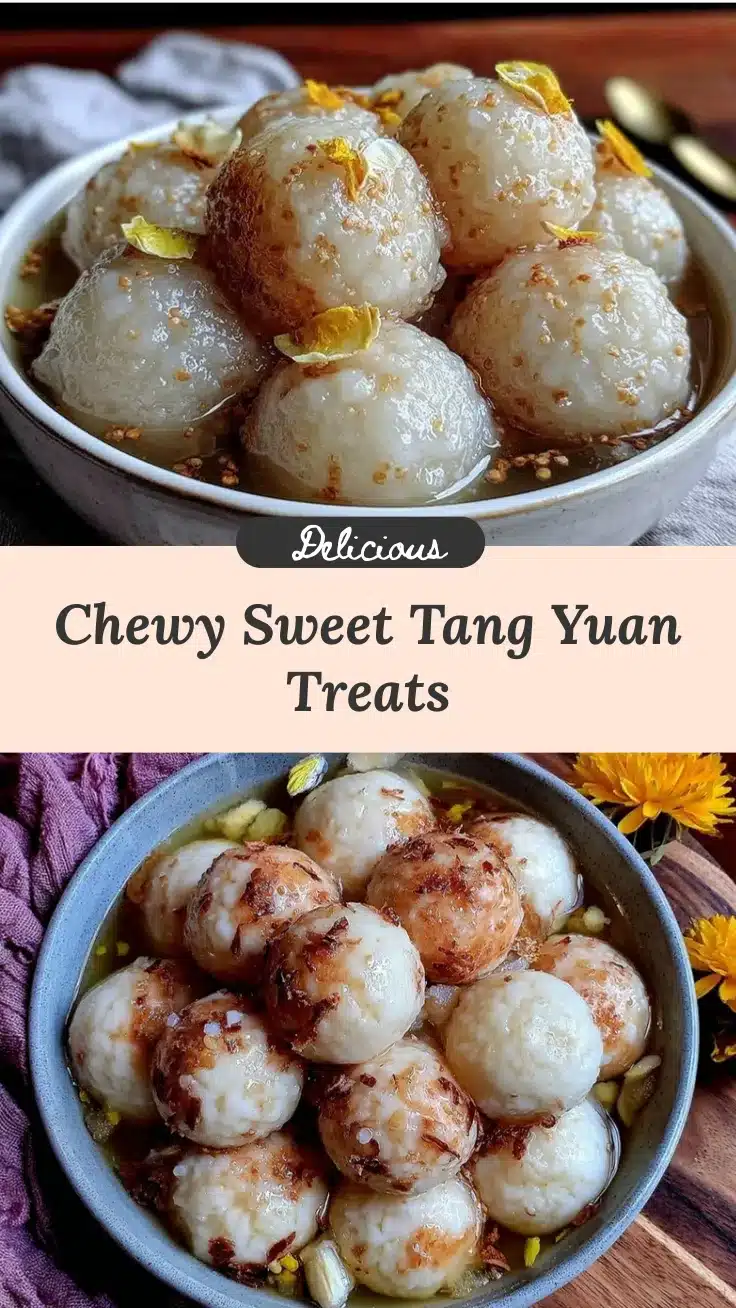
Irresistible Tang Yuan Recipe Easy Homemade Chewy Sweet Rice Balls Guide

This recipe delivers authentic chewy sweet rice balls filled with delightful sweet surprises like black sesame or peanut butter, perfect for celebrations or cozy treats.
- Prep Time: 15 minutes
- Cook Time: 30 minutes
- Total Time: 45 minutes
- Yield: 4 servings 1x
- Category: Dessert
- Cuisine: Chinese
Ingredients
- 200g (1 2/3 cups) glutinous rice flour
- About 180ml (3/4 cup) warm water
- 2 tablespoons sugar
- Filling options (choose one or mix):
- – About 100g (3.5 oz) black sesame paste (toasted black sesame seeds ground with sugar and lard or butter)
- – Crushed peanuts mixed with brown sugar
- – Red bean paste
- For serving:
- – Ginger syrup (boil 2 cups water with 5-6 slices fresh ginger and 2 tablespoons rock sugar)
Instructions
- In a mixing bowl, combine 200g (1 2/3 cups) glutinous rice flour with 2 tablespoons sugar.
- Gradually add about 180ml (3/4 cup) warm water, mixing with your hands until a smooth dough forms. It should be soft but not sticky. Adjust with water or rice flour as needed.
- Pinch off small pieces of dough about the size of a walnut (roughly 20g / 0.7 oz). Roll each piece into a smooth ball.
- Prepare the filling by rolling about 15g (1 tbsp) of your chosen paste into tiny balls.
- Flatten a dough ball into a small disc, place the filling in the center, then wrap the dough around it, pinching edges closed. Roll gently into a smooth ball. Repeat with remaining dough and filling.
- Bring a large pot of water to a boil. Drop in the tang yuan gently, stirring occasionally to prevent sticking.
- When the tang yuan float to the surface (3-5 minutes), cook for another 2 minutes to heat the filling through.
- While cooking, simmer 2 cups water with 5-6 slices fresh ginger and 2 tablespoons rock sugar for about 10 minutes to make ginger syrup. Strain if desired.
- Use a slotted spoon to transfer cooked tang yuan into bowls. Ladle warm ginger syrup over them and serve immediately.
Notes
If dough cracks when wrapping, add more water to soften. Avoid overfilling to prevent bursting during cooking. Stir gently while boiling to avoid breaking the rice balls. Cooking in batches helps prevent overcrowding. Test cook one ball first to check texture. Fresh ginger syrup adds warmth and balances sweetness. Store-bought syrup can be used in a pinch.
Nutrition
- Serving Size: About 4-5 rice balls
- Calories: 275
- Sugar: 10
- Sodium: 50
- Fat: 8
- Saturated Fat: 2
- Carbohydrates: 45
- Fiber: 2
- Protein: 5
Keywords: Tang Yuan, sweet rice balls, glutinous rice flour, black sesame, red bean paste, peanut filling, ginger syrup, chewy dessert, Asian dessert, homemade tang yuan