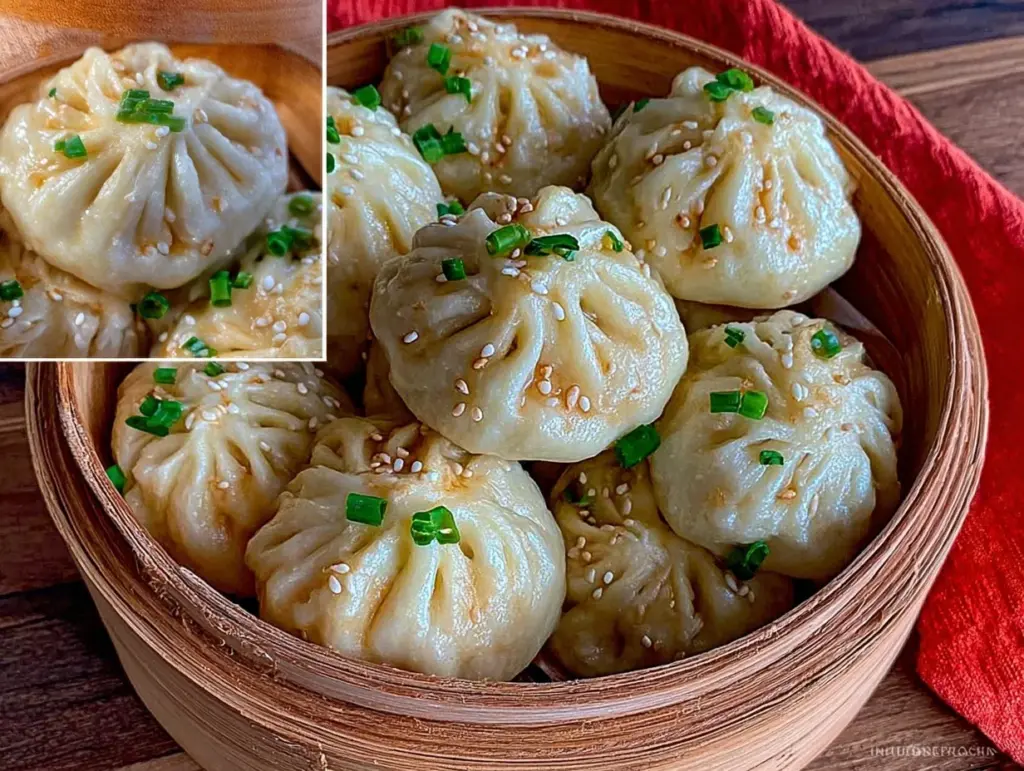
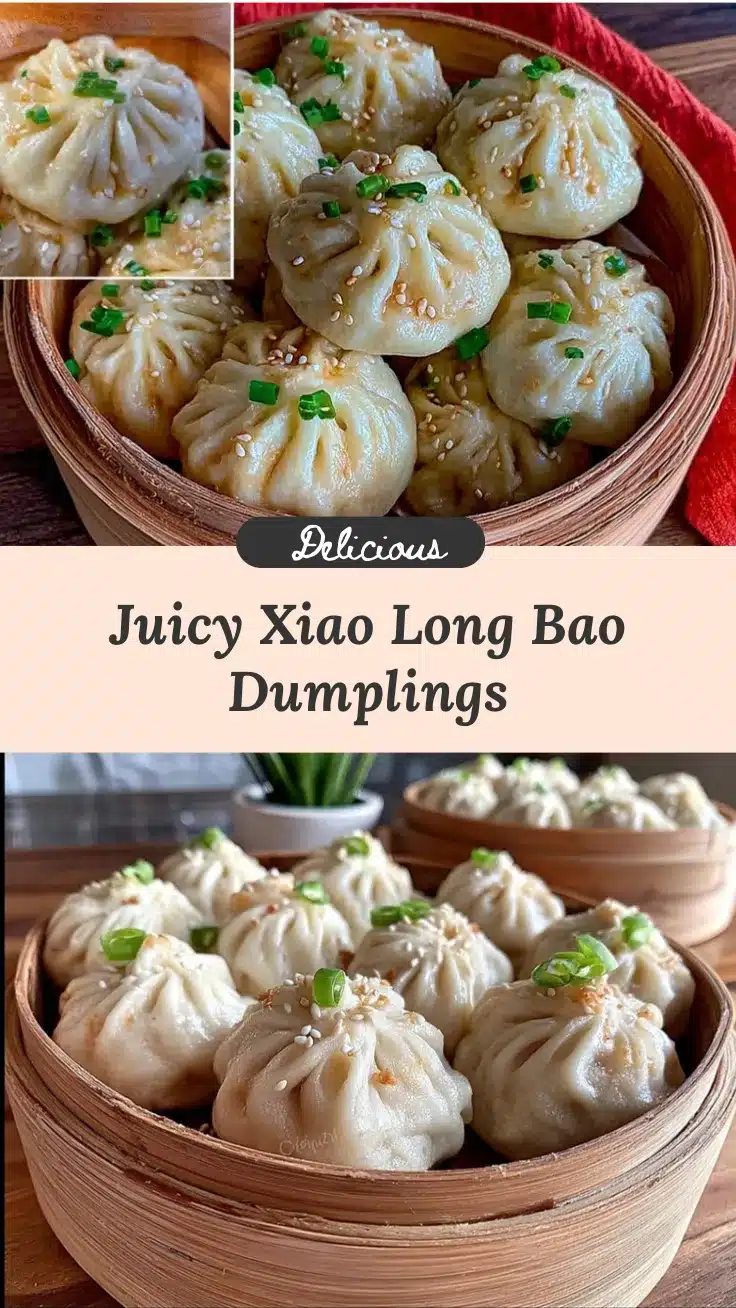
The moment you bite into a perfectly steamed Xiao Long Bao soup dumpling, you get hit with that warm burst of savory broth that just melts in your mouth. Honestly, it’s like holding a tiny treasure chest of flavor. I first tried making these little wonders during a lazy weekend when I was craving something comforting but a bit fancy. After a handful of attempts, tweaks, and a bit of kitchen mess, I nailed my own version of this iconic Chinese dish — and let me tell you, it’s worth every minute of effort.
What’s cool about this Xiao Long Bao soup dumplings recipe is how it combines delicate dough with rich broth and juicy filling. The art lies in making the soup pockets without bursting them before they hit your plate. I’ve made these dumplings more times than I can count, tweaking the dough and broth to get that perfect balance of chew, soupiness, and flavor. Whether you’re a dumpling newbie or a seasoned kitchen adventurer, I promise this recipe will make you fall in love with homemade dumplings all over again.
This recipe is fantastic for those who love a little project in the kitchen that results in something truly special. Plus, it’s a great way to impress friends or treat your family to a comforting meal without relying on takeout. And hey, if you’ve ever wondered how to make those magical soup-filled dumplings at home, you’re in the right place — because this guide breaks it down step-by-step, making the process easy and approachable.
Why You’ll Love This Recipe
- Quick & Easy to Follow: While it looks fancy, the recipe is designed for home cooks to have success in under 2 hours, including prep and steaming.
- Simple, Accessible Ingredients: You don’t need a million exotic items — mostly basics you can find at any grocery or Asian market.
- Perfect for Special Occasions: Ideal for a cozy dinner party, family weekend meals, or just when you want to treat yourself.
- Crowd-Pleaser: Even picky eaters tend to love these soup dumplings because of the juicy, flavorful bite.
- Unbelievably Delicious: The mix of tender wrapper, savory pork filling, and that luscious broth is next-level comfort food.
What sets this Xiao Long Bao soup dumplings recipe apart? It’s the little things: like blending the broth into gelatin that melts on steaming, and using a dough recipe that’s just stretchy enough to hold all that liquid without tearing. Plus, the filling is balanced with ginger, soy, and a touch of sesame oil so every bite has a little punch. Honestly, after making these dumplings a dozen times, I can say this recipe hits the sweet spot between tradition and home cooking ease.
It’s not just food — it’s an experience that makes you pause and savor. The kind of dish that has you closing your eyes after the first bite and thinking, “Wow, I made this!”
What Ingredients You Will Need
This recipe calls for simple ingredients that come together to create that iconic soup dumpling magic. Most are pantry staples or easy-to-find fresh items, and I’ve included some tips for picking the best quality.
- For the Dough:
- All-purpose flour – about 2 cups (240g), preferably unbleached for better texture
- Boiling water – ¾ cup (180ml), to partially cook the flour and create a tender dough
- Cold water – ¼ cup (60ml), to adjust dough consistency
- Pinch of salt (optional)
- For the Soup Gelatin (Aspic):
- Pork skin or pork bones – about 1 lb (450g), for rich broth
- Water – 6 cups (1.4 liters)
- Ginger slices – 3-4 pieces
- Green onions – 2 stalks, for flavor
- Soy sauce – 1 tablespoon
- Shaoxing wine (optional) – 1 tablespoon
- Salt – to taste
- For the Filling:
- Ground pork – 1 lb (450g), fresh and preferably 20% fat for juiciness
- Ginger – 1 tablespoon, finely grated
- Green onions – 2 stalks, finely chopped
- Soy sauce – 2 tablespoons (I like Kikkoman for consistent flavor)
- Sugar – 1 teaspoon
- Sesame oil – 1 teaspoon (toasted variety adds nice aroma)
- White pepper – ¼ teaspoon
- Salt – ½ teaspoon or to taste
For substitutions: Use chicken broth gelatin if pork is unavailable, or substitute ground chicken or turkey for pork in the filling for a lighter version. If you’re gluten-free, try a gluten-free flour blend for the dough, but the texture may vary slightly.
Equipment Needed
- Mixing bowls – preferably large for dough and filling mixing
- Rolling pin – to roll out the delicate dough wrappers
- Sharp knife or dough cutter – for portioning dough
- Steamer basket – bamboo or metal, fits a wok or pot
- Large pot or wok – for steaming dumplings
- Measuring cups and spoons – for accuracy
- Thermometer (optional) – to check broth temperature while making gelatin
- Plastic wrap or damp towel – to cover dough and keep it from drying out
If you don’t have a rolling pin, a clean wine bottle works surprisingly well. Bamboo steamers add a nice touch of authenticity and absorb excess moisture, but metal steamers work just as fine. Keeping your workspace lightly floured helps prevent sticking, which I learned the hard way after one frustrating sticky dough session!
Detailed Preparation Method
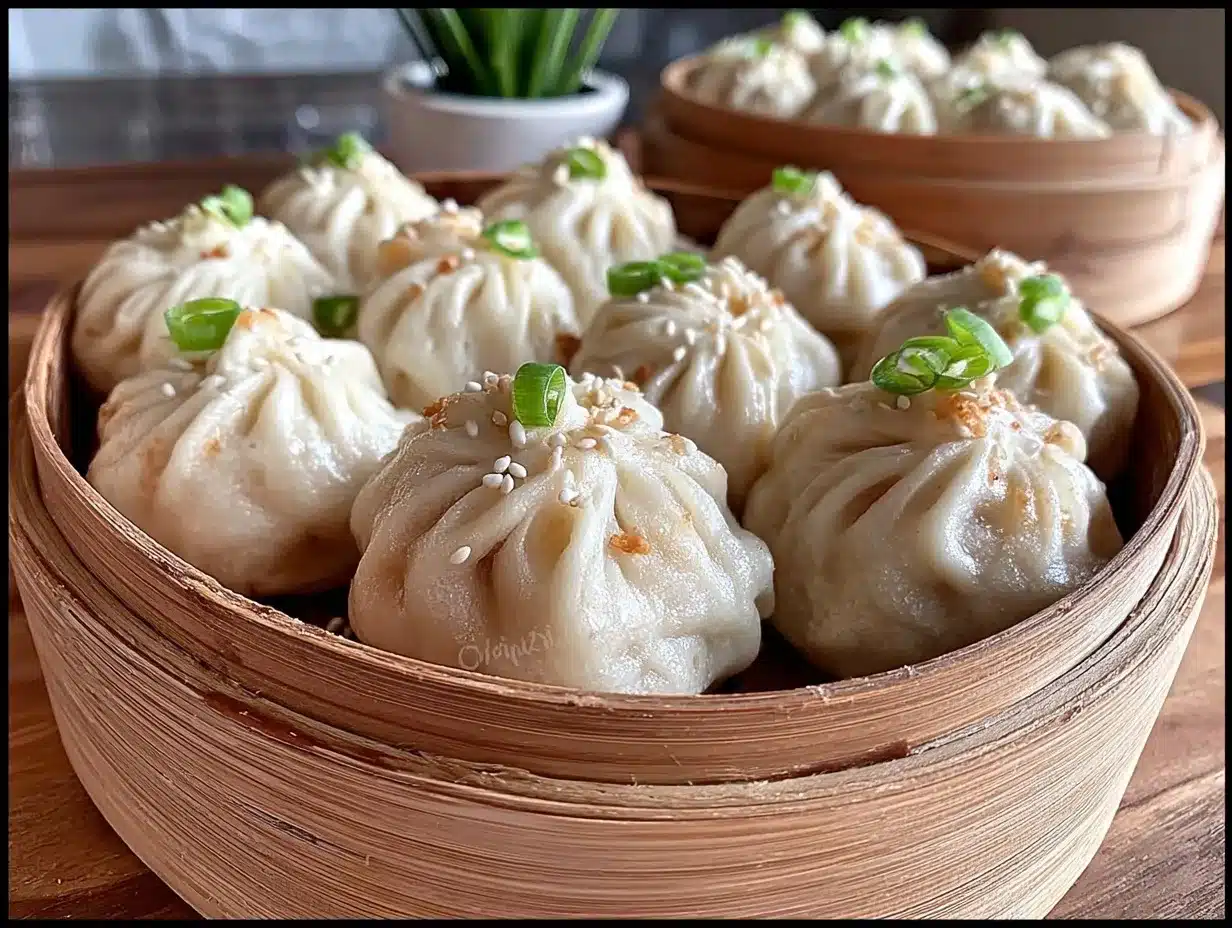
- Make the Soup Gelatin (Aspic): Start by rinsing pork bones or skin under cold water. Place them in a large pot with 6 cups (1.4 liters) of water, ginger slices, and green onions. Bring to a boil, then simmer for 3-4 hours, skimming any foam. After simmering, strain the broth and season with soy sauce, Shaoxing wine, and salt to taste. Pour into a shallow container and refrigerate until firm, about 4 hours or overnight.
- Prepare the Dough: In a large bowl, add the flour and slowly pour in boiling water (180ml), stirring with chopsticks or a fork until combined. Add the cold water (60ml) gradually, and knead the mixture into a smooth, elastic dough for about 8-10 minutes. Cover with a damp towel and rest for at least 30 minutes to relax the gluten.
- Prepare the Filling: While the dough rests, finely dice the chilled aspic into small cubes. In a bowl, combine ground pork, grated ginger, chopped green onions, soy sauce, sugar, sesame oil, white pepper, and salt. Mix well until the filling feels sticky and well combined. Gently fold the aspic cubes into the filling—this is what will melt during steaming to create the signature soup.
- Shape the Dumpling Wrappers: Divide the dough into small pieces about 1-inch (25mm) each. Roll each piece into a thin, round wrapper roughly 3 inches (7.5cm) in diameter. The edges should be thinner than the center to help with pleating and sealing.
- Fill and Fold the Dumplings: Place a tablespoon of filling in the center of each wrapper. Carefully pleat the edges by pinching and folding, creating about 15-20 folds to seal the dumpling completely. This step takes practice — the dumplings should hold the filling and aspic without leaking but remain delicate.
- Steam the Dumplings: Line your steamer basket with parchment paper or cabbage leaves to prevent sticking. Place dumplings about 1 inch apart. Bring water in your pot or wok to a boil, set the steamer over it, and steam dumplings for 8-10 minutes. They should look translucent and puffed slightly.
- Serve Hot: Serve immediately with a dipping sauce made from black vinegar, soy sauce, and thinly sliced ginger. When you bite into the dumpling, you’ll get that incredible broth rush — just watch out for the hot soup!
Tip: If your dough feels too tough after resting, cover and let it rest longer. If your dumplings burst while steaming, your dough might be too thin or you used too much filling. Patience and gentle handling make all the difference.
Cooking Tips & Techniques
Making Xiao Long Bao soup dumplings can seem intimidating, but a few tricks will make it much easier. First, the dough texture is key — it should be soft but not sticky and elastic enough to stretch without tearing. I like to knead mine for a good 10 minutes and then let it rest at least 30 minutes under a damp cloth to relax the gluten.
Another important point is the gelatinized broth (aspic). It needs to be firm enough to chop into cubes but melt quickly once steamed. Using pork skin bones gives that rich gelatin naturally. Don’t skip chilling it overnight — that’s what makes the soup burst out in the dumplings.
Folding takes patience. I remember my first attempts where dumplings would burst open mid-steam. The pleats should be tight but gentle. If you’re new, don’t worry about perfect folds — as long as the dumpling is sealed, the taste will shine through.
Steaming time is usually about 8-10 minutes. Too short, and the filling isn’t fully cooked; too long, and the wrapper gets tough. Keep your water at a rolling boil but avoid direct contact with dumplings to prevent sogginess. A bamboo steamer or metal basket lined with cabbage leaves or parchment paper really helps.
Variations & Adaptations
Here are a few ways to make this Xiao Long Bao soup dumplings recipe your own:
- Vegetarian Version: Swap the pork filling for finely chopped mushrooms, tofu, and vegetarian broth gelatin made with agar agar. Add a touch of soy sauce and ginger for flavor.
- Seafood Twist: Mix minced shrimp with pork or use alone, adding a bit of water chestnut for crunch and a splash of fish sauce for umami.
- Gluten-Free Dough: Use a blend of tapioca starch and rice flour, but note the texture will be chewier and less elastic. Handle gently.
- Spicy Kick: Add chili oil or finely chopped fresh chili to the filling for a little heat, or serve with a spicy dipping sauce.
I once made a batch with duck broth gelatin instead of pork — it added a deeper, slightly gamey richness that was surprisingly delicious. Feel free to experiment with broth bases and fillings to suit your taste or dietary needs!
Serving & Storage Suggestions
Serve your Xiao Long Bao fresh and hot — steaming right before eating is best to enjoy that signature soupy burst. Arrange dumplings on a pretty plate or bamboo steamer basket, and provide dipping sauce on the side for guests to customize.
These dumplings pair wonderfully with simple sides like sautéed bok choy, pickled vegetables, or a light cucumber salad. For drinks, jasmine tea or a crisp white wine balances the richness nicely.
If you have leftovers, store them in an airtight container in the refrigerator for up to 2 days. To reheat, steam them again for 5-7 minutes until heated through. Avoid microwaving, as it can make the dough tough and dry. Dumplings also freeze well before steaming — place them on a tray to freeze individually, then transfer to a zip-top bag. Steam frozen dumplings 12-15 minutes when ready to eat.
Flavors tend to deepen a bit after resting, but the soup might become less liquid, so fresh steaming is always best for that authentic experience.
Nutritional Information & Benefits
Each Xiao Long Bao soup dumpling contains roughly 70-90 calories, depending on size and filling. They provide a good balance of protein from the pork and some carbs from the dough. The broth adds hydration and flavor without extra calories.
Key ingredients like ginger and green onion contribute antioxidants and aid digestion, while the moderate fat content from pork gives satisfying richness without feeling too heavy. For those watching carbs, serving smaller portions with veggie sides works well.
These dumplings are not gluten-free by default (due to wheat flour) and contain soy and pork, so keep in mind allergies or dietary restrictions. From a wellness perspective, making them at home allows control over salt and fat levels, making this indulgence a bit healthier than most restaurant versions.
Conclusion
Making Xiao Long Bao soup dumplings at home is a rewarding challenge that’s totally worth your time. The combination of tender wrappers, juicy filling, and that incredible soup burst will have you hooked from the first bite. Whether you’re cooking for family, friends, or just treating yourself, this recipe brings a bit of magic to the dinner table without overly complicated steps.
Feel free to tweak the filling, try different broths, or experiment with folding techniques — it’s all part of the fun. I love this recipe because it reminds me of shared meals and the joy of creating something special with my own hands.
If you give this recipe a try, I’d love to hear how it turned out! Drop a comment, share your favorite variations, or ask any questions. Happy steaming, and enjoy every delicious bite!
FAQs about Xiao Long Bao Soup Dumplings
How do I prevent my dumplings from bursting while steaming?
Make sure your dough wrappers aren’t too thin and avoid overfilling. Also, pleat and seal the edges tightly. Steaming over gentle boiling water and not overcrowding the basket helps too.
Can I make the soup gelatin ahead of time?
Absolutely! In fact, chilling the broth overnight to set into gelatin makes it easier to handle and dice for the filling.
What if I don’t have pork skin to make broth gelatin?
You can use pork bones or even chicken bones to make a rich broth. Gelatin powder can also help, but natural broth gelatin gives the best texture.
Can I freeze these dumplings before or after steaming?
Freeze them before steaming on a tray, then transfer to a bag. When ready, steam frozen dumplings for 12-15 minutes. Avoid freezing after steaming as texture suffers.
What dipping sauce goes best with Xiao Long Bao?
A classic mix of black vinegar, soy sauce, and thinly sliced ginger is traditional and complements the dumplings perfectly.
Pin This Recipe!
Xiao Long Bao Soup Dumplings

A step-by-step recipe for making perfect homemade Xiao Long Bao soup dumplings featuring delicate dough, rich broth gelatin, and juicy pork filling.
- Prep Time: 45 minutes
- Cook Time: 1 hour 15 minutes
- Total Time: 2 hours
- Yield: 24 dumplings (about 4 servings)
- Category: Main Course
- Cuisine: Chinese
Ingredients
- All-purpose flour – about 2 cups (240g)
- Boiling water – ¾ cup (180ml)
- Cold water – ¼ cup (60ml)
- Pinch of salt (optional)
- Pork skin or pork bones – about 1 lb (450g)
- Water – 6 cups (1.4 liters)
- Ginger slices – 3-4 pieces
- Green onions – 2 stalks
- Soy sauce – 1 tablespoon (for broth)
- Shaoxing wine (optional) – 1 tablespoon
- Salt – to taste
- Ground pork – 1 lb (450g), preferably 20% fat
- Ginger – 1 tablespoon, finely grated
- Green onions – 2 stalks, finely chopped
- Soy sauce – 2 tablespoons
- Sugar – 1 teaspoon
- Sesame oil – 1 teaspoon (toasted)
- White pepper – ¼ teaspoon
- Salt – ½ teaspoon or to taste
Instructions
- Make the Soup Gelatin (Aspic): Rinse pork bones or skin under cold water. Place in a large pot with 6 cups water, ginger slices, and green onions. Bring to a boil, then simmer for 3-4 hours, skimming foam. Strain broth and season with soy sauce, Shaoxing wine, and salt. Pour into shallow container and refrigerate until firm, about 4 hours or overnight.
- Prepare the Dough: In a large bowl, add flour and slowly pour in boiling water, stirring until combined. Gradually add cold water and knead into a smooth, elastic dough for 8-10 minutes. Cover with damp towel and rest for at least 30 minutes.
- Prepare the Filling: Dice chilled aspic into small cubes. In a bowl, combine ground pork, grated ginger, chopped green onions, soy sauce, sugar, sesame oil, white pepper, and salt. Mix well until sticky. Fold in aspic cubes gently.
- Shape the Dumpling Wrappers: Divide dough into 1-inch pieces. Roll each into thin, round wrappers about 3 inches in diameter, thinner at edges.
- Fill and Fold Dumplings: Place a tablespoon of filling in center of each wrapper. Pleat edges with 15-20 folds to seal completely.
- Steam Dumplings: Line steamer basket with parchment paper or cabbage leaves. Place dumplings 1 inch apart. Steam over boiling water for 8-10 minutes until translucent and slightly puffed.
- Serve Hot: Serve immediately with dipping sauce made from black vinegar, soy sauce, and thinly sliced ginger.
Notes
If dough feels tough after resting, let it rest longer. Avoid overfilling dumplings and ensure pleats are tight but gentle to prevent bursting. Use parchment paper or cabbage leaves to prevent sticking in steamer. Freeze dumplings before steaming for storage. Reheat by steaming, avoid microwaving.
Nutrition
- Serving Size: 6 dumplings
- Calories: 80
- Sugar: 1
- Sodium: 300
- Fat: 5
- Saturated Fat: 1.5
- Carbohydrates: 7
- Fiber: 0.5
- Protein: 5
Keywords: Xiao Long Bao, soup dumplings, Chinese dumplings, homemade dumplings, steamed dumplings, pork dumplings, soup gelatin, aspic