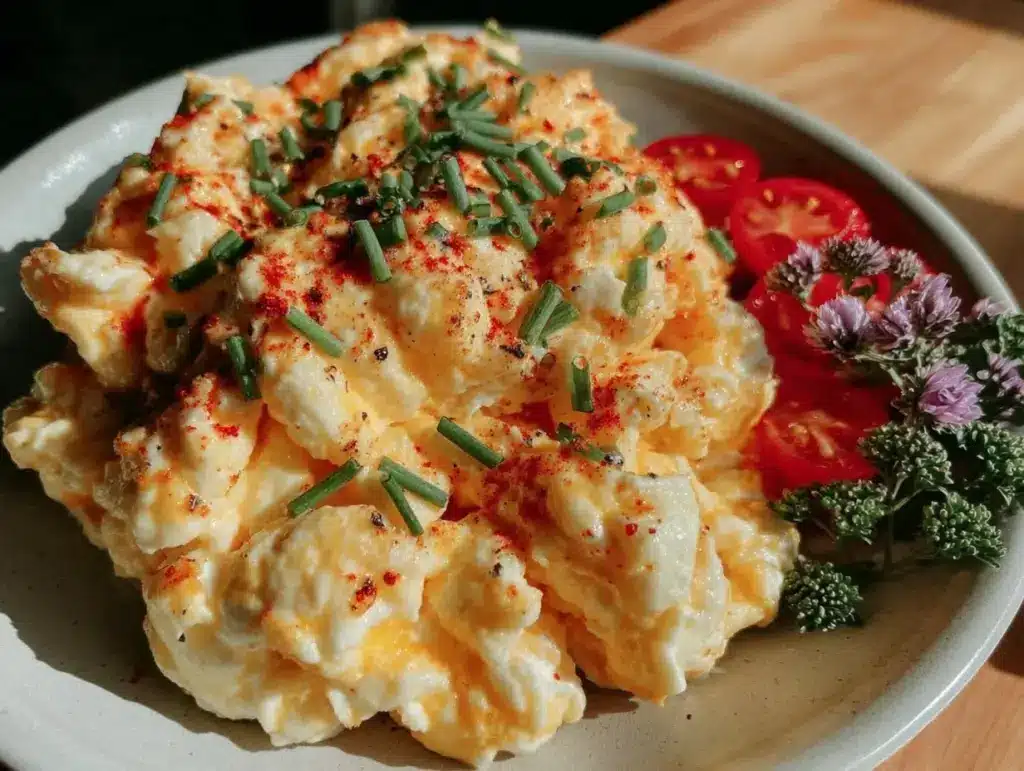
“You really should try adding cottage cheese to your scrambled eggs,” my coworker said one groggy Monday morning, sliding a container across the counter with a grin. Honestly, I was skeptical. Scrambled eggs were sacred morning comfort food in my routine, creamy but simple, and the idea of mixing in cottage cheese felt like an unnecessary twist I wasn’t ready for. But that day, running late and half-listening, I dumped a scoop in my skillet along with the eggs. The smell was different, almost tangy, but comforting in a fresh way.
By the time I plated those eggs, I was quietly surprised. The texture? Creamier, fluffier, almost like the eggs had been given a little luxe upgrade without losing their humble charm. And the protein boost? That was a game changer for someone like me who’s constantly juggling work, workouts, and trying to keep breakfast quick and satisfying. I found myself making this healthy cottage cheese scrambled eggs recipe multiple times in a week—and I wasn’t mad about it.
There’s something about this recipe that quietly sticks with you. It’s the kind of breakfast that feels like a small, nourishing reset—without the fuss or fancy ingredients. And honestly, it’s helped me look forward to mornings a little more, even on those rushed, hectic days. So if you’re curious about a different take on your usual scrambled eggs that packs an easy protein punch, this one’s worth a try.
Why You’ll Love This Recipe
Trust me when I say this recipe isn’t just about tossing cottage cheese into eggs—it’s a thoughtfully tested way to get more protein on your plate while keeping the whole thing simple and tasty. After several attempts perfecting the balance, here’s why this healthy cottage cheese scrambled eggs recipe stands out:
- Quick & Easy: Ready in under 10 minutes, it’s perfect for those mornings when you’re running on fumes but need a solid start.
- Simple Ingredients: No obscure items or special trips to the store—just eggs, cottage cheese, and a few pantry staples.
- Perfect for Busy Mornings: Whether you’re squeezing in breakfast before work or need something to fuel a workout, this recipe fits right in.
- Crowd-Pleaser: I’ve served this for weekend brunch and even packed it for quick lunches—everyone loves that creamy texture and satisfying protein.
- Unbelievably Delicious: The cottage cheese melts slightly while cooking, creating a luscious creaminess that transforms basic scrambled eggs into a comfort meal.
What really sets this recipe apart is the technique of gently folding the cottage cheese into the eggs, which keeps the scramble moist and fluffy without curdling or drying out. It’s a subtle twist that makes all the difference. Plus, swapping in cottage cheese means you get a boost of calcium and casein protein, which digests slowly and keeps hunger at bay longer.
Honestly, it’s become my go-to when I want a little extra oomph in the morning without complicating things. If you’ve ever enjoyed a rich, creamy scramble but wished it was a bit healthier, this recipe is a quiet win. And if you love dishes like the crispy ham and cheese sticks I shared earlier, you’ll appreciate how this breakfast balances simplicity with satisfying flavor.
What Ingredients You Will Need
This recipe uses simple, wholesome ingredients to deliver bold flavor and satisfying texture without the fuss. Most of these are pantry staples, and the few fresh items are easy to find year-round. If you’re anything like me, you probably already have everything on hand.
- Large eggs, room temperature – the base for our scramble, providing richness and protein.
- Cottage cheese, small-curd, full-fat or low-fat (about ¼ cup / 60 ml per serving) – the secret ingredient for extra creaminess and protein. I usually go with Breakstone’s for consistent texture.
- Salt, to taste – balances flavors.
- Freshly ground black pepper, to taste – adds a subtle kick.
- Butter or olive oil (about 1 tablespoon / 15 ml) – for cooking, butter gives a nice flavor while olive oil is a good lighter option.
- Fresh chives or parsley, finely chopped (optional) – for brightness and a touch of color.
Optional add-ins:
- Grated cheese like cheddar or mozzarella (adds richness)
- Cherry tomatoes, halved (for freshness)
- Sautéed spinach or kale (to sneak in some greens)
Substitution tips: If you’re avoiding dairy, try a dairy-free cottage cheese alternative or silken tofu mashed lightly for a similar texture. For a lower-fat option, use low-fat cottage cheese but keep in mind the scramble will be less creamy. If you want a gluten-free breakfast, this recipe is naturally free of gluten.
Equipment Needed
- Non-stick skillet or frying pan: A good non-stick pan (8 to 10 inches / 20-25 cm) is key to prevent sticking and promote even cooking. I personally use a Tefal non-stick, which has held up well over years.
- Whisk or fork: For beating the eggs smoothly before cooking.
- Spatula: A silicone or rubber spatula works best for gently folding the eggs while cooking without breaking them up too much.
- Measuring spoons/cups: To keep ingredient quantities consistent.
If you don’t have a non-stick skillet, a well-seasoned cast iron pan can work, but watch the heat carefully to avoid sticking. I’ve learned the hard way that cooking scrambled eggs on high heat in cast iron is a recipe for frustration! For budget-friendly options, many stores carry basic non-stick pans that do the job perfectly.
Preparation Method
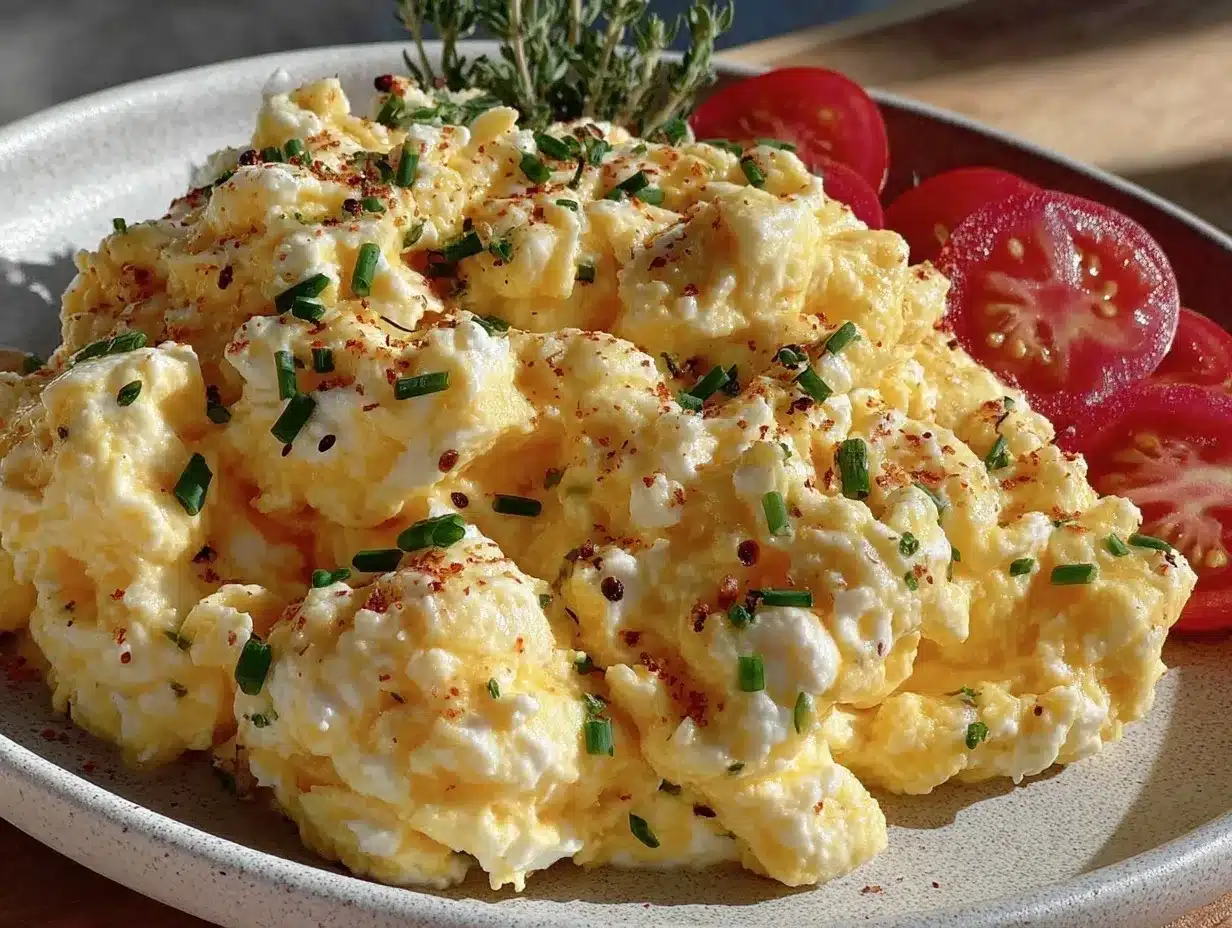
- Crack and whisk the eggs: Crack 2 large eggs (approx. 100 g / 3.5 oz) per serving into a bowl. Add a pinch of salt and pepper. Whisk vigorously with a fork or whisk until the yolks and whites are fully combined and the mixture is slightly frothy – about 30 seconds.
- Prep the cottage cheese: Measure out roughly ¼ cup (60 ml) of small-curd cottage cheese per serving. If you prefer a smoother texture, give it a gentle stir to loosen the curds but avoid blending it completely – those little curds add nice texture.
- Heat the pan and melt butter: Place your skillet over medium-low heat. Add 1 tablespoon (15 ml) of butter or olive oil. Let the butter melt fully but don’t let it brown or burn. The goal is a gentle, even heat to keep eggs tender.
- Start cooking the eggs: Pour the beaten eggs into the pan. Let them sit undisturbed for about 20 seconds until the edges just start to set.
- Fold gently: Using a spatula, gently push the eggs from the edges toward the center, allowing the uncooked eggs to flow outward. Repeat slowly every 10-15 seconds to form soft curds. Avoid stirring constantly—patience is key here.
- Add cottage cheese: When the eggs are about halfway cooked but still slightly runny (after 1 to 1.5 minutes), dollop the cottage cheese evenly over the eggs. Continue folding gently, letting the cottage cheese warm and soften without breaking down completely.
- Finish cooking: Cook for another 30 seconds to a minute until eggs are just set but still moist and creamy. Remember, eggs will continue to cook slightly off the heat—remove the pan at just the right moment.
- Season and garnish: Taste and adjust salt and pepper as needed. Sprinkle with fresh chopped chives or parsley for a fresh pop of flavor and color.
- Serve immediately: Scrambled eggs wait for no one! Plate right away for the best texture and warmth.
Tip: If you notice the eggs cooking too fast or sticking, lower the heat. Eggs cooked gently always taste better and have a softer texture. Also, I like to keep my cottage cheese chilled until the last moment—it helps maintain a nice contrast of temperature and texture.
Cooking Tips & Techniques
One lesson I’ve learned with scrambled eggs (especially with cottage cheese added) is that temperature control is everything. Cooking on too high heat will cause the eggs to dry out or get rubbery, while slow, gentle heat keeps them creamy and tender.
Also, folding instead of stirring constantly helps eggs develop those soft, fluffy curds that feel luxurious without being dense. When the cottage cheese hits the pan, it’s tempting to stir aggressively, but a gentle touch preserves the curds and creates that signature creamy texture.
Another tip: use fresh eggs at room temperature if possible. Cold eggs straight from the fridge can take longer to cook and might not mix as evenly with the cottage cheese. I tend to crack my eggs into a bowl and let them sit while I prep other ingredients.
Common mistake? Overcooking. I’ve caught myself scrambling eggs into a dry clump more times than I’d like to admit. The trick is to pull the pan off the heat just before the eggs look fully done—the residual warmth finishes the job perfectly.
And if you’re short on time, multitasking by preparing your morning coffee or chopping herbs while the eggs cook can speed things up without sacrificing quality.
Variations & Adaptations
- Veggie boost: Add sautéed mushrooms, spinach, or bell peppers to the scramble for a colorful, nutrient-rich breakfast.
- Herb twist: Swap out chives for dill, basil, or tarragon for different flavor profiles that keep breakfast exciting.
- Spicy kick: Mix in a pinch of smoked paprika, chili flakes, or a dash of hot sauce for a little heat.
- Dairy-free option: Use a plant-based cottage cheese alternative or mashed silken tofu to keep it creamy but suitable for dairy intolerance.
- High-calorie version: Stir in some grated cheese like cheddar or mozzarella for extra indulgence and richness.
Personally, I’ve experimented with adding a handful of fresh herbs and some diced tomatoes to create a scramble reminiscent of a Mediterranean breakfast. Another time, I tossed in sautéed kale for a nutrient punch. For a lighter take, I’ve swapped butter for avocado oil, which also adds a subtle fruity note.
Serving & Storage Suggestions
This scramble is best enjoyed hot and fresh for maximum creaminess. Serve it with a side of whole-grain toast, avocado slices, or fresh fruit for a well-rounded plate. A cup of green tea or black coffee pairs nicely without overpowering the delicate flavors.
If you happen to have leftovers (which is rare in my house), store them in an airtight container in the refrigerator for up to 24 hours. Reheat gently in a skillet over low heat or microwave at 50% power in short bursts to avoid drying out the eggs.
Interestingly, letting the scramble rest for a few minutes after cooking can deepen the flavors and make the texture even creamier, thanks to the cottage cheese melding with the eggs.
For more breakfast inspiration that balances ease and taste, you might enjoy the creamy simplicity of the classic creamy church salad or pack in some fresh veggies with the zesty southwest chipotle salad.
Nutritional Information & Benefits
This recipe packs a powerful protein punch with about 20-22 grams of protein per serving, depending on the cottage cheese used. Eggs provide complete protein with essential amino acids, while cottage cheese adds casein protein, which digests slowly and helps keep you full longer.
Calcium from cottage cheese supports bone health, and the moderate fat content (especially if using full-fat versions) aids in nutrient absorption and satiety. This breakfast is naturally low in carbs, making it suitable for low-carb or keto-friendly diets.
Note that cottage cheese contains dairy, so it’s not suitable for those with lactose intolerance or dairy allergies unless using alternatives. Eggs are common allergens as well, so be mindful if cooking for others.
Conclusion
This healthy cottage cheese scrambled eggs recipe quietly redefines what a high-protein breakfast can be—simple, fast, and surprisingly creamy without any complicated ingredients or steps. I love how it fits into my busy mornings while still feeling like a little treat. You can easily customize it with your favorite herbs, veggies, or cheeses to keep breakfast fresh and exciting.
Give it a try, tweak it your way, and let your mornings start on a satisfying note. And hey, if you try it alongside something like the crispy pepperoni pizza rolls for a weekend brunch, you’re in for a treat that balances comfort and protein smartly. Feel free to leave a comment sharing your own spins or questions — I’d love to hear how you make this your own!
Frequently Asked Questions
Can I use large curd cottage cheese instead of small curd?
Yes, but small-curd cottage cheese melts more smoothly into the eggs, giving a creamier texture. Large curds will create a chunkier scramble, which some people enjoy, but it’s a different mouthfeel.
Is this recipe suitable for meal prep?
You can prepare and refrigerate it, but scrambled eggs with cottage cheese are best fresh. If storing, keep in an airtight container and reheat gently to avoid drying out.
Can I add vegetables directly to the eggs while cooking?
Absolutely! Lightly sauté veggies like spinach, tomatoes, or mushrooms beforehand, then fold them into the eggs with the cottage cheese for added flavor and nutrition.
What if I don’t like the texture of cottage cheese?
Try blending the cottage cheese briefly before adding, or substitute with ricotta cheese for a similar creamy effect with a milder texture.
How do I make this recipe dairy-free?
Swap cottage cheese with a dairy-free alternative like a plant-based cottage cheese or mashed silken tofu. Use olive oil instead of butter to keep it fully dairy-free.
Pin This Recipe!
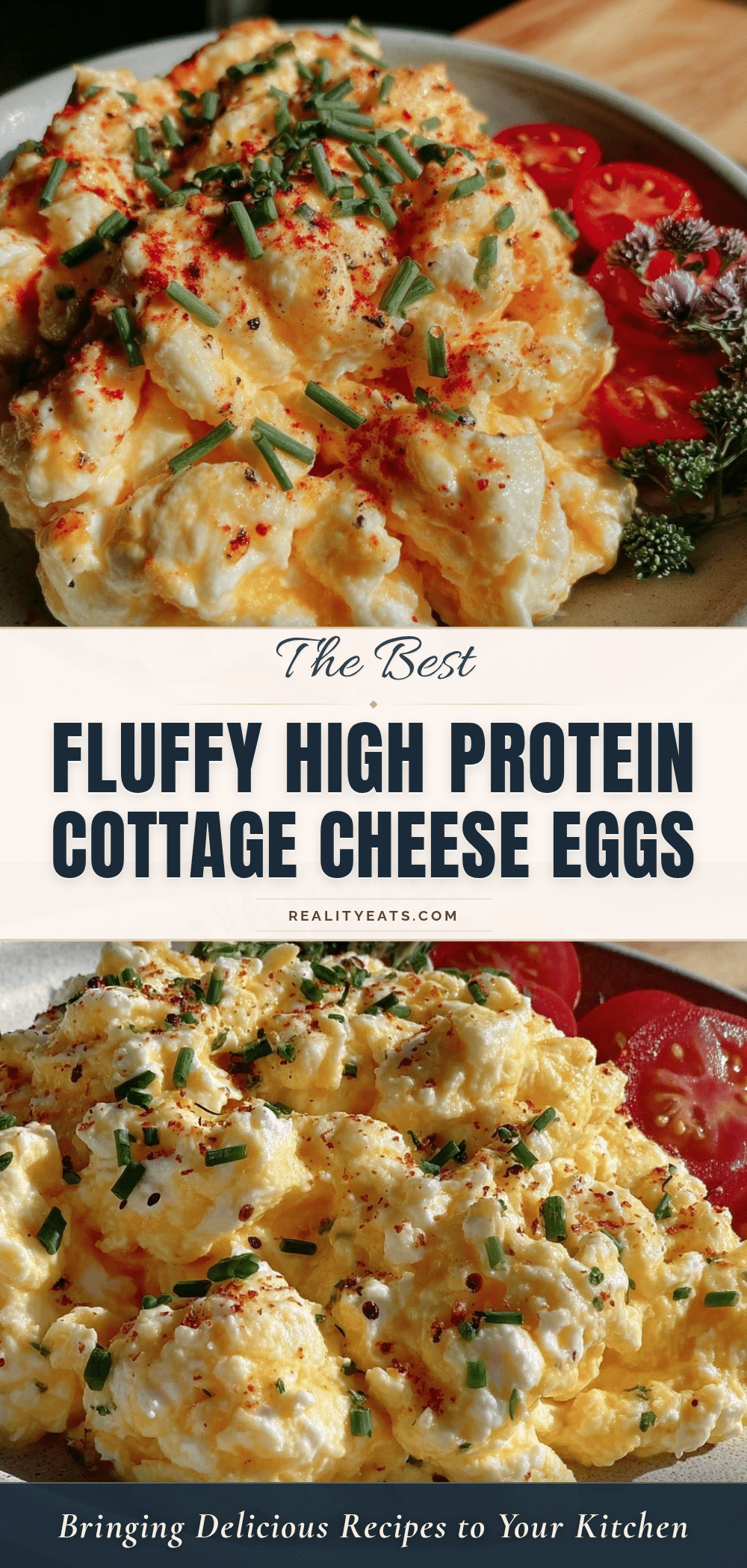
Healthy Cottage Cheese Scrambled Eggs Recipe for Easy High-Protein Breakfast

A quick and easy scrambled eggs recipe enhanced with cottage cheese for extra creaminess and protein, perfect for busy mornings.
- Prep Time: 5 minutes
- Cook Time: 5 minutes
- Total Time: 10 minutes
- Yield: 1 serving 1x
- Category: Breakfast
- Cuisine: American
Ingredients
- 2 large eggs, room temperature
- ¼ cup (60 ml) small-curd cottage cheese, full-fat or low-fat
- Salt, to taste
- Freshly ground black pepper, to taste
- 1 tablespoon (15 ml) butter or olive oil
- Fresh chives or parsley, finely chopped (optional)
- Optional add-ins: grated cheese like cheddar or mozzarella, cherry tomatoes halved, sautéed spinach or kale
Instructions
- Crack 2 large eggs per serving into a bowl. Add a pinch of salt and pepper. Whisk vigorously until yolks and whites are fully combined and slightly frothy, about 30 seconds.
- Measure out roughly ¼ cup (60 ml) of small-curd cottage cheese per serving. Stir gently to loosen curds if desired.
- Heat a non-stick skillet over medium-low heat. Add 1 tablespoon (15 ml) butter or olive oil and let it melt without browning.
- Pour the beaten eggs into the pan. Let sit undisturbed for about 20 seconds until edges start to set.
- Using a spatula, gently push eggs from edges toward the center every 10-15 seconds to form soft curds. Avoid constant stirring.
- When eggs are halfway cooked but still slightly runny (after 1 to 1.5 minutes), dollop cottage cheese evenly over eggs. Continue folding gently.
- Cook for another 30 seconds to 1 minute until eggs are just set but still moist and creamy. Remove from heat.
- Taste and adjust salt and pepper. Sprinkle with fresh chopped chives or parsley if desired.
- Serve immediately for best texture and warmth.
Notes
Cook eggs on medium-low heat to keep them creamy and tender. Gently fold cottage cheese into eggs to maintain soft curds and avoid drying out. Keep cottage cheese chilled until adding for temperature contrast. Avoid overcooking; remove pan just before eggs are fully set as residual heat finishes cooking.
Nutrition
- Serving Size: 1 serving (approx. 2
- Calories: 250
- Sugar: 2
- Sodium: 300
- Fat: 18
- Saturated Fat: 7
- Carbohydrates: 3
- Protein: 21
Keywords: cottage cheese scrambled eggs, high protein breakfast, easy scrambled eggs, healthy breakfast, creamy scrambled eggs