“You sure you wanna do burnt ends again?” my buddy asked with a smirk as I pulled out the brisket from the smoker. Honestly, I wasn’t planning on making burnt ends that day—it was supposed to be a quick afternoon cook. But that brisket point just called for it. The smell of hickory smoke wafting through the backyard, mixed with the sweet tang of Kansas City glaze simmering on the stove, was impossible to ignore. I figured, why not? Let’s see if this batch could top the last one.
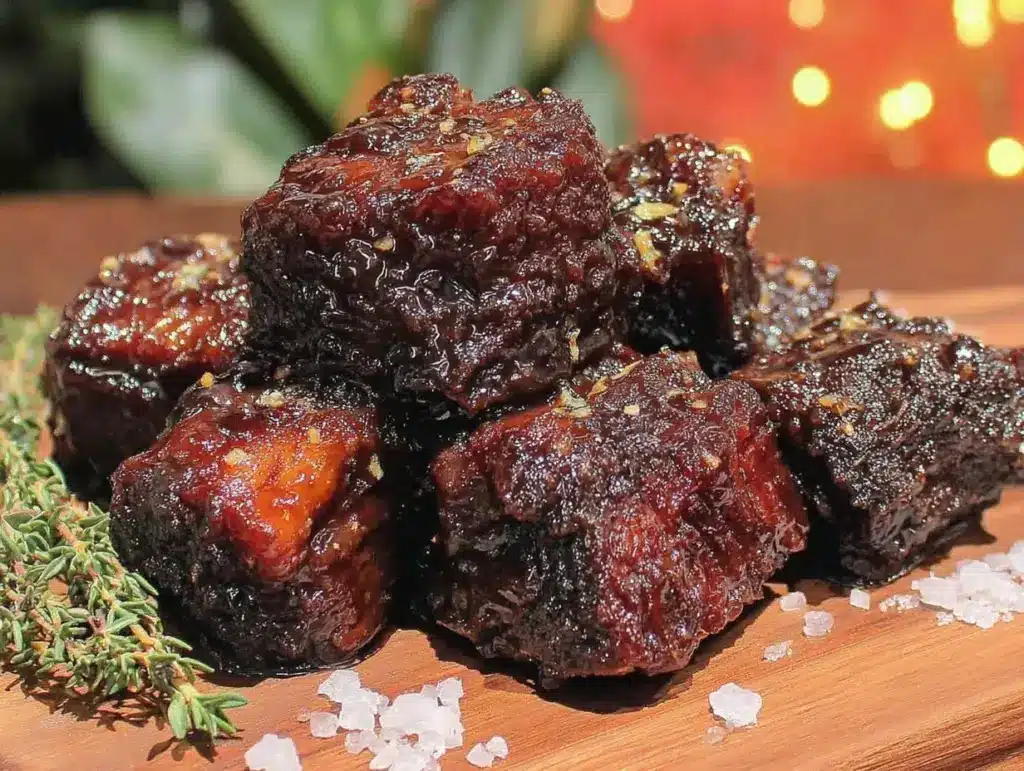
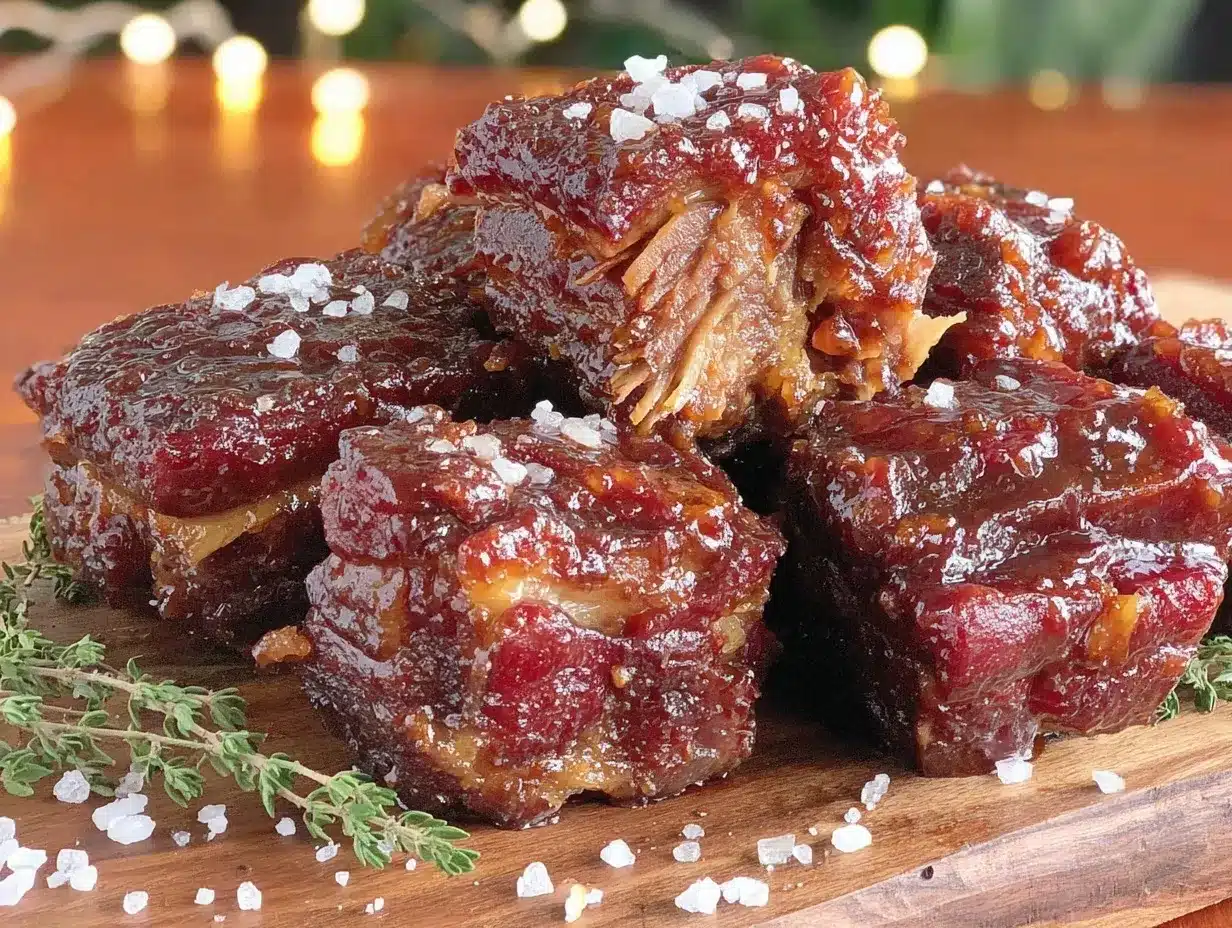
Turns out, those burnt ends weren’t just good—they were addictive. Crispy edges with a caramelized crust, tender and juicy inside, all cloaked in a sticky, sweet glaze that made you want to lick your fingers clean. It wasn’t just barbecue; it was that kind of food that pulls you back to the grill again and again, especially when you want something that feels like a little celebration in every bite.
There’s something about burnt ends that’s so unpretentious yet seriously satisfying. Maybe it’s because they start as a humble offcut, but with a bit of patience and love, they transform into pure magic. This recipe stuck with me because it’s easy enough for a weekend project but impressive enough to bring to any gathering—sometimes I even catch myself sneaking bites before anyone else arrives. The sweet Kansas City glaze finishes it off in a way that’s just right—not too sweet, not too tangy, just perfect. And that’s why this recipe feels like a winner every single time.
Why You’ll Love This Recipe
After countless tries, tweaks, and sharing with friends, I can confidently say this smoked brisket burnt ends recipe with sweet Kansas City glaze hits the spot every time. Here’s what makes it stand out:
- Quick & Easy: The hands-on time is minimal—just prep, smoke, and glaze—perfect for busy weekends or last-minute BBQ cravings.
- Simple Ingredients: You don’t need exotic spices or hard-to-find sauces. Most are pantry staples or easy to grab from your local store.
- Perfect for Gatherings: Whether it’s a backyard party or a casual dinner, these burnt ends bring the crowd together (and the compliments, too).
- Crowd-Pleaser: Kids, adults, barbecue aficionados—everyone ends up going back for seconds (or thirds).
- Unbelievably Delicious: The balance of smoky, sweet, and savory flavors with that melt-in-your-mouth texture? It’s downright addictive.
This isn’t just another burnt ends recipe. The secret lies in the sweet Kansas City glaze that’s homemade, with a touch of molasses and spices, giving it that classic BBQ soul. Plus, the technique of cutting the point into cubes, smoking low-and-slow, then glazing and caramelizing those cubes adds layers of flavor and texture you just won’t find in regular brisket recipes.
If you’ve enjoyed dishes like the creamy baked mac and cheese or the crispy ham and cheese sticks on this site, you’ll find this recipe hits that same sweet spot between comfort food and crowd-pleaser. And honestly, it’s one of those recipes that makes you close your eyes and savor every bite, knowing it just works.
What Ingredients You Will Need
This recipe keeps things straightforward with wholesome, flavorful ingredients that come together to create bold flavor and satisfying texture without fuss. Most are pantry staples, and substitutions are easy if needed.
- Brisket Point: About 3-4 pounds (1.4-1.8 kg). This is the fatty, flavorful part perfect for burnt ends.
- Rub:
- Brown sugar (packed) – adds sweetness and helps caramelize
- Smoked paprika – for that smoky depth
- Salt – kosher salt preferred for even seasoning
- Black pepper – freshly ground for bite
- Garlic powder – subtle savory undertone
- Onion powder – rounds out the flavor
- Cayenne pepper – optional, for a mild kick
- Sweet Kansas City Glaze:
- Ketchup – the base for sweetness and tang
- Molasses – classic KC BBQ flavor
- Apple cider vinegar – balances sweetness with acidity
- Worcestershire sauce – adds umami depth
- Brown sugar – packs in more caramel notes
- Honey – natural sweetness and sticky texture
- Yellow mustard – sharpness to cut through richness
- Smoked paprika and garlic powder – enhance smoky and savory notes
- Wood Chips or Chunks: Hickory or oak recommended for authentic smoky flavor
- Aluminum foil and disposable pans: For wrapping and finishing burnt ends
For substitutions, if you want a gluten-free glaze, check your Worcestershire sauce brand or swap with coconut aminos. You can use maple syrup instead of honey for a different sweetness profile. If brisket point isn’t available, a well-marbled flat cut can work, but burnt ends won’t be quite as tender and rich.
Equipment Needed
- Smoker: A charcoal, pellet, or electric smoker works well for that low-and-slow cook. I’ve had great luck with a Weber Smokey Mountain, but even a basic offset smoker will do.
- Meat thermometer: Essential for tracking internal temp—probe thermometers with digital readouts are a lifesaver.
- Sharp knife and cutting board: You want clean cuts for those perfect burnt ends cubes.
- Disposable aluminum pans: Used for the final glazing and caramelizing step—no need for fancy stuff here.
- Basting brush: For slathering on that luscious Kansas City glaze.
If you don’t have a smoker, a grill set up for indirect heat with wood chips can work. For budget options, I recommend a simple digital thermometer like the ThermoPro TP03—accurate and affordable. Keeping your smoker clean and well-maintained really pays off in flavor and ease of use.
Preparation Method
- Trim and prep the brisket: Remove excess fat but leave about ¼ inch to keep the burnt ends moist. Pat dry with paper towels. This should take 10-15 minutes.
- Apply the rub: Mix brown sugar, smoked paprika, salt, pepper, garlic powder, onion powder, and cayenne in a bowl. Generously coat the brisket point all over with the rub. Let it sit at room temp for 30 minutes to absorb flavors.
- Preheat the smoker: Bring your smoker to 225°F (107°C) using hickory or oak wood chunks for smoke. This low temperature is key for tender, smoky burnt ends.
- Smoke the brisket: Place the brisket point fat side up on the grate. Smoke until the internal temp hits about 165°F (74°C), roughly 3-4 hours. Use a digital probe to monitor. You’re looking for a nice mahogany bark forming on the surface.
- Wrap and continue cooking: Wrap the brisket tightly in butcher paper or foil to speed up cooking and retain moisture. Continue smoking until the internal temp reaches 195°F (90°C), about 2 more hours.
- Cube the brisket: Once rested for 20 minutes, unwrap and cut the point into 1-inch (2.5 cm) cubes. These are your burnt ends—fatty, tender, and ready for glaze.
- Make the glaze: Combine ketchup, molasses, apple cider vinegar, Worcestershire sauce, brown sugar, honey, mustard, smoked paprika, and garlic powder in a saucepan. Simmer gently for 10 minutes until thickened and glossy.
- Glaze and caramelize: Place burnt ends in an aluminum pan, pour glaze over, and toss gently to coat. Return to smoker at 275°F (135°C) for 1 hour uncovered, stirring every 20 minutes, until edges are sticky and caramelized.
- Rest and serve: Let burnt ends rest for 10 minutes before serving. They’ll be sticky, tender, and bursting with flavor.
Pro tip: Don’t rush the smoke. Low and slow is the secret to that tender, melt-in-your-mouth texture. If your bark isn’t forming nicely, check your smoker’s airflow and wood quality. And don’t skip the resting step; it lets the juices redistribute for every bite to be juicy.
Cooking Tips & Techniques
Smoking brisket burnt ends isn’t rocket science, but a few tips save you from the usual pitfalls:
- Patience is everything: Rushing the smoke or glazing too early can leave you with dry or bland bites. The first smoke stage builds flavor and bark, so don’t cut corners.
- Use a reliable thermometer: Guesswork is a gamble. I’ve learned the hard way that temp control makes or breaks the cook.
- Wood choice impacts flavor: Hickory gives a strong smoke, oak is milder. Avoid mesquite unless you like very intense smoke; it can overpower the glaze.
- Glaze consistency matters: Too thin and it won’t stick; too thick and it can burn. Simmering the glaze gently is the trick to a perfect sticky coating.
- Don’t over-glaze: Coat the burnt ends lightly and toss between glaze sessions to build layers without drowning the meat.
- Multitasking tip: While the brisket smokes, prep sides like a fresh salad or creamy slaw. This recipe pairs great with a tangy Southwest chipotle salad to cut through richness.
Remember, every smoker behaves a bit differently, so keep notes on your cook times and temps. Over time, you’ll develop a rhythm that feels just right for your setup and taste.
Variations & Adaptations
One of the best things about burnt ends is how adaptable they are. Here are a few ways to switch things up:
- Spicy Kick: Add chipotle powder or cayenne to the rub and glaze for a smoky heat that wakes up the palate.
- Sweet & Tangy Twist: Replace molasses with maple syrup and add a splash of orange juice to the glaze for a bright citrus note.
- Low-Carb/Keto: Use a sugar-free BBQ sauce base and swap brown sugar for erythritol in the rub and glaze. The texture still shines through.
- Oven-Baked Version: If you don’t have a smoker, wrap the rubbed brisket in foil, bake low and slow at 250°F (120°C) until tender, then cube and broil with glaze to caramelize.
- Personal Favorite: I once added a splash of bourbon to the glaze for a deeper flavor complexity—just a little goes a long way.
Serving & Storage Suggestions
Serve these burnt ends warm for best texture—slightly sticky and tender with a crisp exterior. They make a killer main dish or a hearty appetizer.
Pair them with classic sides like creamy slaw, baked beans, or even a fresh church salad for contrast. A cold beer or a glass of fruity red wine complements the smoky sweetness beautifully.
For storage, burnt ends keep well in the refrigerator for up to 4 days in an airtight container. Reheat gently in a covered pan or oven at 300°F (150°C) to avoid drying out.
They also freeze well—wrap tightly and freeze for up to 3 months. Thaw overnight in the fridge before reheating. Flavors actually deepen after a day, so leftovers can taste even better!
Nutritional Information & Benefits
Each serving of smoked brisket burnt ends with sweet Kansas City glaze offers roughly 350-400 calories, depending on portion size. High in protein and fat, it provides sustained energy and satisfying fullness.
Key ingredients like paprika and garlic powder add antioxidants, while the vinegar in the glaze supports digestion. For those mindful of carbs, the glaze does contain sugars, but you can modify with sugar-free alternatives.
Note that this recipe contains common allergens like mustard and Worcestershire sauce (which often contains anchovies). If needed, swap with allergen-free sauces or omit mustard to suit dietary needs.
From a wellness standpoint, this recipe balances indulgence with real, minimally processed ingredients—something I appreciate when craving comfort food without overdoing it.
Conclusion
There’s a reason smoked brisket burnt ends have a near-legendary status in barbecue circles, and this recipe captures that magic with a sweet Kansas City glaze that hits just right. It’s a recipe you can trust to impress without stress, bring people together, and satisfy that smoky, sweet craving every time.
Feel free to play with the spice levels, sweetness, or cooking methods to make it your own. After all, the best burnt ends are the ones you tweak until they’re just perfect for you.
Personally, this recipe reminds me that sometimes the best meals come from a little spontaneity and a lot of patience—plus a glaze that makes you want to lick the plate clean. Don’t forget to share how your burnt ends turn out; I’m always excited to hear your twists and stories.
Happy smoking!
FAQs
What cut of brisket is best for burnt ends?
The point cut of the brisket is ideal for burnt ends because of its higher fat content and marbling, which keeps the pieces juicy and flavorful after smoking and glazing.
Can I make burnt ends without a smoker?
Yes! While a smoker adds authentic flavor, you can bake the brisket low and slow in the oven, then cube and caramelize the burnt ends under the broiler or in a hot oven with the glaze.
How long does it take to smoke burnt ends?
Smoking the brisket point low and slow usually takes about 5-6 hours total, followed by an additional hour of glazing and caramelizing at a higher temperature.
What wood is best for smoking brisket burnt ends?
Hickory and oak are classic choices that provide a balanced, smoky flavor. Avoid overpowering woods like mesquite unless you prefer a stronger smoke taste.
Can I prepare the burn ends glaze ahead of time?
Absolutely. The sweet Kansas City glaze can be made a day ahead and stored in the fridge. Just warm it gently before using for best consistency and flavor.
Pin This Recipe!
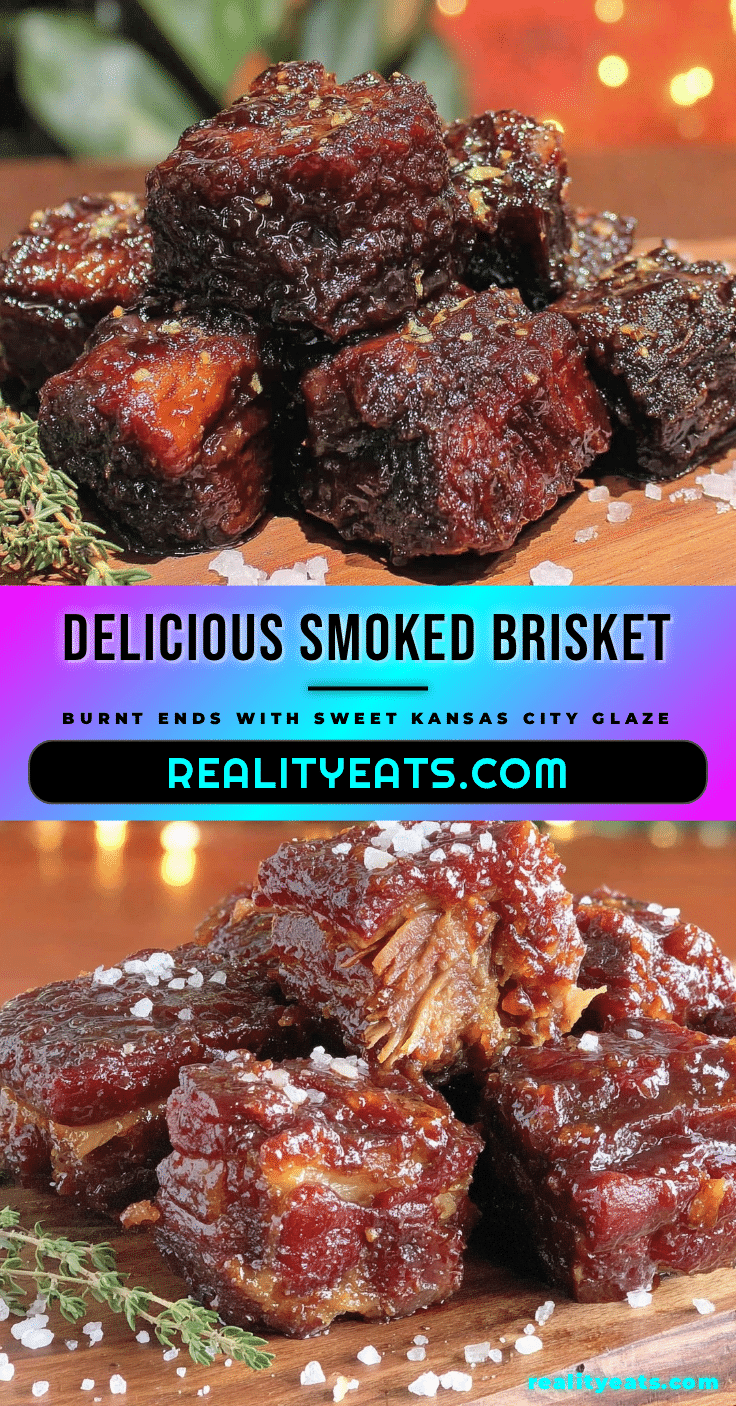
Smoked Brisket Burnt Ends Recipe with Sweet Kansas City Glaze Easy and Perfect

This smoked brisket burnt ends recipe features tender, juicy cubes with a crispy caramelized crust, coated in a sticky, sweet Kansas City glaze. Perfect for gatherings and easy enough for a weekend project.
- Prep Time: 45 minutes
- Cook Time: 6 hours
- Total Time: 6 hours 45 minutes
- Yield: 6 servings 1x
- Category: Main Course
- Cuisine: American, Barbecue
Ingredients
- 3–4 pounds brisket point (fatty, flavorful part)
- Rub:
- – 1/4 cup packed brown sugar
- – 1 tablespoon smoked paprika
- – 1 tablespoon kosher salt
- – 1 tablespoon freshly ground black pepper
- – 1 teaspoon garlic powder
- – 1 teaspoon onion powder
- – 1/4 teaspoon cayenne pepper (optional)
- Sweet Kansas City Glaze:
- – 1 cup ketchup
- – 1/4 cup molasses
- – 2 tablespoons apple cider vinegar
- – 1 tablespoon Worcestershire sauce
- – 1/4 cup brown sugar
- – 2 tablespoons honey
- – 1 tablespoon yellow mustard
- – 1 teaspoon smoked paprika
- – 1 teaspoon garlic powder
- Wood chips or chunks (hickory or oak recommended)
- Aluminum foil and disposable pans
Instructions
- Trim and prep the brisket: Remove excess fat but leave about 1/4 inch to keep burnt ends moist. Pat dry with paper towels. (10-15 minutes)
- Mix brown sugar, smoked paprika, salt, black pepper, garlic powder, onion powder, and cayenne pepper in a bowl. Generously coat the brisket point all over with the rub. Let sit at room temperature for 30 minutes.
- Preheat smoker to 225°F using hickory or oak wood chunks for smoke.
- Place brisket point fat side up on the grate. Smoke until internal temperature reaches about 165°F, approximately 3-4 hours, forming a mahogany bark.
- Wrap brisket tightly in butcher paper or foil to speed cooking and retain moisture. Continue smoking until internal temperature reaches 195°F, about 2 more hours.
- Let brisket rest for 20 minutes. Unwrap and cut into 1-inch cubes.
- Make the glaze: Combine ketchup, molasses, apple cider vinegar, Worcestershire sauce, brown sugar, honey, mustard, smoked paprika, and garlic powder in a saucepan. Simmer gently for 10 minutes until thickened and glossy.
- Place burnt ends in an aluminum pan, pour glaze over, and toss gently to coat. Return to smoker at 275°F uncovered for 1 hour, stirring every 20 minutes until edges are sticky and caramelized.
- Let burnt ends rest for 10 minutes before serving.
Notes
Use a reliable thermometer to monitor internal temperature. Hickory wood provides strong smoke flavor; oak is milder. Avoid mesquite unless you prefer intense smoke. Simmer glaze gently to achieve perfect sticky consistency. Don’t over-glaze; toss burnt ends between glaze sessions to build layers without drowning the meat. Resting the meat after smoking and glazing allows juices to redistribute for maximum tenderness and flavor. For gluten-free glaze, check Worcestershire sauce or substitute with coconut aminos. Maple syrup can replace honey for a different sweetness profile. Oven-baked version possible if no smoker is available.
Nutrition
- Serving Size: Approximately 1 cup
- Calories: 375
- Sugar: 12
- Sodium: 700
- Fat: 25
- Saturated Fat: 9
- Carbohydrates: 15
- Fiber: 1
- Protein: 28
Keywords: smoked brisket, burnt ends, Kansas City glaze, barbecue, smoked meat, brisket recipe, sweet glaze, hickory smoke